Balance is something most people take for granted — until it begins to change. As we age, subtle shifts in muscle strength, joint flexibility, vision, and nerve sensitivity can influence how steady we feel on our feet.
While occasional unsteadiness can be normal, understanding how aging affects stability is essential for reducing fall risk and maintaining independence. Two key contributors are muscle weakening and changes in the body’s balance systems.
Muscle Weakening and Its Impact
Muscle mass naturally declines with age, a process known as sarcopenia. After 40, and more noticeably after 60, muscle strength can decrease if not actively maintained.
The muscles most involved in balance include:
- Calf muscles
- Ankle stabilizers
- Quadriceps
- Core muscles
- Small intrinsic foot muscles
When these muscles weaken, they respond more slowly to shifts in body weight. Even minor uneven surfaces can feel more challenging to navigate.
Muscle weakening may lead to:
- Slower reaction time
- Reduced ankle stability
- Shorter stride length
- Increased fatigue while standing
- Greater fall risk
Strong muscles act like stabilizing cables that keep the body aligned. When those cables lose tension, stability becomes less reliable.
Sensory Changes and Coordination
Balance depends on coordination between the eyes, inner ear, and nerves in the feet and legs. With age, sensory feedback may decline.
Nerve receptors in the feet play a particularly important role. They detect pressure, texture, and surface changes. If sensitivity decreases, the brain receives less precise information about foot placement.
This can result in:
- Hesitation while walking
- Increased reliance on visual cues
- Difficulty balancing in low light
- Reduced confidence on uneven ground
Additionally, joint stiffness and swelling can further compromise stability. If fluid retention becomes more frequent, it may affect mobility and foot positioning. For more on this topic, see Why Swelling Increases as You Age.
The Role of Foot Structure
The feet serve as the body’s foundation. Changes in arch height, bone density, and connective tissue elasticity can alter alignment. When alignment shifts, the body must work harder to maintain balance.
If the arches flatten or become unstable, pressure distribution changes. This can increase strain on the ankles and knees, further affecting steadiness.
Supporting Balance and Reducing Fall Risk
While aging naturally influences stability, there are effective ways to maintain balance and reduce fall risk:
1. Strength training
Exercises targeting the calves, ankles, hips, and core improve stability.
2. Balance exercises
Simple movements like standing on one foot or heel-to-toe walking enhance coordination.
3. Flexibility work
Stretching improves joint mobility and range of motion.
4. Safe home environment
Removing loose rugs and improving lighting reduces hazards.
5. Supportive footwear
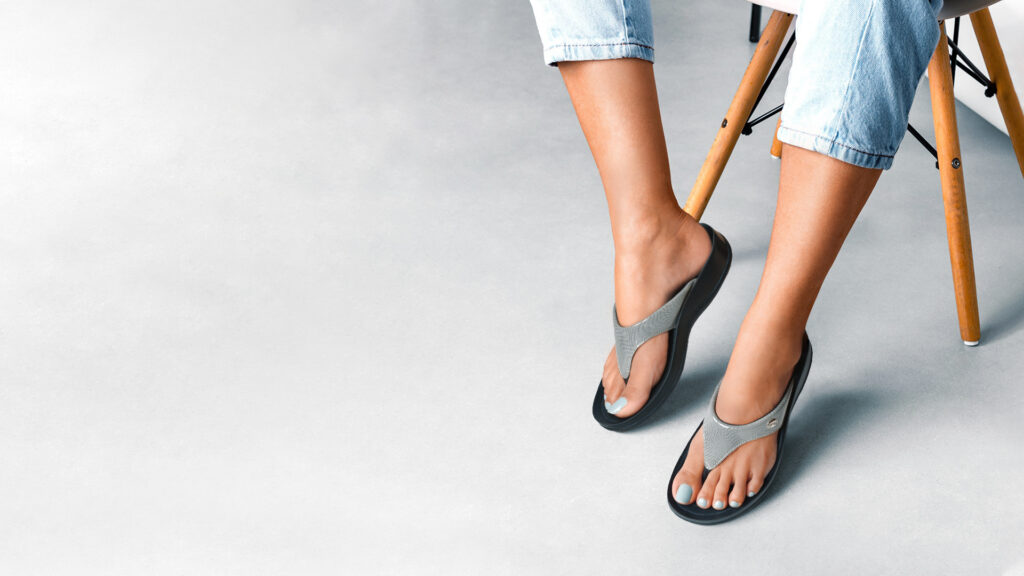
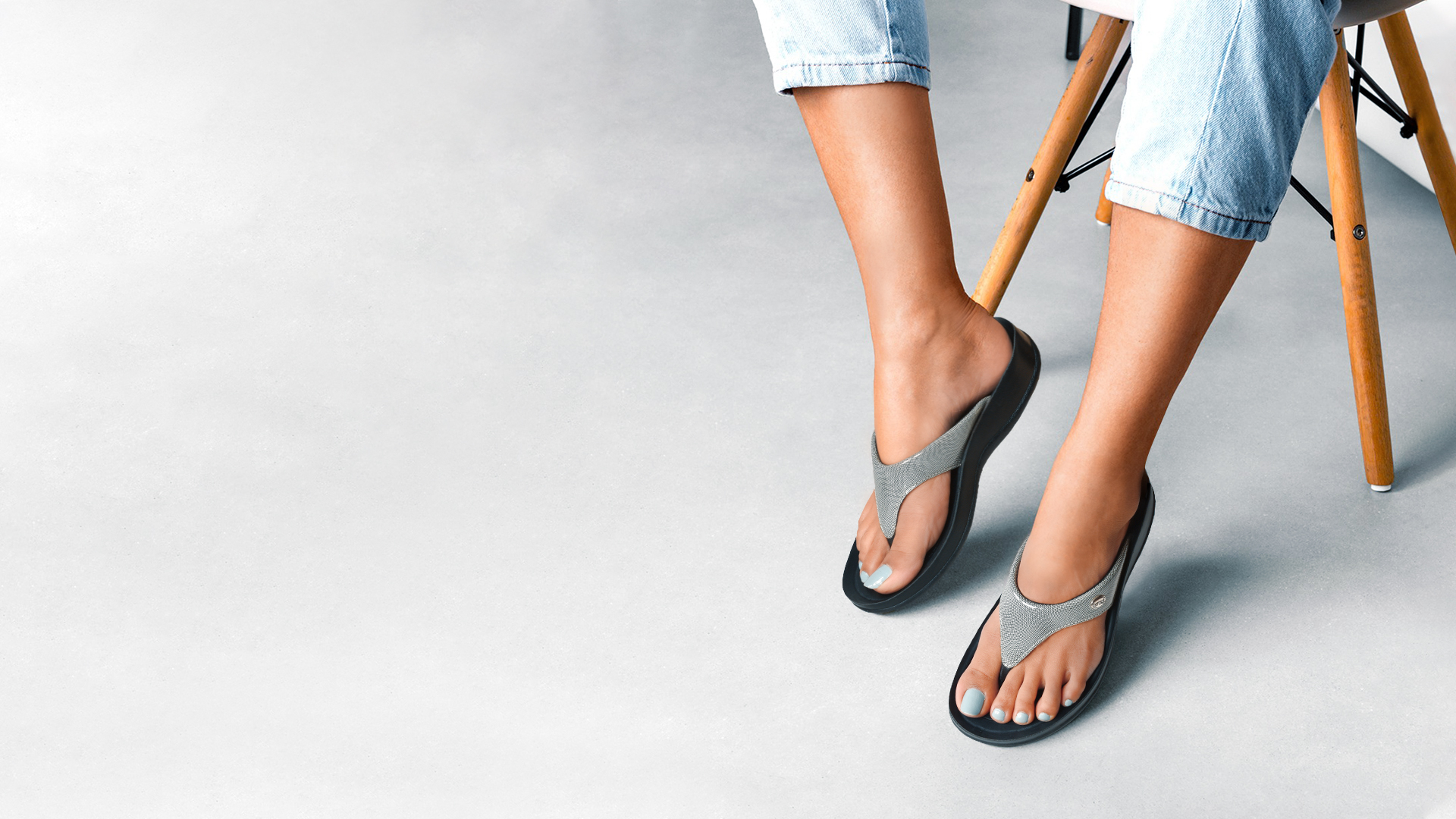
Shoes that stabilize the arch and promote proper alignment can enhance ground contact and balance. Arch support sandals may help distribute pressure evenly and improve foot stability during daily activities.
Maintaining Confidence and Mobility
Aging affects balance through muscle weakening, sensory changes, and structural shifts. While these changes are natural, proactive habits can significantly reduce fall risk and improve stability.
By strengthening key muscles, supporting foot alignment, and staying active, you can maintain confidence in your movement and preserve long-term independence.