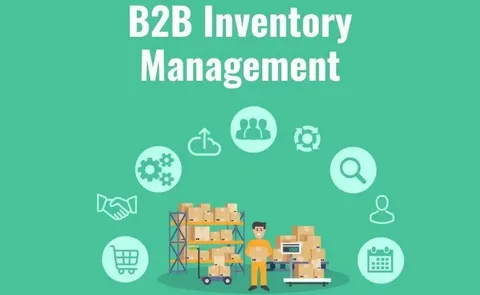
In today’s competitive business landscape, efficiency in order fulfillment and inventory management is essential for success. Manual processes can be slow, error-prone, and resource-intensive, leading to delayed shipments, stock discrepancies, and dissatisfied customers. Automation has emerged as a transformative solution, enabling businesses to streamline operations, reduce errors, and maintain accurate stock levels. By leveraging automated systems, companies can optimize workflows, improve productivity, and deliver superior customer experiences.
Understanding Automation in Supply Chain Operations
Automation in supply chain operations involves using technology to handle repetitive and time-consuming tasks in inventory and order management. This includes software solutions, robotics, and smart systems that automate processes such as order processing, stock tracking, and reporting.
Implementing b2b inventory management software allows businesses to digitize their workflows, providing real-time visibility into stock levels, order status, and warehouse operations. Unlike traditional manual methods, automated systems reduce human error, speed up processes, and ensure consistency across the supply chain. Companies can track orders accurately, monitor inventory movement, and maintain up-to-date records without relying on labor-intensive methods.
The benefits of automation extend beyond efficiency. It enhances accuracy, improves decision-making, and frees up staff to focus on higher-value tasks, such as strategy, customer service, and supplier relationship management.
Streamlining Order Fulfillment Through Automation
Order fulfillment is a critical component of the supply chain, encompassing everything from receiving orders to picking, packing, and shipping products. Automation transforms this process by reducing delays and ensuring accuracy at every stage.
Automated order workflows can instantly verify stock availability, generate packing lists, and update customers with tracking information. Warehouse management systems equipped with robotics and barcode scanning streamline picking and packing, minimizing errors and accelerating fulfillment times.
Businesses using automated systems report significant improvements in processing speed and accuracy. Faster fulfillment not only enhances customer satisfaction but also allows companies to handle larger volumes of orders without increasing labor costs.
By integrating b2b inventory management software into fulfillment processes, businesses can centralize control over inventory and orders. The system automatically updates stock levels as orders are processed, reducing the risk of overselling or stockouts and ensuring timely delivery to customers.
Improving Stock Control and Inventory Accuracy
Accurate inventory management is crucial for preventing stockouts, overstocking, and financial losses. Automation enables real-time monitoring of stock levels, movements, and trends, giving businesses complete visibility into their inventory.
Predictive analytics, combined with automated systems, allows companies to forecast demand, plan replenishment, and optimize inventory allocation across multiple warehouses. This proactive approach prevents excess stock accumulation and ensures that high-demand products are always available.
The use of b2b inventory management software in this context further enhances control. Automated alerts notify managers of low stock, reorder points, and discrepancies, reducing reliance on manual checks. This ensures that inventory records are always accurate, supporting smarter purchasing decisions and maintaining operational efficiency.
Integration with Other Business Systems
Automation is most effective when integrated with other business systems, such as enterprise resource planning (ERP), sales platforms, and procurement tools. Integration allows data to flow seamlessly between departments, providing a comprehensive view of orders, stock levels, and financials.
Centralized data ensures that teams are aligned, reduces the risk of miscommunication, and supports informed decision-making. For example, sales teams can access real-time stock information to provide accurate delivery estimates, while procurement teams can automatically trigger replenishment orders based on current inventory levels.
This level of connectivity enhances supplier coordination, accelerates fulfillment, and provides management with actionable insights to optimize the entire supply chain.
Cost Savings and Operational Efficiency
One of the most significant benefits of automation is cost reduction. By minimizing manual labor and reducing errors, businesses can lower operational costs while improving productivity. Automated workflows also optimize warehouse space, streamline packing processes, and reduce time spent on repetitive tasks.
Faster and more accurate order fulfillment leads to higher customer satisfaction, which in turn drives repeat business and strengthens brand reputation. Additionally, automation allows businesses to scale operations without proportionally increasing labor costs, enabling them to handle higher order volumes efficiently.
Overcoming Implementation Challenges
While automation offers numerous benefits, implementing automated systems can present challenges. Initial investment costs, employee training, and change management are key considerations. Staff may be resistant to adopting new technologies, so businesses should prioritize proper training and demonstrate the advantages of automation.
Data security and system reliability are also critical. Automated systems must be secure, regularly updated, and integrated with existing workflows to prevent disruptions. Addressing these challenges proactively ensures a smoother transition and maximizes the return on investment.
Future Trends in Automated Order Fulfillment and Inventory Management
The future of automated supply chain operations is increasingly driven by advanced technologies. Artificial intelligence (AI), machine learning, and the Internet of Things (IoT) are enabling predictive stock management, real-time tracking, and intelligent replenishment systems.
Cloud-based platforms and mobile solutions allow teams to manage inventory and orders remotely, providing flexibility and continuous oversight. As businesses grow and order volumes increase, these technologies will become essential for maintaining efficiency and meeting customer expectations.
Companies that invest in automation today are positioning themselves for scalable, resilient, and cost-effective operations in the future.
Conclusion
Automation is revolutionizing order fulfillment and stock control, delivering benefits such as increased accuracy, efficiency, cost savings, and improved customer satisfaction. By leveraging modern tools like b2b inventory management software, businesses can centralize operations, reduce errors, and maintain real-time visibility into stock levels and orders.
Integrating automation with other business systems, streamlining workflows, and adopting predictive analytics ensures that companies remain competitive in a fast-paced marketplace. Businesses that embrace these strategies can optimize their supply chains, improve operational performance, and build stronger relationships with customers and suppliers alike.