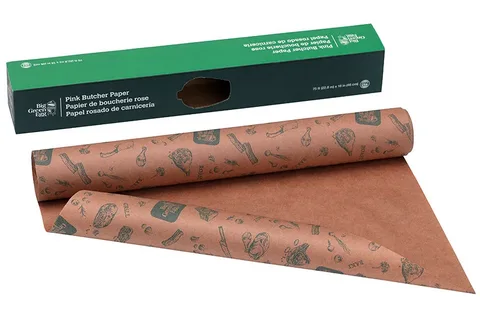
Keeping steak juicy starts before cooking. Choosing the right cut is important because steaks with fat inside stay moist while cooking. Let the steak rest at room temperature for 30 minutes for even cooking. Salt helps meat stay tender. Salting both sides pulls water and then reabsorbs it, keeping the steak moist. Cooking over medium-high heat locks in juices. Using a thermometer ensures the steak does not overcook. Resting after cooking helps the juices spread inside. Wrapping in meat safe wrapping paper can keep warmth and moisture. Simple steps like this help anyone get a juicy steak every time.
Why Does Meat Temperature Affect Juiciness?
Temperature control keeps the steak moist. Meat straight from the fridge cooks unevenly. Outside can cook too fast while inside stays cold. Let the meat reach room temperature before cooking. Medium heat helps fat and muscle break down slowly. Overcooking squeezes water out. Thermometers help check temperature. Medium-rare steaks cook to 130–135°F. Resting lets juices spread inside. People in the USA or home cooks can follow this method to keep meat juicy.
How Does Marbling Keep Steak Moist?
Marbling is fat in meat. Fat melts while cooking and keeps the steak wet inside. Steaks with more fat stay soft and flavorful. Lean cuts cook faster and can get dry. Cuts like ribeye or strip stay moist when cooked. Small butcher shops use marbling to provide meat that stays wet when served. Wrapping steak in custom kraft paper protects it before cooking and prevents drying. Marbling also improves the appearance of meat on a plate. Knowing which cuts have fat is key for home cooks or businesses to serve steak that stays soft and juicy every time.
Can Resting Meat Make a Difference?
Resting meat after cooking is important. Cutting too soon lets juices escape and meat becomes dry. Waiting 5–10 minutes allows juices to spread inside. Thicker steaks need more time. Resting also lets the surface cool slightly to avoid overcooking. Wrapping in meat safe wrapping paper during resting holds warmth and moisture. Home cooks or restaurants benefit from this step to maintain soft steak. Simple actions like resting make steak tender and flavorful. Ignoring resting can ruin cooking efforts. Proper resting improves taste and texture while keeping the steak juicy and easy to chew.
Why Does Salt Help Steak Stay Juicy?
Salt helps steak stay wet while adding flavor. Salt pulls water and protein out at first. After time water returns and seasons meat inside. Salt strengthens meat structure and prevents juice from escaping during cooking. Using a moderate amount works best. Fine salt spreads evenly. Many kitchens use this step to keep the steak soft. Home cooks and small restaurants can follow salt timing to improve meat quality. Salt combined with proper cooking and resting ensures the steak remains soft and wet. This simple step has a big effect on taste and juiciness for any steak preparation.
How Does Cutting Against Grain Keep Juiciness?
Slicing steak correctly affects texture. Cutting against grain shortens fibers and makes chewing easier. Cutting along grain leaves long fibers making meat tough. Proper slicing keeps juices inside. Restaurants or home cooks serving pre-sliced meat can follow this trick. Wrapping in printed butcher paper after slicing protects juices. This simple method keeps steak soft and moist for serving. Even a properly cooked steak loses appeal if sliced incorrectly. Correct slicing ensures maximum tenderness and wetness, making steak enjoyable to eat every time regardless of cut or cooking method.
Can Resting With Paper Keep Steak Soft?
Paper helps the steak retain moisture while resting. Wrapping in meat safe wrapping paper keeps heat and juice close to meat. Paper allows airflow to prevent wet crust formation. Chefs use paper when serving multiple dishes to keep the steak tender. Home cooks can use this method to hold warmth and juice.
Many food business owners prefer WaxPapersHub for serving the meat with better presentation. Restaurants benefit from paper resting to maintain meat quality. Simple paper wrapping keeps the steak soft, wet and ready to serve. Using this step ensures juices stay inside while cooling slightly. Paper resting is easy and effective for maintaining juiciness in all types of steak.
How Can You Store Steak to Keep It Moist?
Storage affects the steak before cooking. Keep meat cold but not frozen unless stored for a long time. Wrapping in meat safe wrapping paper prevents air exposure and stops drying. Plastic traps moisture unevenly. Paper allows the steak to breathe while keeping safe. Proper storage keeps fat intact for juicy cooking results. Home cooks or restaurants can use this method to store steak ready for cooking. Paper makes handling easier and preserves moisture. Following simple steps for storage ensures meat stays soft, wet and ready for cooking anytime. Correct storage supports tenderness and overall quality of all cuts.