Selling a scrap or unwanted car in Sydney is a common need for many vehicle owners. Some vehicles reach a point where repairs are no longer practical, while others simply sit unused for long periods. Cash For Cars NSW has created a process that allows Sydney residents to sell these vehicles without delays or confusion. This guide explains how the company buys scrap and unwanted cars, what steps are involved, and what sellers can expect at each stage.
Understanding Scrap and Unwanted Cars in Sydney
A scrap or unwanted car can be any vehicle that is no longer fit for the road or no longer useful to its owner. Common reasons for selling include mechanical failure, accident damage, rust issues, or age. In Sydney, a large number of vehicles reach the scrap stage every year due to long daily commutes, coastal climate conditions, and long-term wear.
Many owners choose to sell these vehicles to avoid future registration fees, storage costs, or repair expenses. Cash car removals Sydney nsw provides an option to hand over the vehicle safely while receiving payment on the spot.
Why Sydney Has a Growing Scrap Car Market
Sydney has a consistent demand for scrap car purchases because of the city’s high vehicle ownership rate and the steady turnover of older cars. Climate plays a strong role as well. Cars in coastal suburbs often face corrosion over time due to salty air. Vehicles used for daily travel on crowded city roads also experience stress on engines, brakes, and suspension systems.
As a result, many older cars lose their roadworthy condition earlier than expected. This increases the need for companies that collect such vehicles, recycle metal and parts, and clear space for owners who no longer wish to keep them.
How Cash For Cars NSW Assesses Scrap and Unwanted Cars
When someone contacts Cash For Cars NSW, the first step is a basic evaluation. The company usually asks for details such as the vehicle make, model, year, overall condition, and location. These details help the team understand how much metal, reusable components, or recyclable materials the vehicle may contain.
Key Factors Considered in Assessment
Vehicle age:
Older vehicles usually have fewer usable parts but may still contain recyclable metal.
Make and model:
Certain car models may have higher demand for parts, even if the rest of the vehicle is no longer functional.
Condition of components:
Engines, transmissions, catalytic converters, radiators, and body panels are inspected to determine if they can be reused.
Metal weight:
Scrap metal pricing fluctuates based on market demand, and this influences how scrap cars are evaluated. Steel, aluminum, and copper are some of the most common materials recovered from scrap cars.
Cash For Cars NSW uses these details to estimate the payment offered to the seller.
The Quoting Process
Once the vehicle information is provided, the company offers a quote to the seller. This quote is based on the expected recycling potential of the car. Vehicles with usable parts usually receive higher offers compared to those with only scrap metal value.
The quoting process usually takes only a short time because the information collected allows the team to assess the vehicle accurately. Sydney residents prefer this step because it gives clarity before committing to the sale.
Arranging the Pickup
After the seller accepts the quote, the next step is scheduling the pickup. Sydney covers a large area, so the company arranges collection from many suburbs, including western, inner-city, and coastal regions.
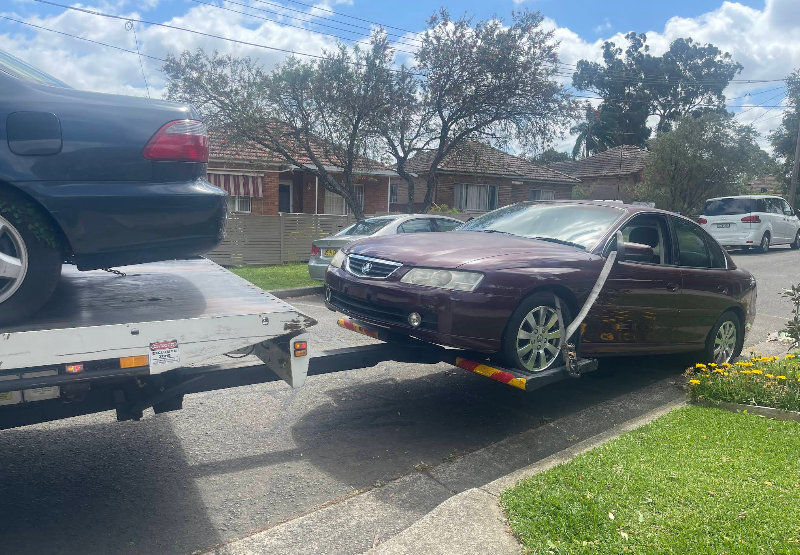
Sellers are free to choose a pickup time that suits their schedule. The tow truck arrives at the location, inspects the vehicle briefly to confirm the details provided earlier, and completes the paperwork.
The seller receives payment during the pickup, and the tow truck transports the car to the recycling facility.
Removing Scrap Cars in Sydney Safely
Car removal requires proper equipment to ensure safety and care for surrounding property. Tow trucks used by Cash For Cars NSW are designed to lift and secure vehicles that may no longer have working wheels, brakes, or steering components.
During the removal process, drivers check the area to avoid damaging driveways, fences, or nearby structures. Many scrap cars leak fluids such as engine oil, coolant, or transmission fluid. The tow team works carefully to avoid spills and ensure the vehicle is lifted with caution.
What Happens After the Car is Collected
After collection, the scrap or unwanted car is transported to a facility where it begins the recycling process. Sydney has strict environmental standards for waste handling, and the company follows these requirements.
Steps Involved After Collection
Fluid draining
All oil, coolant, brake fluid, and fuel are removed safely. These fluids are sent to waste treatment facilities.
Part removal
Usable parts are removed for resale. Items such as mirrors, doors, alternators, tyres, headlights, and battery components may still have use if they remain in fair condition.
Metal processing
The remaining frame is prepared for metal recycling. Steel and aluminium are separated and sent to appropriate metal recycling centres.
Final disposal
Any non-recyclable materials are disposed of in line with local waste rules.
Recycling scrap cars reduces environmental pressure by lowering the amount of metal that must be mined. It also helps reduce waste in Sydney landfills.
Documents Needed to Sell a Scrap or Unwanted Car
Most sellers only need to provide proof of ownership. This is usually the vehicle registration certificate or any document that shows the seller legally owns the car. Identification is also checked to verify the seller.
If the registration is expired, the car can still be sold. Scrap cars do not require roadworthy certificates because they are not being returned to the road.
Common Types of Scrap Cars Sold in Sydney
Cash For Cars NSW buys a wide range of vehicle types, including:
- Old family sedans
- Unwanted utes
- Cars damaged in accidents
- Cars left unused for long periods
- Cars with engine failure
- Flood-damaged vehicles
- Hail-damaged vehicles
- Cars with missing parts
The condition does not matter because each vehicle still contains materials that can be recycled or reused.
Why Many Sydney Residents Choose This Option
Selling a scrap or unwanted car to a specialist company helps avoid multiple challenges. Keeping an unused vehicle on private property can lead to rust, pest problems, and clutter. Public streets do not allow long-term parking of non-working vehicles, so collection becomes necessary.
Paying for towing privately can be expensive, which is why owners often prefer companies that remove the vehicle without any cost to them. Cash For Cars NSW handles this process as part of the service, which makes it easier for sellers to clear space in garages or driveways.
How Scrap Car Recycling Helps Sydney
Scrap car recycling helps by:
- Reducing landfill waste
- Recovering metals that can be reused
- Lowering the energy needed to manufacture new metal
- Minimising environmental impact caused by vehicle waste
Recycled metal from scrap cars may be used in construction, new vehicle manufacturing, household products, and machinery.
Integrating Responsible Car Disposal with Local Services
Many people in Sydney look for a way to remove unwanted cars without complications. This is where cash for unwanted cars Sydney services can play an important role, such as the one provided. The service fits well into the broader process because it allows residents to remove an unused vehicle while also making sure it is handled in a proper recycling facility. It also supports household planning by helping owners clear space, reduce hazards, and ensure the old vehicle does not stay idle for years.
Final Thoughts
Scrap and unwanted cars are a common part of Sydney life. When a vehicle reaches the end of its use, Cash For Cars NSW provides a method to hand it over securely, receive payment, and ensure the vehicle is recycled correctly. With careful assessment, structured pickup, and responsible recycling, the company helps keep Sydney cleaner while offering a practical solution for car owners.