Childhood is a critical period for developing confidence and social skills. Engaging in extracurricular activities can play a significant role in fostering these qualities. Among these activities, dance stands out as a fun, expressive, and physically engaging way for children to grow. Beyond the physical benefits, dance offers numerous opportunities for kids to enhance self-esteem, learn social interaction, and navigate teamwork. This article explores how dance classes contribute to the holistic development of children by boosting confidence and social skills.
The Role of Dance in Building Confidence
Dance challenges children to learn new routines, master steps, and perform them with precision. Each achievement, whether learning a simple move or completing a complex choreography, builds a sense of accomplishment. Participating in performances and recitals allows children to face their fears and gradually overcome stage anxiety.
Enrolling kids in structured programs, such as dance classes Stanhope Gardens, provides consistent opportunities to practice, perform, and celebrate milestones. These experiences foster a positive self-image and self-esteem, giving children the confidence to tackle new challenges both inside and outside the dance studio.
Enhancing Social Skills Through Dance
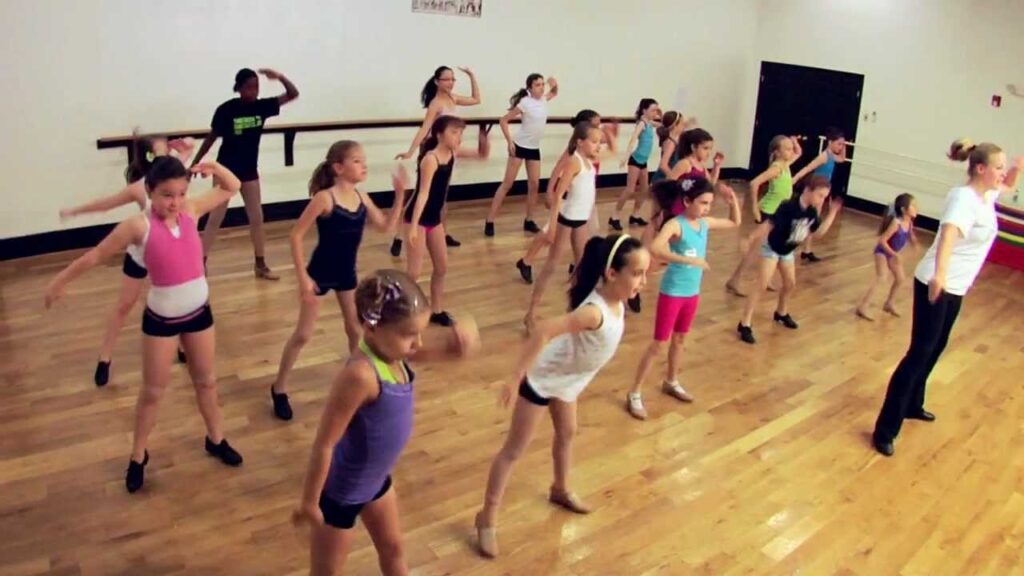
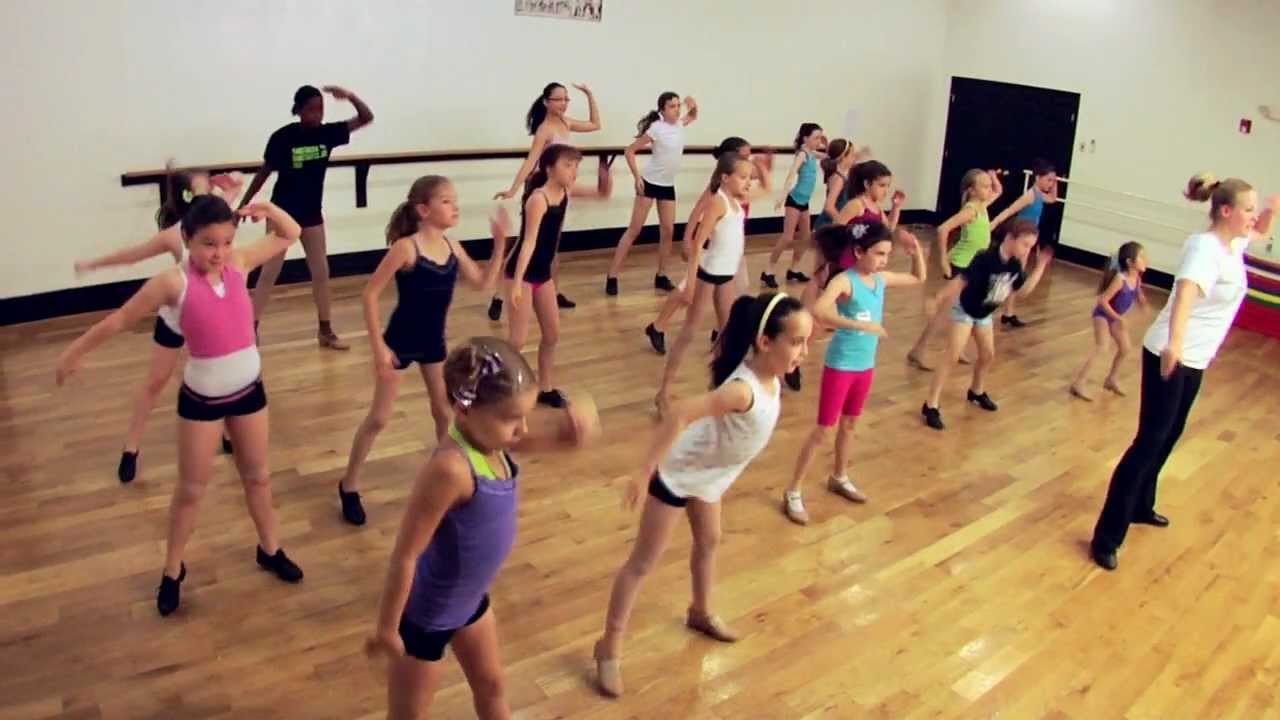
Dance naturally encourages interaction with peers and instructors, making it a perfect setting for social development. Children learn to communicate effectively, follow instructions, and collaborate in group routines. They gain experience working as a team, sharing responsibilities, and supporting each other’s growth.
Partner exercises and group performances teach empathy, patience, and understanding. Children observe and respond to their peers’ movements, learning the value of cooperation and mutual respect. Over time, these interactions improve communication skills, adaptability, and the ability to form meaningful social connections.
The Impact of Group Classes vs. Individual Lessons
Group classes provide children with a social environment where they can develop interpersonal skills through shared experiences. Working in pairs or small groups encourages collaboration, problem-solving, and teamwork. It also helps children feel a sense of belonging and camaraderie.
Individual lessons, on the other hand, allow children to focus on personal growth, master techniques at their own pace, and build confidence in a private setting. Many programs combine both approaches, ensuring children benefit from personalized attention while still enjoying social engagement in group activities.
Dance Recitals and Public Performances
One of the most powerful confidence-building experiences for children is performing in front of an audience. Preparing for a recital or show teaches discipline, time management, and perseverance. Stage performances give children the opportunity to showcase their skills, receive applause, and experience the thrill of accomplishment.
Handling constructive feedback and navigating performance anxiety are valuable lessons learned through these experiences. Participating in public performances multiple times strengthens self-assurance and resilience, encouraging children to embrace new challenges with confidence.
Additional Benefits of Dance for Kids
Dance provides benefits that extend beyond confidence and social skills. Physically, it improves coordination, balance, flexibility, and overall fitness. Mentally, it reduces stress, enhances focus, and encourages self-expression. Creative movement allows children to explore emotions and communicate in ways words often cannot.
Programs like dance classes Stanhope Gardens often combine various dance styles, ensuring children gain exposure to multiple forms of movement. This not only develops versatility and adaptability but also enhances creativity and problem-solving skills in a fun and engaging environment.
Tips for Parents to Support Their Child’s Dance Journey
Parents play a vital role in encouraging children to pursue dance. Supporting practice without pressure, celebrating small milestones, and providing constructive feedback fosters a positive learning experience.
Selecting the right dance program is equally important. Parents should consider their child’s personality, interests, and goals to ensure a comfortable and motivating environment. Participation in consistent, age-appropriate classes helps children gain the full spectrum of confidence, social, and physical benefits that dance has to offer.
Conclusion
Dance classes offer a holistic approach to developing children’s confidence and social skills. From mastering choreography to collaborating with peers, children gain valuable lessons in self-esteem, teamwork, and communication. Regular participation in structured programs, combined with parental support, ensures children benefit physically, mentally, and socially. By embracing dance as a fun and enriching activity, children build resilience, creativity, and lifelong social skills, setting the foundation for success in all areas of life.