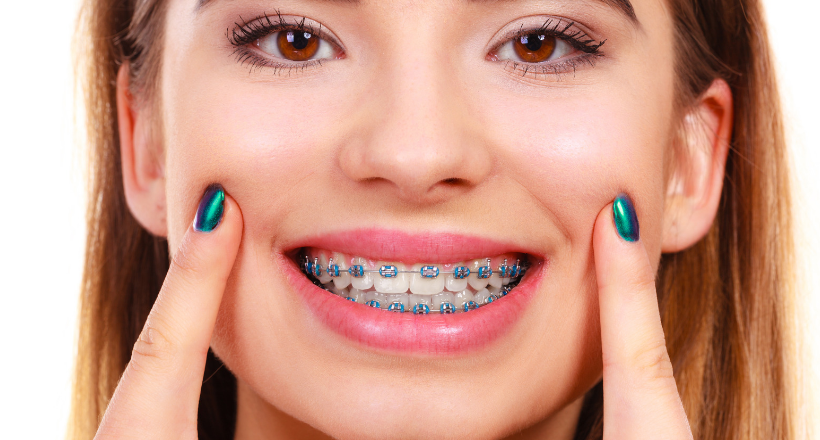
Achieving a beautiful, confident smile is a goal shared by many individuals, and modern orthodontic treatments have made this aspiration attainable for people of all ages. Dental Braces in Abu Dhabi are among the most effective tools used to correct dental irregularities, improve bite function, and enhance overall oral aesthetics. When considering options to straighten teeth and align your smile, understanding how dental braces create a perfect smile is essential. This comprehensive guide explores the role of dental braces, their working mechanism, different types available, and the transformative impact they have on oral health and confidence.
Understanding the Role of Dental Braces
What Are Dental Braces?
Dental braces are orthodontic devices designed to correct misaligned teeth and jaw irregularities. They consist of various components such as brackets, wires, and bands that work together to apply gentle, consistent pressure on teeth. This pressure gradually guides teeth into their proper positions, correcting alignment issues over time. The primary goal of dental braces is to create a harmonious bite and a straight, aesthetically pleasing smile.
How Do Dental Braces Work?
The process begins with the placement of brackets on each tooth, connected by an archwire. The orthodontist adjusts the tension of the wire periodically to ensure continuous, controlled movement of teeth. As the wire exerts pressure, the bone surrounding the teeth remodels to accommodate the new positions, a biological process known as bone remodeling. Over months or years, this systematic movement results in properly aligned teeth, improved bite function, and a more balanced facial appearance.
The Process of Creating a Perfect Smile with Dental Braces
Initial Consultation and Treatment Planning
The journey to a perfect smile starts with a detailed consultation. During this phase, the orthodontist assesses the patient’s dental structure, discusses treatment goals, and creates a personalized plan. Diagnostic tools like X-rays, photographs, and dental impressions are used to analyze teeth positioning and jaw relationships. This comprehensive evaluation helps determine the most suitable type of braces and treatment duration.
Customizing the Braces
Based on the assessment, the orthodontist customizes the braces to suit the patient’s dental anatomy. Modern braces can be tailored with various features such as different bracket sizes, materials, and ligatures to optimize comfort and effectiveness. The customization ensures that each patient’s unique dental needs are addressed, setting the stage for efficient correction.
Bonding and Adjustment Phase
Once the braces are ready, the orthodontist bonds brackets onto each tooth and threads the archwire through them. Periodic appointments are scheduled for adjustments, during which the orthodontist tightens the wires to maintain optimal pressure. These adjustments are crucial for guiding teeth into their desired positions gradually. Throughout this phase, patients may experience some discomfort, but it typically subsides quickly as the teeth adjust.
Monitoring Progress and Final Results
Throughout the treatment, regular monitoring ensures that teeth are moving as planned. The orthodontist may use additional appliances or expanders if necessary. As the teeth approach their ideal positions, the treatment plan transitions toward finishing and retention. The final result is a well-aligned smile with improved function and aesthetics, boosting the patient’s confidence and oral health.
Types of Dental Braces and Their Benefits
Traditional Metal Braces
These are the most common type of braces, made of high-grade stainless steel. They are highly effective for treating complex orthodontic issues and are often more affordable. Metal braces are durable and can be customized with colorful bands, appealing especially to younger patients.
Ceramic Braces
Ceramic braces function similarly to metal braces but are made of tooth-colored or clear materials. They are less noticeable, making them a popular choice for patients seeking a discreet orthodontic solution. Ceramic brackets are more aesthetic but may require more careful maintenance.
Lingual Braces
Lingual braces are placed on the inner surface of the teeth, making them invisible from the outside. They offer a high level of discretion but may require a longer adjustment period and specialized care. Lingual braces are suitable for patients who prioritize aesthetics without compromising treatment efficacy.
Clear Aligners
An alternative to traditional braces, clear aligners are removable, transparent trays that gradually shift teeth into alignment. They are virtually invisible, comfortable, and convenient for maintaining oral hygiene. Clear aligners are ideal for mild to moderate orthodontic corrections.
The Impact of Dental Braces on Oral Health and Confidence
Improving Oral Function
Straightening teeth with dental braces not only enhances appearance but also improves bite function. Properly aligned teeth distribute biting forces evenly, reducing undue stress on specific teeth. This helps prevent issues such as uneven wear, jaw pain, and temporomandibular joint (TMJ) disorders.
Enhancing Oral Hygiene
Misaligned teeth can create hard-to-clean areas that harbor plaque and bacteria, increasing the risk of cavities and gum disease. Dental braces, by correcting alignment, facilitate easier cleaning of teeth and gums, promoting better oral health in the long term.
Boosting Self-Confidence
A straight smile significantly impacts self-esteem and social interactions. Patients often experience increased confidence after completing orthodontic treatment, which positively influences personal and professional relationships. The psychological benefits of a perfect smile are invaluable and lasting.
Post-Treatment Care and Maintenance
Retention Devices
After removing braces, wearing retainers is crucial to maintain the new position of teeth. Retainers prevent teeth from shifting back to their original misalignment, ensuring the longevity of the treatment results.
Good Oral Hygiene Practices
Maintaining excellent oral hygiene is essential during and after orthodontic treatment. Regular brushing, flossing, and dental check-ups help sustain a healthy, beautiful smile. Avoiding foods that can damage braces or stain teeth contributes to optimal outcomes.
Regular Follow-Ups
Continued follow-ups with the orthodontist help monitor stability and address any minor corrections needed. Consistent care ensures that the results of orthodontic treatment are preserved and that the smile remains perfect for years to come.
Conclusion
Creating a perfect smile through dental braces involves a well-structured process that combines personalized treatment planning, precise adjustments, and diligent post-treatment care. Dental braces are a powerful tool in transforming dental irregularities into harmonious, confident smiles that enhance not only appearance but also overall oral health. Whether opting for traditional braces, ceramic options, lingual solutions, or clear aligners, the journey toward a flawless smile is a rewarding experience that culminates in improved self-esteem and long-term oral wellness.
FAQs
What is the typical duration for completing orthodontic treatment with dental braces?
The duration varies based on individual case complexity, but most treatments take between 12 to 24 months.
How do I ensure the longevity of my orthodontic results?
Consistently wearing retainers as advised and maintaining excellent oral hygiene are key to preserving the results.
Are dental braces suitable for adults?
Yes, dental braces are effective for adults as well as children and teenagers, with options like clear aligners offering additional discretion.
Can dental braces correct all types of orthodontic issues?
Most common misalignments and bite problems can be corrected with braces; however, severe cases may require additional orthodontic procedures.