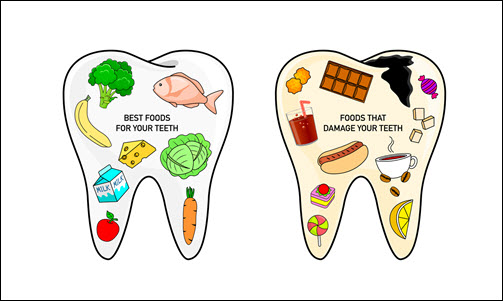
A healthy smile isn’t just about brushing twice a day or visiting your dentist regularly. What you eat plays a major role in the strength, color, and overall condition of your teeth. Many people are surprised to learn that diet can be just as important as daily oral hygiene habits. Certain foods can help protect your enamel, strengthen your gums, and support healthy bacteria in your mouth. On the other hand, some foods accelerate decay, encourage plaque buildup, and stain your teeth over time.
Understanding which foods harm and which foods heal can make a big difference to your long-term oral health. In this guide, we’ll break down how diet impacts your teeth, the best and worst foods for your smile, and simple changes you can start making today.
Why Your Diet Matters for Oral Health
Your mouth is the gateway to your body. Everything you eat interacts with your gums, teeth, and saliva first. Sugars, acids, and carbohydrates can feed harmful bacteria that produce acids and cause decay. Meanwhile, foods rich in minerals, antioxidants, and fibers can support oral health naturally.
A diet that supports your teeth helps maintain:
- Strong enamel
- Healthy gums
- Balanced oral bacteria
- Fresh breath
- Lower risk of cavities
Good nutrition helps the mouth heal faster and fight off infections. Poor nutrition, however, weakens your defenses and increases your chances of dental issues.
The Worst Foods for Your Teeth: What to Limit or Avoid
While you don’t have to eliminate these foods entirely, being aware of how they affect your teeth can help you make better choices.
1. Sugary Snacks and Sweets
Sugar is the biggest culprit behind tooth decay. When you eat sugary foods, the bacteria in your mouth feed on it and produce acids. These acids attack your enamel and lead to cavities.
Examples include:
- Candy
- Cakes and pastries
- Chocolate bars
- Sugary breakfast cereals
Sticky sweets, like caramel or gummy candies, cling to teeth longer, increasing the damage.
2. Acidic Foods and Drinks
Acid softens enamel, making your teeth more vulnerable to decay and sensitivity.
Common acidic culprits:
- Citrus fruits
- Vinegar-based foods
- Sports drinks
- Soda
Acid erosion doesn’t happen overnight, but it builds up slowly. Even healthy acidic foods like oranges can cause enamel wear if consumed excessively.
3. Starchy Snacks
Chips, crackers, and white bread break down into sugars in your mouth. They tend to get stuck between teeth, feeding bacteria and encouraging plaque buildup.
4. Soda and Sweetened Beverages
These drinks are a double threat: they’re high in sugar and acidic at the same time. Regular consumption can stain your teeth and weaken enamel quickly.
Even diet sodas can cause damage due to their acidity, even without sugar.
5. Coffee and Tea
Many people rely on their daily cup of coffee or tea, but these beverages can stain teeth over time. Some varieties are acidic and can contribute to enamel erosion. Sweetened versions worsen the effects.
Foods That Heal: What to Eat for Stronger Teeth
Just as certain foods harm your teeth, others can actually strengthen them and protect your gums. A balanced diet with tooth-friendly foods can make a noticeable difference in your oral health.
1. Dairy Products
Milk, cheese, and yogurt are rich in calcium and phosphorus. These minerals help rebuild enamel and neutralize acids in the mouth. Cheese even increases saliva production, which helps wash away harmful particles.
2. Leafy Greens
Foods like spinach, kale, and lettuce are packed with vitamins and minerals. They strengthen enamel and promote healthy gums without adding sugar or acids to your mouth.
3. Crunchy Fruits and Vegetables
Crunchy produce acts like natural toothbrushes. As you chew, they gently scrub away plaque and increase saliva flow.
Best choices include:
- Apples
- Carrots
- Celery
- Cucumbers
These foods also contain water, which helps rinse the mouth naturally.
4. Nuts and Seeds
Almonds, walnuts, chia seeds, and sesame seeds are high in calcium and beneficial oils. They strengthen enamel and provide essential nutrients that support gum health.
5. Fatty Fish
Salmon, tuna, and mackerel are rich in vitamin D. This vitamin helps your body absorb calcium more effectively, promoting stronger teeth and bones.
6. Green Tea
Unlike sweetened drinks, green tea contains natural compounds that reduce harmful bacteria. It’s a tooth-friendly beverage when consumed without sugar.
How Eating Habits Affect Your Teeth
Diet isn’t just about what you eat but also how and when you eat.
Snacking Too Often
Frequent snacking keeps your mouth in an acidic state. After eating, your saliva needs time to neutralize acids. Snacking constantly means your mouth is always under attack.
Eating Slowly
Sipping sugary drinks or eating sweets over a long period exposes your teeth to prolonged acid attacks.
Night-Time Eating
Saliva production decreases at night. If you eat before bed without brushing, food particles stay on your teeth for hours, increasing your risk of decay.
Hydration: The Silent Hero of Oral Health
Water plays a major role in protecting your teeth. It washes away food particles, dilutes acids, and supports saliva production. Drinking water after meals helps reduce the impact of harmful foods.
Fluoridated water is even better, as fluoride strengthens enamel and makes teeth more resistant to decay.
Understanding Enamel Erosion
Enamel is the hard outer layer of your teeth, but it can’t repair itself once it’s lost. Diet has a direct impact on enamel erosion. Acidic and sugary foods soften enamel, while minerals like calcium and phosphorus help strengthen it.
Signs of enamel erosion include:
- Sensitivity to hot or cold
- Discoloration
- Rough or uneven surfaces
- Transparent edges
If you notice these symptoms, it’s best to consult a professional like a Corio dentist who can guide you with the right treatments and preventive measures.
Simple Diet Tips for Better Oral Health
Here are practical steps you can start today:
1. Drink More Water
Rinse your mouth after meals and stay hydrated throughout the day.
2. Limit Sugary and Acidic Foods
Enjoy sweets occasionally and in small amounts.
3. Eat Tooth-Friendly Snacks
Choose nuts, cheese, or crunchy veggies instead of chips or cookies.
4. Avoid Grazing
Give your mouth time to neutralize acids between meals.
5. Choose Unsweetened Drinks
Switch sugary sodas for water, milk, or unsweetened tea.
6. Include More Calcium and Vitamin D
These nutrients directly help your teeth stay strong.
Foods That Naturally Whiten Teeth
Some foods help lift surface-level stains and brighten your smile.
These include:
- Strawberries (contain malic acid)
- Pineapple (has bromelain, a natural cleanser)
- Broccoli (acts as a stain-resistant barrier)
- Dairy products (balance oral pH)
Although not replacements for professional whitening, these foods can complement your oral care routine.
When Diet Isn’t Enough
Even with the best diet, brushing, flossing, and regular check-ups are essential. Professional cleanings help remove plaque and tartar that daily brushing can’t eliminate.
Consistent dental care ensures:
- Early detection of cavities
- Prevention of gum disease
- Removal of hardened plaque
- Monitoring enamel health
If you’re concerned about sensitivity, stains, or diet-related dental issues, visiting a Dentist Corio can help you address concerns early.
Final Thoughts: Your Smile Reflects What You Eat
Your diet plays a powerful role in shaping your oral health. The foods you choose each day can either strengthen your teeth or weaken them. By being mindful of sugary, acidic, and highly processed foods, and focusing more on fresh produce, dairy, and mineral-rich options, you can maintain a healthier, brighter smile.
Good oral health doesn’t come from brushing alone. It’s a combination of nutrition, habits, and professional care. By understanding which foods harm and which foods heal, you can make smarter choices that protect your teeth for years to come.