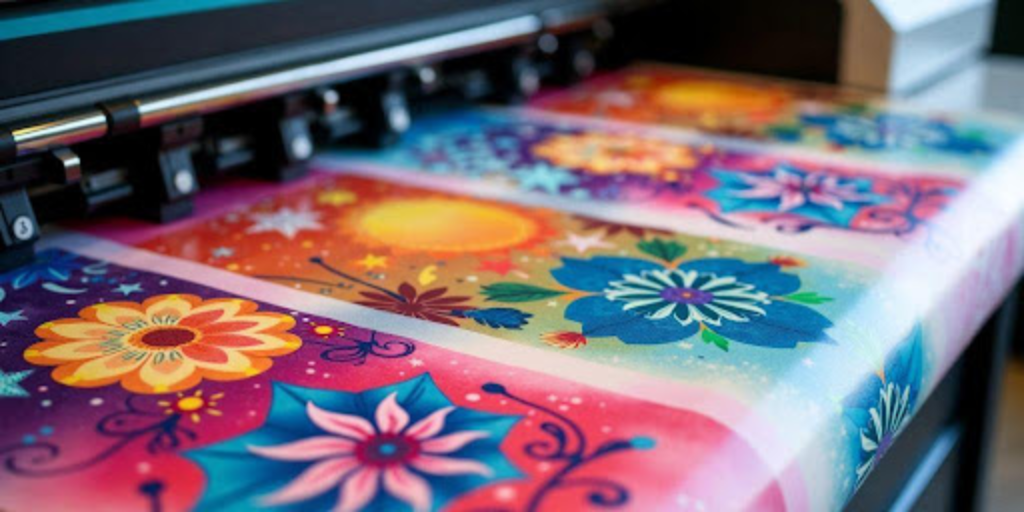
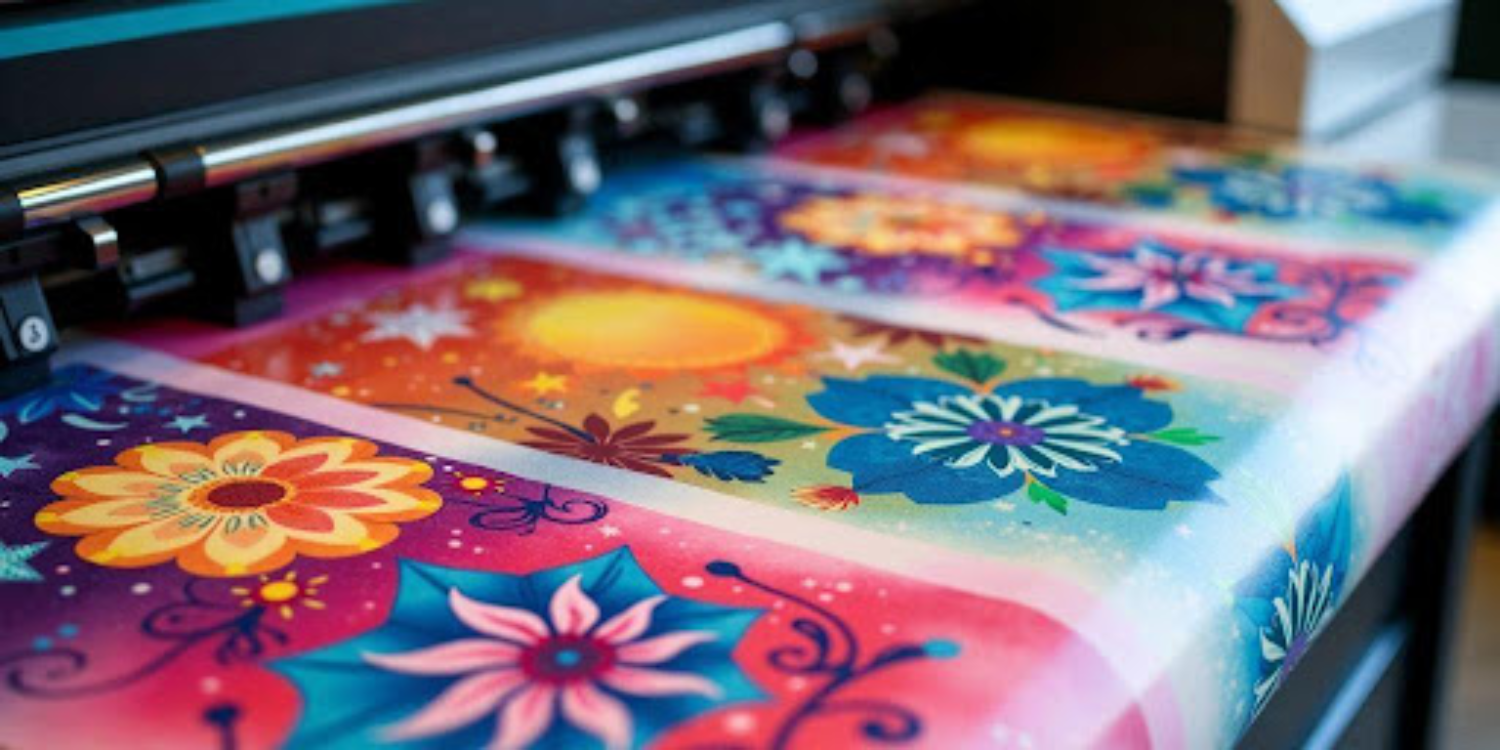
Print techniques define garment appearance, feel, and performance. Methods like Custom DTF Transfers combine detail with longevity, producing vibrant designs that remain flexible and comfortable. Each process interacts differently with fabric fibers, affecting texture, stretch, and durability. Selecting the right printing solution ensures the artwork complements the garment without compromising quality. Understanding these effects allows designers and brands to produce visually appealing apparel that performs well, stands out online, and meets customer expectations while maintaining professional finishes across a wide range of fabric types.
Fabric Response
Different textiles react uniquely to printing. Natural fibers such as cotton absorb ink deeply, producing smooth and even finishes, while synthetic fabrics often need surface bonding techniques to achieve vibrant results. Print weight influences drape, flexibility, and airflow, which affects overall comfort. Using the correct method ensures that the design integrates seamlessly with the garment’s structure. Proper fabric selection combined with the right printing technique maintains softness, stretch, and movement, preventing distortion or stiffness while providing a professional appearance that enhances perceived quality in both physical and online stores.
Ink Absorption
Ink absorption directly impacts the vibrancy, flexibility, and longevity of a printed design. Techniques that allow pigments to penetrate fibers preserve softness and reduce surface stiffness, keeping the garment comfortable. Methods where ink sits on the surface create bold visuals but may alter hand feel. Balancing color brilliance with fabric interaction ensures premium aesthetics and usability. High-quality ink management enhances wash resistance and prevents cracking or fading. Understanding the absorption characteristics of both ink and fabric allows designers to maintain consistent results and produce long-lasting garments that retain appeal over repeated wear and laundering.
Surface Texture
Printing changes how a garment feels and looks. Lightweight applications maintain breathability and smooth surfaces, while thicker layers produce raised, textured, or rubberized effects. These differences affect comfort, airflow, and tactile perception. Designers can use texture strategically to add depth and visual interest without compromising functionality. Excessive layering can reduce flexibility, making garments less wearable. Proper control of surface effects improves customer satisfaction, especially in online retail, where visual representation and perceived quality are critical. Smart texture choices help brands create distinctive, memorable designs that resonate with consumers.
Durability
Durable prints maintain design integrity across repeated washes and extended use. Techniques that bond strongly with fabric prevent cracking, fading, or peeling, preserving visual appeal. Even stress distribution across printed areas protects both artwork and textile. This reliability is especially important for activewear and frequently washed garments. Selecting methods with high durability reduces returns and strengthens brand reputation. Consistent performance ensures that customers receive products that last, increasing trust and repeat purchases, which is essential for online stores where quality perception drives conversions and customer loyalty.
Color Performance
Color vibrancy varies depending on fabric type and printing technique. Some methods produce sharp, high-contrast visuals, while others create softer, vintage-style tones. Base garment color affects brightness, depth, and consistency. Maintaining uniformity across batches is essential for brand recognition. Techniques that optimize pigment absorption and prevent fading ensure that colors remain true after washing and exposure. Consistent color performance improves perceived product quality, builds customer confidence, and helps garments stand out in competitive online marketplaces, enhancing sales and creating a cohesive visual identity across collections.
Style Versatility
Modern apparel demands versatile printing methods. Techniques must handle small logos, intricate designs, full-front artwork, and experimental placements. Flexibility allows smooth transitions between casualwear, sportswear, and promotional items without compromising fabric integrity. Designers can experiment with scale, layering, and visual effects, ensuring garments remain comfortable and wearable. Versatile printing also enables quick adaptation to trends, helping brands maintain relevance in online markets. Selecting methods that accommodate diverse styles allows businesses to expand product lines while maintaining quality, consistency, and strong aesthetic appeal for consumers.
Method Comparison
-
Screen printing: Offers bold coverage and excellent durability for bulk production.
-
Direct-to-garment: Supports high-resolution, multi-color designs with a soft hand feel.
-
Heat transfer: Delivers precision and speed, ideal for custom or limited orders.
-
Sublimation: Best for polyester, providing vibrant, fade-resistant prints.
-
Hybrid techniques: Combine methods to enhance texture, stretch, and visual depth.
Weight and Comfort
Print weight affects how a garment moves and feels. Heavy applications can reduce airflow, create pressure points, or alter drape, especially in fitted clothing. Lightweight prints maintain natural movement, breathability, and flexibility, making them ideal for summer or performance wear. Balancing print visibility with comfort ensures garments remain wearable and satisfying. Prioritizing wearer comfort enhances customer perception and increases online reviews and repeat purchases. Brands that consider both aesthetics and tactile experience gain a competitive advantage in digital marketplaces where touch and feel cannot be assessed directly.
Wash Behavior
Printing durability depends on repeated washing performance. Pre-treatment, ink composition, and curing temperatures determine whether a design maintains color, flexibility, and shape. High-quality methods prevent cracking, peeling, and fading, ensuring garments stay visually appealing and comfortable. Mismatched techniques may cause distortion or stiffness, lowering perceived value. Evaluating wash behavior allows brands to select appropriate methods for specific fabrics and use cases, reducing returns and increasing customer satisfaction. Reliable washing performance reinforces brand trust, particularly for online buyers relying on product imagery for purchase decisions.
Design Precision
Fine details, gradients, and photographic elements require high-resolution printing. Precision allows sharp edges and clear patterns, enhancing professional presentation and storytelling. Some methods excel at intricate designs, while others suit bold, graphic elements. Matching technique to design complexity ensures consistent quality and visual impact. Accurate reproduction also improves online conversion, as potential buyers value clear, detailed representations. High-precision printing supports brand differentiation by translating creative concepts into wearable art without sacrificing garment quality or user comfort.
Sustainability Impact
Environmental considerations influence printing choice. Water usage, ink composition, and energy consumption vary across methods. Techniques that minimize waste and resource use appeal to eco-conscious consumers while reducing production costs. Sustainable printing supports corporate responsibility, strengthens brand reputation, and attracts buyers seeking ethically produced apparel. Choosing methods that reduce environmental footprint ensures garments are both commercially viable and socially responsible. Brands demonstrating commitment to sustainability can gain a competitive edge, building loyalty among environmentally aware customers in a growing online fashion market.
Production Efficiency
Turnaround time and scalability affect how quickly brands can meet demand. Bulk methods lower per-unit costs, while on-demand processes support customization. Efficient workflows reduce waste and maintain fabric integrity. Selecting appropriate printing methods enables rapid response to trends without compromising quality, ensuring timely delivery and consistent output. Production efficiency enhances profitability and online competitiveness, allowing brands to meet seasonal demand or special campaigns. Streamlined processes improve resource allocation, minimize delays, and support sustainable, scalable operations for apparel businesses of all sizes.
Market Appeal
Visual and tactile qualities directly impact consumer perception of value. Soft finishes, vivid colors, and durable prints create a premium experience. Innovative textures and layered effects differentiate garments in crowded online marketplaces. Aligning print methods with customer expectations boosts perceived quality, encourages repeat purchases, and strengthens brand loyalty. Unique designs with high tactile appeal increase engagement and conversion rates. By carefully selecting printing techniques, brands can elevate the overall product experience, making garments visually striking and comfortable, while fostering trust and long-term growth in competitive e-commerce environments.
Conclusion
Print techniques determine how garments perform, feel, and endure. From DTF Transfers to sublimation and hybrid methods, each process has distinct benefits. Understanding fabric behavior, ink absorption, surface texture, and durability allows designers to select methods that maximize visual impact while maintaining wearability. Effective technique selection supports color consistency, comfort, and long-term performance. Brands that invest in proper printing methods produce apparel that meets customer expectations, stands out in online marketplaces, and strengthens brand reputation, ultimately contributing to sustainable growth and consumer satisfaction.
FAQs
Why choose DTF Transfers for online clothing sales?
DTF Transfers deliver vibrant, detailed prints with flexible hand feel, ensuring garments remain comfortable and visually appealing.
Which printing method suits polyester fabrics best?
Sublimation produces bright, fade-resistant results on polyester without compromising fabric texture or comfort.
How does print weight influence comfort?
Heavier prints can restrict airflow and movement, while lightweight techniques preserve natural drape and wearability.
Can printed garments withstand repeated washing?
High-quality printing methods maintain color, flexibility, and design integrity after multiple washes.
How does sustainable printing benefit brands?
Eco-friendly techniques reduce resource consumption, enhance reputation, and attract environmentally conscious consumers.