Solvents are an essential part of many industrial processes. They play a crucial role in cleaning, chemical manufacturing, coatings, pharmaceuticals, and many other industries. Understanding how solvents work and their applications can help businesses improve efficiency, maintain quality, and reduce waste.
In this article, we will explore the working of solvents, their types, industrial uses, safety considerations, and why they are important for modern manufacturing and production.
What Are Solvents?
Solvents are substances, usually liquids, that can dissolve other materials without changing their chemical structure. In simpler terms, a solvent can break down, mix, or dilute a material to make it easier to work with.
For example, water is a common solvent that can dissolve sugar or salt. In industrial applications, specialized solvents are used to dissolve paints, resins, oils, and other chemicals.
Types of Solvents
Solvents can be broadly classified into two categories:
1. Organic Solvents
Organic solvents are made from carbon-based compounds. They are widely used in industrial processes because of their effectiveness in dissolving oils, fats, resins, and polymers. Common examples include acetone, ethanol, toluene, and xylene.
2. Inorganic Solvents
Inorganic solvents are not carbon-based. Water is the most common inorganic solvent, and others include ammonia and certain acids. These solvents are often used in processes like cleaning, chemical reactions, and metal processing.
Key Features of Industrial Solvents
Industrial solvents are chosen based on several important characteristics:
-
Solubility: The ability to dissolve specific materials efficiently.
-
Volatility: How quickly the solvent evaporates, which affects drying and curing times.
-
Chemical Stability: Resistance to reacting with the materials being processed.
-
Safety: Non-toxic and safe handling properties when possible.
-
Environmental Impact: Preference for eco-friendly or biodegradable solvents to reduce pollution.
How Do Solvents Work in Industrial Applications?
Solvents work by breaking down or dissolving materials, making them easier to process, apply, or remove. Here are the main ways solvents are used in industries:
1. Cleaning and Degreasing
Solvents are widely used to clean machinery, tools, and surfaces. They dissolve oils, grease, and other contaminants, leaving surfaces clean and ready for production. For example, in the automotive industry, solvents are used to remove grease from metal parts before painting or coating.
2. Paints, Coatings, and Adhesives
Solvents help dissolve resins and pigments in paints and coatings. They make the mixture smooth and easy to apply. Once applied, the solvent evaporates, leaving a solid coating or adhesive behind. This ensures uniform coverage and strong bonding.
3. Chemical Manufacturing
In chemical processes, solvents act as carriers, reactants, or mediums for reactions. They allow chemicals to mix uniformly, control reaction rates, and dissolve products for further processing. Solvents are critical in pharmaceuticals, plastics, and fine chemicals production.
4. Extraction and Separation
Solvents are used to extract valuable components from raw materials. For example, in the food and beverage industry, solvents help extract oils, flavors, or medicinal compounds. Similarly, in oil refining, solvents separate different hydrocarbon fractions.
5. Polymer and Plastic Production
Solvents dissolve polymers to create films, coatings, or molded products. They help achieve the desired consistency and shape before the material solidifies.
6. Metal Cleaning and Surface Treatment
In metal processing industries, solvents are used to clean metals and prepare surfaces for plating, painting, or welding. They remove oxides, oils, and other residues that can affect quality.
Benefits of Using Solvents in Industrial Applications
Using solvents in industries brings several advantages:
1. Improved Efficiency
Solvents make materials easier to work with, reducing processing time and effort. This increases overall production efficiency.
2. Better Product Quality
Solvents ensure smooth mixing, uniform coating, and effective cleaning, which improves the quality of the final product.
3. Versatility
Different solvents can be used for various applications, from cleaning and extraction to chemical reactions and coatings.
4. Cost-Effectiveness
By dissolving or processing materials more effectively, solvents reduce waste and improve material usage, saving costs.
5. Environmental and Safety Considerations
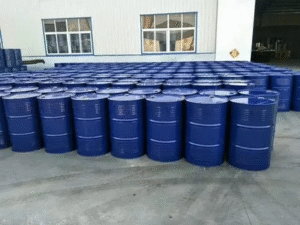
While solvents are essential, they can also pose safety and environmental risks. Many organic solvents are flammable, toxic, or harmful if inhaled or absorbed through the skin.
Industries take several measures to manage these risks:
-
Using proper storage containers and ventilation systems.
-
Employing personal protective equipment (PPE) for workers.
-
Choosing eco-friendly or water-based solvents where possible.
-
Implementing solvent recovery systems to reduce waste and environmental impact.
Applications Across Industries
Solvents are used in a wide range of industries:
-
Automotive: Cleaning, degreasing, and painting parts.
-
Pharmaceuticals: Extraction, formulation, and chemical reactions.
-
Electronics: Cleaning circuit boards and components.
-
Food and Beverage: Extraction of flavors, oils, and medicinal compounds.
-
Paint and Coatings: Dissolving resins, pigments, and adhesives.
-
Metalworking: Cleaning, polishing, and surface treatment.
Future Trends in Industrial Solvent Use
Industries are moving towards safer, eco-friendly, and more efficient solvents. Innovations include:
-
Biodegradable and Water-Based Solvents: Reducing environmental impact.
-
Solvent Recovery and Recycling Systems: Saving costs and reducing waste.
-
Low-VOC (Volatile Organic Compounds) Solvents: Minimizing air pollution and health risks.
-
Advanced Formulations: Tailored solvents for specific industrial applications.
Conclusion
Solvents play a vital role in industrial applications. They help dissolve, clean, mix, and process materials, ensuring high efficiency, product quality, and consistent results. From cleaning and degreasing to chemical manufacturing and coatings, solvents are an indispensable part of modern industry.
Understanding how solvents work, their types, benefits, and proper handling ensures safer, more efficient, and environmentally responsible production. As industries continue to innovate, solvents will remain essential tools for achieving precision, quality, and productivity in manufacturing and industrial operations.
By choosing the right solvents, following safety guidelines, and adopting eco-friendly practices, businesses can maximize efficiency, reduce costs, and maintain high standards across all industrial applications.
For more insightful articles related to this topic, feel free to visit: newsglo.com