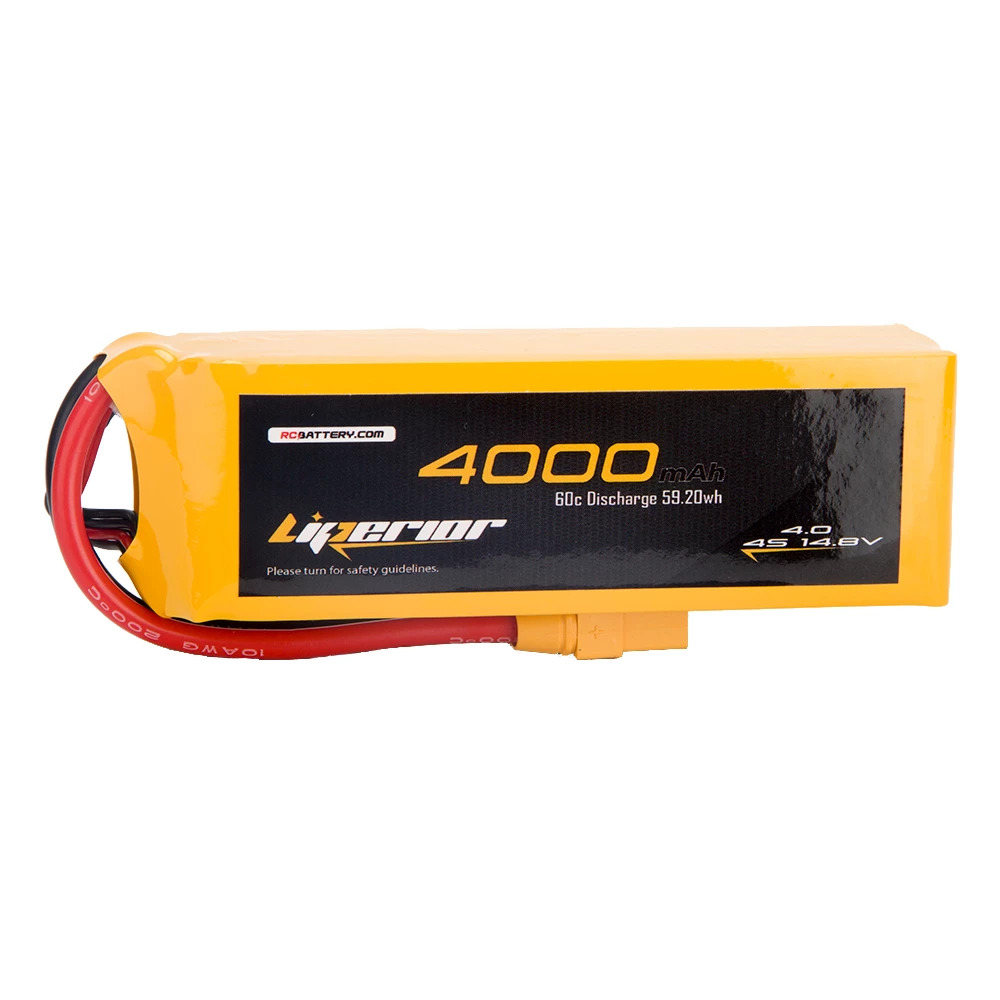
LiPo batteries power everything from drones and FPV quads to RC cars, airplanes, robots, and high-performance electronics. Their high discharge rate and lightweight structure make them the top choice for hobbyists and professionals. But as useful as LiPos are, they also require careful handling—especially when it comes to charging. One of the most important maintenance steps you can take is balance charging.
Balance charging ensures that every individual cell in a multi-cell LiPo battery pack reaches the exact same voltage. This simple process drastically improves battery performance, prevents dangerous overcharging, and extends battery lifespan.
In this article, you’ll learn what balance charging is, why it’s crucial, and how to do it safely—following easy, step-by-step instructions.
What Is a LiPo Battery and How Does It Work?
LiPo Chemistry in Simple Terms
A LiPo (Lithium Polymer) battery is made up of multiple flat cells filled with lithium-based electrolyte. Each cell has a nominal voltage of 3.7V, fully charged at 4.2V, and should never drop below 3.0V.
LiPos are preferred because they:
-
Deliver high current
-
Are lightweight
-
Charge quickly
-
Provide consistent voltage under load
Why Do LiPo Cells Go Out of Balance?
Even though cells are packaged together in one battery, they never age or discharge evenly. Over time, differences appear due to:
-
Usage habits
-
Temperature
-
Manufacturing tolerances
-
Internal resistance changes
This leads to cell imbalance, a dangerous condition where some cells overcharge or undercharge compared to others.
What Does Balance Charging Mean?
Balance charging ensures each cell inside a LiPo pack reaches the same voltage during the charging process. This is done using a balance charger, which uses two connections:
-
Main leads (for power)
-
Balance leads (for reading each cell’s voltage)
The charger monitors individual cell voltages and adjusts them until they match perfectly.
Balance Charging vs. Normal Charging
| Feature | Normal Charge | Balance Charge |
|---|---|---|
| Cell Monitoring | No | Yes |
| Safety | Moderate | Highest |
| Accuracy | Low | Very High |
| Recommended For | Low-risk, single-cell LiPos | All multi-cell LiPos |
Normal charging bypasses cell-level monitoring, making it riskier and less precise.
Why Balance Charging a LiPo Battery Is So Important
1. Safety
Unbalanced cells can overcharge easily. One overcharged LiPo cell can heat up, swell, and cause thermal runaway—leading to fire.
Balance charging:
-
Prevents over-voltage on any cell
-
Reduces swelling (puffing)
-
Ensures safe termination of charging
2. Better Performance
Balanced LiPos offer:
-
Higher voltage output
-
Consistent power delivery
-
Better acceleration/punch in RC vehicles
-
Longer flight times in drones
3. Longer Battery Life
Balanced cells age more evenly. This improves overall battery health and prevents early pack failure.
Step-by-Step Guide: How to Balance Charge a LiPo Battery
Step 1: Inspect the Battery
Before charging, always check for:
-
Puffing or swelling
-
Tears or punctures
-
Hot spots
-
Damaged connectors
If any damage is found, do not charge the battery.
Step 2: Connect the Main Leads
Plug the main connector (XT60, EC3, Deans, JST, etc.) into the charger’s output port.
Check polarity:
-
Red = positive
-
Black = negative
Step 3: Connect the Balance Lead
Plug the small balance connector (2S/3S/4S/6S) into the balance port.
Ensure correct alignment—incorrect insertion may damage the charger.
Step 4: Set Up the Charger
On the charger:
-
Select LiPo
-
Choose Balance Charge
-
Set cell count (auto-detect + manual confirmation)
-
Set charge rate (C-rate)
What Is C-rate?
C-rate = battery capacity
Example:
2200mAh battery → 2.2A charging at 1C.
1C is safest for battery health.
Step 5: Begin Charging
Start the process. The charger will:
-
Charge the battery normally
-
Balance each cell near the end
-
Slow down to ensure precision
Expect slower charging if cells are heavily unbalanced.
Step 6: Monitor the Battery
Important safety guidelines:
-
Do not leave it unattended
-
Keep it on a fireproof surface
-
Use a LiPo safe bag
-
Ensure good ventilation
Step 7: Disconnect and Store Safely
Once charging is complete:
-
Allow the battery to cool
-
Store it at 3.7–3.85V per cell if you’re not using it immediately
-
Use a metal or fireproof storage box
Tools You Need for Balance Charging
1. A Reliable Balance Charger
Examples:
-
iCharger
-
ISDT
-
HOTA
-
SkyRC
2. A LiPo Safe Bag
Contains fire in case of failure.
3. Voltage Checker / Cell Checker
Useful for quick voltage inspections.
4. Parallel Charging Board (Advanced Users Only)
Allows charging multiple packs—but only if they’re at similar voltages.
When Should You Balance Charge a LiPo?
You should balance charge:
-
Every time you charge a multi-cell LiPo
-
After long storage periods
-
When cell voltage difference > 0.03V
-
Before competitions or high-current loads (e.g., FPV races)
If your charger shows significant variation between cells each cycle, your battery might be degrading.
Common Mistakes to Avoid When Balance Charging
Charging Too Fast
High C-rate charging shortens battery life and increases heat.
Ignoring Voltage Differences
If one cell is significantly higher or lower, charging becomes unsafe.
Using Damaged Balance Leads
Even small cuts cause inaccurate readings.
Choosing the Wrong Mode
Never use:
-
NiMH mode
-
LiFe mode
-
LiPo Fast Charge (unless experienced)
These modes skip balancing or use incorrect voltage profiles.
How Long Does Balance Charging Take?
Charging time depends on:
-
Battery capacity
-
C-rate
-
Charger wattage
-
Cell imbalance
Typical times:
-
2S 5000mAh @ 1C = ~1 hour
-
4S 1500mAh @ 1C = 35–45 minutes
Heavier imbalance = longer charging.
Storage & Maintenance Tips
After Charging
-
Let battery cool
-
Never store at full charge
Long-Term Storage
Best voltage range: 3.7–3.85V/cell
Regular Health Checks
-
Check voltage differences
-
Monitor internal resistance
-
Keep packs clean and dry
LiPo Charging Safety: Do’s and Don’ts
Do’s
-
Always balance charge
-
Store in a fireproof container
-
Keep away from heat sources
-
Use quality chargers
Don’ts
-
Don’t leave it unattended
-
Don’t charge a puffed LiPo
-
Don’t exceed recommended C-rate
-
Don’t place it on a flammable surface
Conclusion
Balance charging is one of the most critical steps in caring for your LiPo batteries. It ensures that each cell reaches the correct voltage, prevents dangerous overcharging, and dramatically improves battery performance and lifespan.
Whether you’re flying FPV drones, racing RC cars, or powering robotics, balance charging keeps your batteries safe and reliable. By following the steps in this guide and avoiding common mistakes, you can enjoy longer-lasting, more stable, and safer battery operation every time.
FAQs
1. Do I need to balance charge every time?
Yes. Balance charging is the safest and most effective way to maintain healthy LiPo cells.
2. What happens if I don’t balance charge a LiPo?
Cells may overcharge or undercharge, leading to swelling, reduced performance, or fire.
3. How often should I check LiPo health?
Before and after every charging cycle. Look for swelling or voltage imbalance.
4. Can I charge a LiPo through the balance port only?
Yes, but only at low current (<1A). Balance port wiring isn’t designed for high loads.
5. What voltage is considered fully charged?
A fully charged LiPo cell reads 4.20V.
6. Is fast charging bad for LiPos?
Fast charging increases heat and accelerates aging. Use 1C unless the manufacturer specifies otherwise.