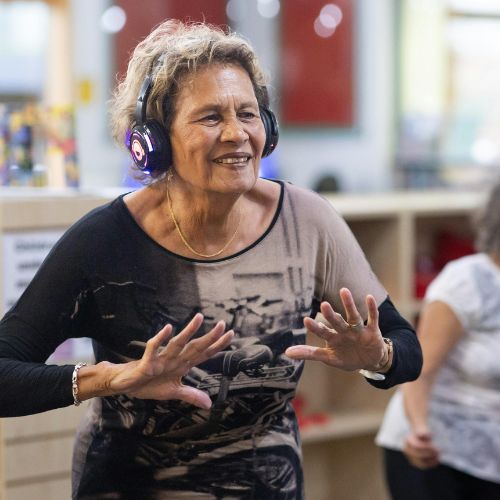
As people age, staying active and socially connected becomes essential for maintaining good health, independence, and overall happiness. Dance is one of the most effective—and enjoyable—ways for older adults to strengthen their bodies, stimulate their minds, and stay socially engaged. Whether it’s ballroom, line dancing, Zumba Gold, or gentle chair-based routines, dance offers a fun, accessible, and uplifting way for seniors to stay moving and connect with others.
This detailed guide explores the physical, mental, and social benefits of dance for older people, the best styles to try, and tips to get started safely.
Why Staying Active and Social Matters in Older Age
1. Physical Health is Vital for Healthy Ageing
As we grow older, physical activity becomes crucial for maintaining mobility, flexibility, strength, and overall health. Regular movement:
-
Improves cardiovascular function
-
Prevents muscle loss
-
Keeps joints flexible
-
Reduces the risk of chronic conditions such as heart disease and diabetes
Dance, unlike repetitive gym workouts, keeps the body active through rhythmic, enjoyable movement that feels more like fun than exercise.
2. Emotional and Mental Wellbeing
Older adults often face changes such as retirement, reduced mobility, or loss of loved ones. These shifts can lead to feelings of loneliness, stress, or depression. Dance helps by:
-
Releasing mood-boosting endorphins
-
Reducing anxiety and stress
-
Increasing self-esteem and confidence
It offers a creative outlet that supports emotional expression and encourages a positive mindset.
3. Social Interaction is Essential
Human connection is one of the strongest predictors of longevity and good mental health. Dance naturally brings people together, creating opportunities for conversation, friendship, and community.
How Dance Helps Older People Stay Physically Active
1. Boosts Cardiovascular Health
Many dance styles involve gentle aerobic movement that increases heart rate safely. This helps improve circulation, manage blood pressure, and support overall heart health. Even light-paced dancing, done consistently, makes a significant difference.
2. Improves Strength, Balance, and Coordination
Dance steps require coordination between the legs, core, arms, and eyes. Over time, this helps:
-
Strengthen muscles
-
Enhance stability and posture
-
Reduce fall risk
This is especially important because falls are one of the most common causes of injury in older adults.
3. Enhances Flexibility and Joint Mobility
Dance movements often include gentle stretches, torso twists, and flowing motions. These help keep joints mobile and reduce stiffness, making activities like walking, bending, and reaching easier and safer.
4. Encourages Long-Term Activity
Many seniors struggle to stick with traditional exercise routines because they find them boring. Dance feels enjoyable, social, and celebratory—which makes people far more likely to continue it over the long term.
The Cognitive and Mental Health Benefits of Dance
1. Boosts Memory and Brain Function
Learning choreography requires recalling sequences, coordinating timing, and concentrating—all of which stimulate the brain. Research shows that regular dance:
-
Improves memory
-
Enhances focus
-
Slows cognitive decline
-
Helps build new neural pathways
Dance is even used in some programs as part of dementia prevention and therapy.
2. Reduces Stress and Anxiety
Music and rhythmic movement work together to regulate mood. The body releases serotonin and endorphins, helping older adults feel more relaxed, calm, and emotionally balanced.
3. Supports Creative Expression
Dance allows older adults to express feelings without words, which can be especially powerful for those coping with major life changes, grief, or loneliness.
4. Boosts Confidence and Self-Esteem
Mastering new steps—and seeing improvement over time—gives seniors a sense of accomplishment. This boost in confidence carries into other areas of life, encouraging more independence and social interaction.
Dance as a Powerful Social Connector for Seniors
1. Builds a Supportive Community
Dance classes naturally create an environment where people meet, talk, laugh, and support each other. Over time, these groups become social circles that offer companionship and connection.
2. Reduces Social Isolation
Many seniors live alone or have fewer opportunities to interact with others. Dance classes break this isolation by providing regular, structured social engagement.
3. Encourages Intergenerational Bonding
Some dance programs welcome people of all ages, providing a wonderful opportunity for seniors to connect with younger generations—including their own grandchildren.
4. Fun Events and Celebrations
Dance often leads to:
-
Community performances
-
Social dance nights
-
Holiday-themed events
-
Group outings
These experiences strengthen social bonds and give seniors something to look forward to.
Best Types of Dance for Older Adults
1. Ballroom Dancing
Elegant, low-impact, and partner-based. Great for posture, balance, and social interaction.
2. Line Dancing
Perfect for improving memory, coordination, and footwork. No partner required.
3. Zumba Gold
A modified, low-impact version of Zumba designed specifically for seniors.
4. Cultural and Folk Dances
Latin, Bollywood, folk dances, and other cultural styles provide familiar music and joyful rhythm.
5. Chair Dancing
Ideal for seniors with limited mobility or balance issues. Still offers cardio, flexibility, and upper-body strength benefits.
6. Creative Movement Classes
Gentle improvisation that allows freedom of movement without strict routines.
What to Look for in a Senior-Friendly Dance Program
-
Qualified instructors experienced with older adults
-
Safe environment with proper flooring and space
-
Adaptable routines suitable for different mobility levels
-
Friendly and supportive atmosphere
-
Appropriate class size for personalised attention
-
Access to seating, water, and rest breaks
A good program will make every participant feel comfortable, supported, and included.
How Dance Supports Independent Living
Dance promotes independence by strengthening the physical and mental abilities required for daily life. Regular dancing helps seniors:
-
Stay steady on their feet
-
Move with confidence
-
Maintain strength for everyday tasks
-
Stay emotionally resilient
-
Feel motivated and connected
These benefits work together to support long-term wellbeing and quality of life.
Tips for Seniors Starting Dance for the First Time
-
Start with beginner-friendly or senior-specific classes
-
Listen to your body and take breaks when needed
-
Wear comfortable, supportive shoes
-
Choose a style that feels fun and motivating
-
Invite a friend for encouragement
-
Don’t focus on perfection—focus on enjoyment
Consistency is the key to long-term benefits.
Conclusion
Dance is more than just movement—it’s a joyful, holistic activity that supports physical health, mental wellness, emotional expression, and social connection. For older adults, it offers a safe and enjoyable way to stay active while feeling part of a lively community. Whether it’s ballroom, line dancing, Zumba Gold, or simple chair-based routines, dance can transform the ageing journey by bringing energy, positivity, and companionship into everyday life.
Encourage your loved ones—or yourself—to join a local dance class. The benefits go far beyond the dance floor.
FAQs
1. Is dance safe for older adults?
Yes. When guided by experienced instructors, dance is safe and highly beneficial for seniors of all fitness levels.
2. Can dance help prevent falls?
Absolutely. Dance improves balance, strength, and coordination—all essential for reducing fall risk.
3. What if someone has limited mobility?
Chair dancing or slow-paced routines can be adapted for those who cannot stand for long periods.
4. Do seniors need prior dance experience?
Not at all. Most programs are designed for total beginners.
5. How often should older adults dance?
Two to three times a week is ideal, but even one session per week offers meaningful benefits.
6. Can dance improve memory?
Yes. Learning choreography stimulates the brain and strengthens memory pathways.
7. Are group or private classes better for seniors?
Group classes offer both physical and social benefits, but private lessons can be helpful for personalised support.