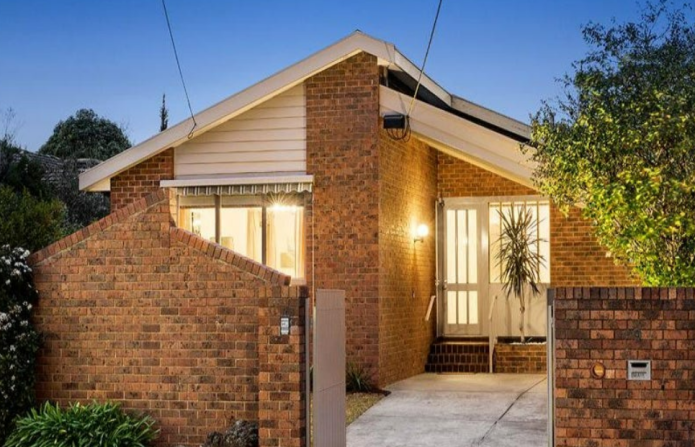
NDIS Housing is designed as a specialised support framework that goes beyond simply providing a place to live. It is closely aligned with the goals of the National Disability Insurance Scheme and focuses on helping participants live more independently, safely, and with greater choice and control. Unlike general disability accommodation, NDIS Housing integrates funding, support services, and housing standards to meet the individual needs of participants in a structured and long-term way.
Purpose and Participant-Centred Design
One of the key differences between NDIS Housing and other disability accommodation options is its participant-centred approach. NDIS Housing is developed around the personal goals, daily living needs, and long-term aspirations of the participant. Housing decisions are informed by assessments that consider physical accessibility, social inclusion, and the level of ongoing support required. Other disability accommodation models often focus on availability rather than individual suitability, which can limit personal choice and flexibility.
NDIS Housing also supports independence by encouraging participants to develop daily living skills while still receiving the assistance they need. This balance between autonomy and care is central to NDIS Disability Support and sets it apart from more traditional care-based housing arrangements.
Integration of Support Services
Another major difference lies in how support services are delivered. NDIS Housing is closely connected to funded supports, allowing participants to access assistance that matches their level of need. This is particularly evident in SIL Accommodation, where individuals live either alone or with others while receiving help with everyday tasks such as cooking, personal care, and household management. The support is structured, consistent, and aligned with the participant’s NDIS plan.
In contrast, many other disability accommodation options separate housing from support services. Residents may need to arrange external care providers independently, which can create gaps in care or lead to inconsistent support. NDIS Housing reduces this risk by coordinating accommodation with funded supports, ensuring continuity and stability.
Flexibility for Changing Needs
NDIS Housing is designed to adapt as a participant’s needs change over time. This flexibility is especially important for individuals whose support requirements may increase or decrease due to health, mobility, or personal development. Participants with Complex Care Needs NDIS benefit from housing that can accommodate specialised equipment, higher levels of personal care, and access to trained support staff when required.
Other accommodation options may lack this adaptability, often requiring individuals to relocate if their needs change. NDIS Housing aims to minimise disruption by providing environments that can evolve alongside the participant, promoting long-term stability and wellbeing.
Range of Accommodation Types
Another important distinction is the variety of accommodation options available within the NDIS framework. NDIS Housing can include long-term living arrangements as well as Short Term Accommodation, which offers temporary support for participants who need a break, are transitioning between homes, or require short-term intensive assistance. This option supports both participants and their informal carers by providing flexibility without compromising care quality.
Traditional disability accommodation often focuses on permanent placements and may not offer short-term solutions that align with funded supports. The inclusion of Short Term Accommodation within NDIS Housing allows participants to maintain continuity of care while addressing short-term needs.
Focus on Quality, Safety, and Inclusion
NDIS Housing places strong emphasis on quality standards, safety, and community inclusion. Homes are designed or modified to meet accessibility requirements and to support social participation. Participants are encouraged to engage with their local communities, fostering independence and reducing social isolation.
Other disability accommodation models may not be held to the same level of regulatory oversight or quality standards. NDIS Housing operates within a structured framework that prioritises participant dignity, choice, and long-term outcomes rather than simply providing shelter.
A Holistic Approach to Independent Living
Overall, NDIS Housing differs from other disability accommodation options by offering a holistic approach that combines suitable housing, funded supports, and personal choice. Through options such as SIL Accommodation, integrated NDIS Disability Support, flexible Short Term Accommodation, and specialised solutions for Complex Care Needs NDIS, participants receive tailored living arrangements that support independence, stability, and quality of life. This comprehensive model ensures that housing is not just a place to stay, but a foundation for achieving personal goals and long-term wellbeing.
Positive Behaviour Support NDIS | NDIS Disability Support | SIL Accommodation | STA Disability Housing