Hair thinning and hair loss are common concerns affecting individuals worldwide, impacting confidence and overall well-being. For those seeking permanent solutions, Hair Transplant in Abu Dhabi offers a highly effective and natural-looking option. Understanding how a hair transplant works for thinning areas can help you make an informed decision about your hair restoration journey.
In this comprehensive guide, we will explore the process of hair transplantation, detailing each step involved, from initial assessment to post-procedure care. Whether you’re considering a hair transplant or simply seeking to understand the procedure better, this article aims to provide clarity and insights into how hair transplants restore volume and confidence.
Understanding Hair Loss and Thinning Areas
Causes of Hair Thinning
Hair thinning can result from various factors such as genetics, hormonal changes, nutritional deficiencies, stress, and lifestyle choices. Recognizing the underlying cause is essential for determining the most suitable treatment approach. Thinning areas typically appear as receding hairlines, crown thinning, or diffuse thinning across the scalp.
The Impact of Thinning Areas
Thinning areas not only affect appearance but can also influence emotional health and self-esteem. Many individuals seek effective solutions that provide a permanent fix, making hair transplant procedures increasingly popular as a reliable method to restore hair density.
The Basics of Hair Transplant Procedure
What is a Hair Transplant?
A hair transplant is a surgical procedure that involves relocating healthy hair follicles from a donor area to a recipient area experiencing thinning or hair loss. The donor area is usually the back or sides of the scalp, known for its resistant hair growth. The transplanted follicles then grow naturally in their new location.
Why Choose a Hair Transplant?
Compared to other hair restoration methods, a transplant offers a permanent solution with natural results. It is suitable for various degrees of hair loss and can be customized to match a person’s hair pattern, color, and texture.
Steps Involved in Hair Transplant for Thinning Areas
1. Initial Consultation and Assessment
The process begins with a thorough consultation, where the specialist evaluates your scalp, hair quality, and extent of thinning. This assessment helps determine the most suitable transplant method and design a personalized treatment plan. The doctor considers factors such as hair density, scalp laxity, and hair follicle health.
2. Planning and Design
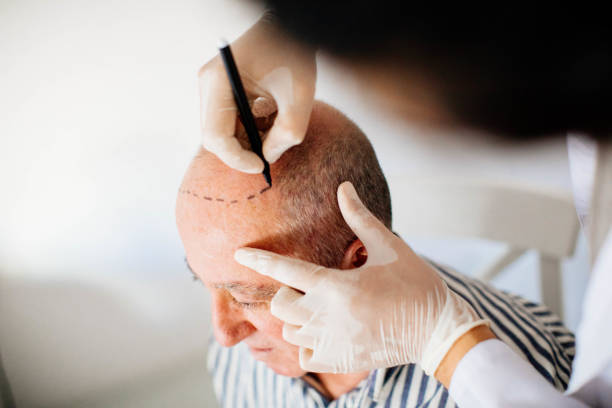
A detailed plan is created to ensure natural hairline restoration and optimal hair distribution. The surgeon maps out the donor and recipient areas, considering aesthetic preferences and facial features. This planning stage is crucial for achieving a harmonious and natural look.
3. Harvesting Hair Follicles
There are two primary methods for harvesting hair follicles:
- Follicular Unit Extraction (FUE): Individual follicular units are extracted using a specialized punch tool. This minimally invasive technique leaves tiny scars and allows for faster recovery.
- Follicular Unit Transplantation (FUT): A strip of scalp is removed from the donor area, and individual follicular units are dissected in a laboratory setting before transplantation.
The choice of method depends on various factors, including the extent of hair loss and patient preference.
4. Preparing the Recipient Area
Once the follicles are harvested, the surgeon creates tiny incisions in the thinning areas to implant the hair grafts. The placement is meticulously planned to mimic natural hair growth patterns, ensuring seamless integration with existing hair.
5. Graft Placement
The transplanted follicles are carefully inserted into the recipient sites. Skilled surgeons ensure proper orientation, depth, and angle to promote natural growth and aesthetic appeal. This precision is key to achieving optimal density and a natural hairline.
6. Post-Procedure Care
After the grafts are in place, the scalp is cleaned, and instructions are provided for post-operative care. Patients are advised on medication, hygiene, and activity restrictions to facilitate healing and growth.
Healing and Hair Growth Timeline
Immediate Post-Transplant Period
Initially, transplanted hair follicles enter a resting phase, leading to shedding within the first few weeks. This is a normal part of the healing process as the follicles settle into their new environment.
Hair Growth Phases
New hair begins to emerge around 3 to 4 months post-procedure. Full results, including increased density and natural appearance, typically develop within 9 to 12 months. Patience and adherence to post-treatment guidelines are essential for optimal outcomes.
Long-Term Results
Once transplanted hair establishes itself, it continues to grow naturally, providing a permanent solution for thinning areas. Proper scalp care and periodic follow-ups help maintain the results over time.
Advantages of Hair Transplant for Thinning Areas
Natural-Looking Results
Modern techniques allow for precise placement of hair follicles, ensuring that the transplanted hair blends seamlessly with existing hair for a natural appearance.
Permanent Solution
Transplanted hair follicles are resistant to the factors causing hair loss, offering a long-lasting solution that can last a lifetime with proper care.
Minimal Downtime
Advancements in minimally invasive techniques mean shorter recovery periods and less discomfort compared to traditional surgical procedures.
Customized Treatment
Each transplant is tailored to individual needs, considering hair type, pattern, and aesthetic goals for optimal results.
Factors Influencing the Success of a Hair Transplant
Donor Hair Quality
The quality and density of donor hair play a significant role in achieving desired results. Healthy, robust follicles are more likely to survive and grow successfully.
Surgical Skill and Technique
Expertise in harvesting and placement ensures natural growth patterns, minimal scarring, and higher graft survival rates.
Post-Operative Care
Following post-procedure guidelines, including proper scalp hygiene and avoiding trauma, supports healing and maximizes graft success.
Patient Health and Lifestyle
Healthy living, balanced nutrition, and avoiding smoking or excessive alcohol consumption contribute to better transplant outcomes.
Post-Transplant Care and Maintenance
Immediate Care
Patients should follow instructions regarding washing, medication, and activity restrictions to prevent complications and promote healing.
Long-Term Maintenance
Regular scalp examinations, proper hair care routines, and possibly supplementary treatments like medications or topical solutions can help sustain the results.
Follow-Up Appointments
Scheduled visits allow the surgeon to monitor progress, address concerns, and perform any necessary adjustments to ensure long-term satisfaction.
Conclusion
Hair transplant Abu Dhabi provides a transformative solution for individuals experiencing thinning areas, offering permanent, natural-looking results. The success of the procedure hinges on careful planning, skilled execution, and diligent post-operative care. If you’re considering restoring your hair and confidence, understanding how the process works can help you embark on a well-informed journey toward a fuller head of hair.