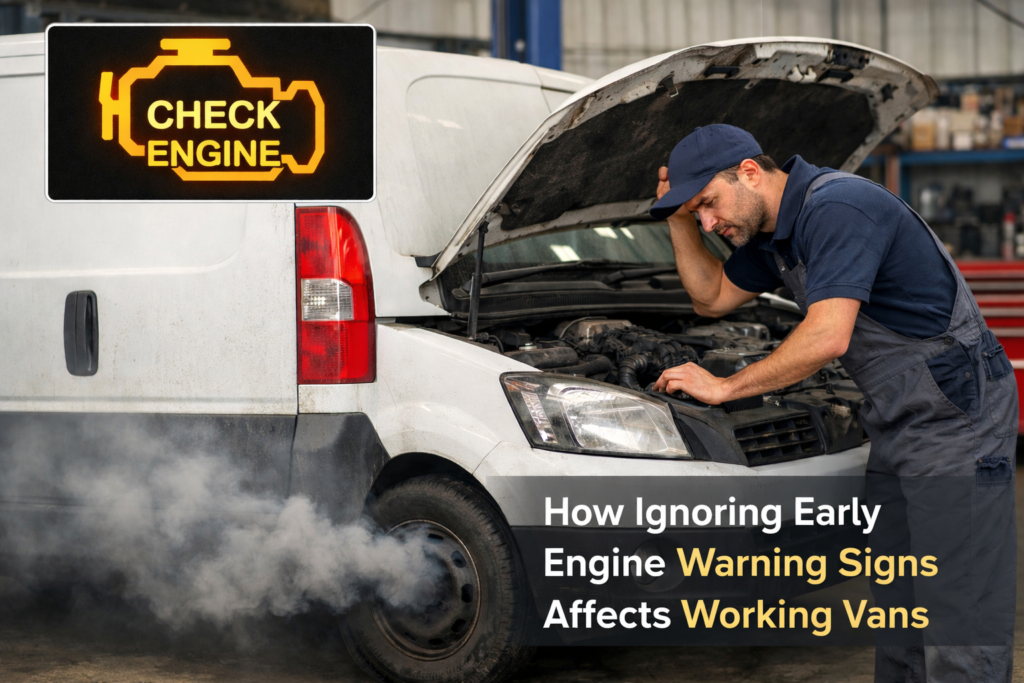
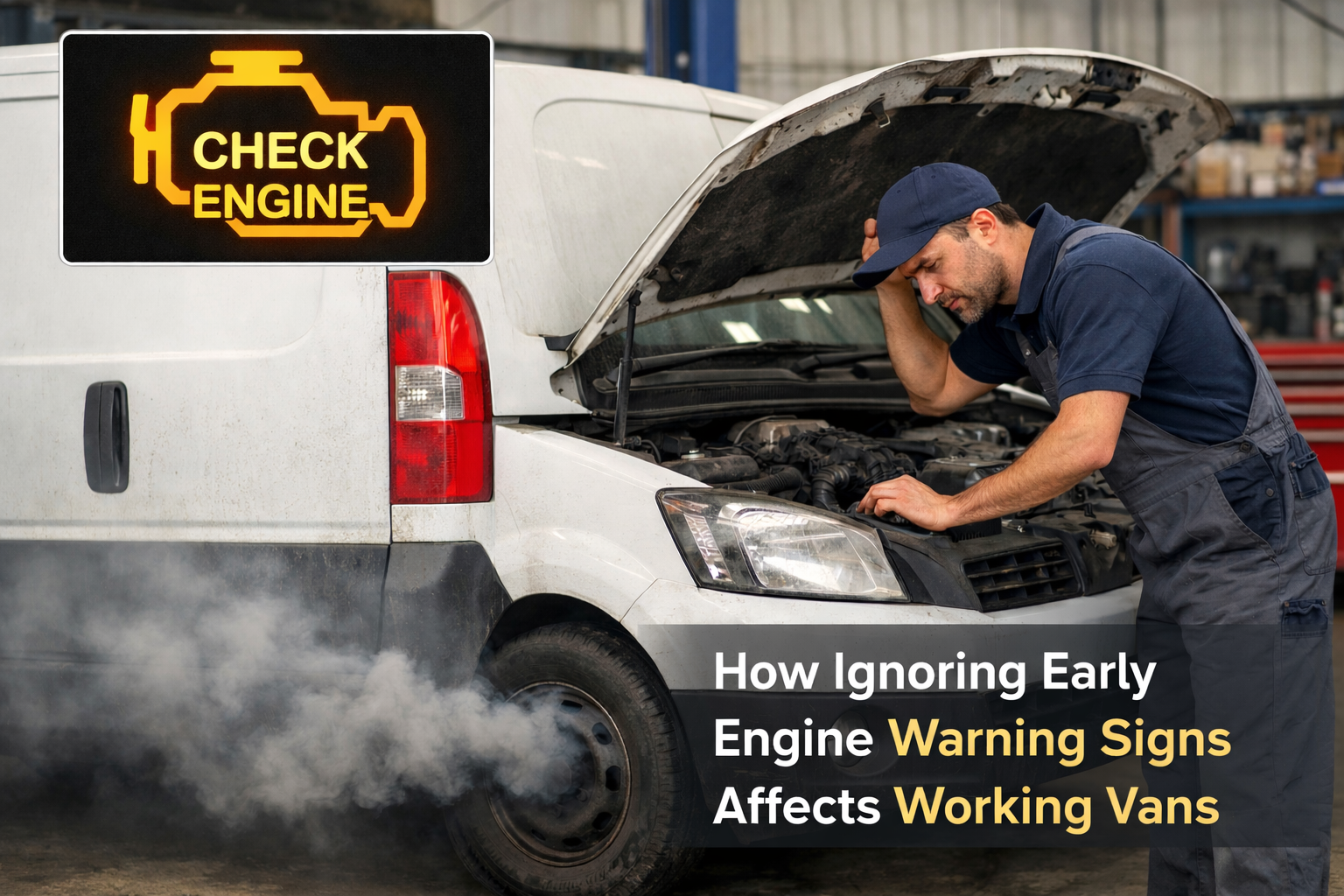
For working vans across the UK, reliability is everything. When a van is off the road, work stops, schedules slip, and costs quickly add up. Yet many van owners and fleet operators unknowingly ignore early engine warning signs, assuming they are just part of everyday wear and tear.
The truth is that modern diesel vans rarely fail without warning. Problems usually develop slowly, especially those linked to carbon build-up inside the engine. Recognising these early signs and understanding what causes them can prevent costly downtime and long-term damage.
This awareness is particularly important under UK driving conditions, where stop-start traffic, short journeys, and emission controls place extra pressure on engines.
Why Early Engine Warning Signs Are Often Missed
Working vans are built to keep going, even when performance starts to drop. Because the vehicle still moves and completes jobs, warning signs are often overlooked.
Common reasons include:
- Busy work schedules leaving no time for checks
- Symptoms developing gradually rather than suddenly
- No dashboard warning lights appearing early on
- Assuming poor performance is “normal” for a high-mileage van
Unfortunately, ignoring these signals allows internal issues to worsen.
Early Warning Signs That Should Never Be Ignored
Many of the first indicators of engine trouble are subtle. Paying attention to small changes can prevent major repairs later.
Reduced Engine Performance
A van that feels slower, struggles on hills, or hesitates when accelerating may be dealing with restricted airflow caused by internal carbon deposits.
Rising Fuel Consumption
A gradual drop in fuel efficiency is a strong sign that combustion is no longer clean. Carbon build-up forces the engine to burn more fuel to achieve the same output.
Rough or Uneven Idling
If the engine shakes, vibrates, or sounds inconsistent while idling, it may indicate carbon affecting intake valves or airflow systems.
Increased Exhaust Smoke
Visible black or dark smoke during acceleration is often linked to incomplete combustion, commonly associated with carbon contamination.
Poor Cold Starts
Hard starts in the morning or longer cranking times can signal restricted airflow or inefficient fuel burn.
How Carbon Build-Up Develops in Working Vans
Carbon deposits form naturally during combustion, but UK driving patterns accelerate the problem.
Key contributors include:
- Short journeys that prevent full engine warm-up
- Frequent stop-start driving in towns and cities
- Idling during loading, unloading, or traffic delays
- Heavy loads putting engines under constant strain
Over time, carbon accumulates in critical areas, reducing efficiency and increasing wear.
This is why engine carbon cleaning has become an important preventative maintenance option for commercial vehicles.
Long-Term Impact of Ignoring Carbon-Related Issues
When early symptoms are ignored, carbon build-up doesn’t stay contained. It spreads and begins to affect multiple engine systems.
Possible consequences include:
- Increased stress on the turbocharger
- Restricted exhaust gas flow
- Reduced engine lifespan
- Higher emissions and potential MOT failures
- Sudden breakdowns during work hours
What begins as a minor performance issue can eventually require costly mechanical repairs.
Why Awareness Matters More Than Warning Lights
Modern vans are designed to compensate for efficiency loss, meaning dashboard alerts often appear late. By the time a warning light activates, carbon build-up may already be severe.
Awareness allows van owners to act before:
- Components are damaged
- The van becomes unreliable
- Repair costs escalate
- Business operations are disrupted
This is why preventative checks and engine carbon cleaning are becoming more common across UK fleets.
The Role of Engine Carbon Cleaning as a Preventative Solution
Engine carbon cleaning is designed to remove built-up carbon deposits without dismantling the engine. It restores airflow and improves combustion efficiency.
Benefits for working vans include:
- Smoother engine operation
- Improved throttle response
- Better fuel economy
- Reduced emissions
- Lower risk of future faults
A professional carbon cleaning service can help reverse the effects of carbon build-up before damage occurs.
Why Mobile Carbon Cleaning Is Popular in the UK
Downtime is one of the biggest concerns for van owners. That’s why many operators search for a mobile carbon clean near me rather than booking workshop appointments.
Mobile services offer:
- On-site cleaning at home or depot
- Minimal disruption to work schedules
- Faster turnaround times
- Convenience for fleet vehicles
For tradespeople and small businesses, choosing an engine carbon clean near me often means maintenance without losing a day’s work.
UK Driving Conditions Increase the Risk
Carbon-related engine issues are more common in the UK due to:
- Urban congestion and low-speed driving
- Emission control systems on modern diesels
- Cold and damp weather affecting combustion
- Increased reliance on short-distance journeys
These factors make awareness especially important for van owners compared to private car drivers.
When Should Van Owners Take Action?
You don’t need to wait for a fault code or breakdown. Early action is recommended if your van:
- Has covered high mileage
- Is mainly used for city or local driving
- Shows reduced MPG or power
- Feels rough or inconsistent under load
Scheduling a preventative carbon cleaning service can help restore performance and protect engine health.
Awareness Leads to Better Decisions
Ignoring early engine warning signs rarely saves money. It usually delays maintenance until repairs become unavoidable and expensive.
By staying aware of how your van behaves and understanding the impact of carbon build-up, you can:
- Reduce unexpected downtime
- Extend engine lifespan
- Improve fuel efficiency
- Keep vehicles compliant with UK standards
For working vans, early awareness combined with solutions like engine carbon cleaning helps keep businesses moving and engines performing as they should.