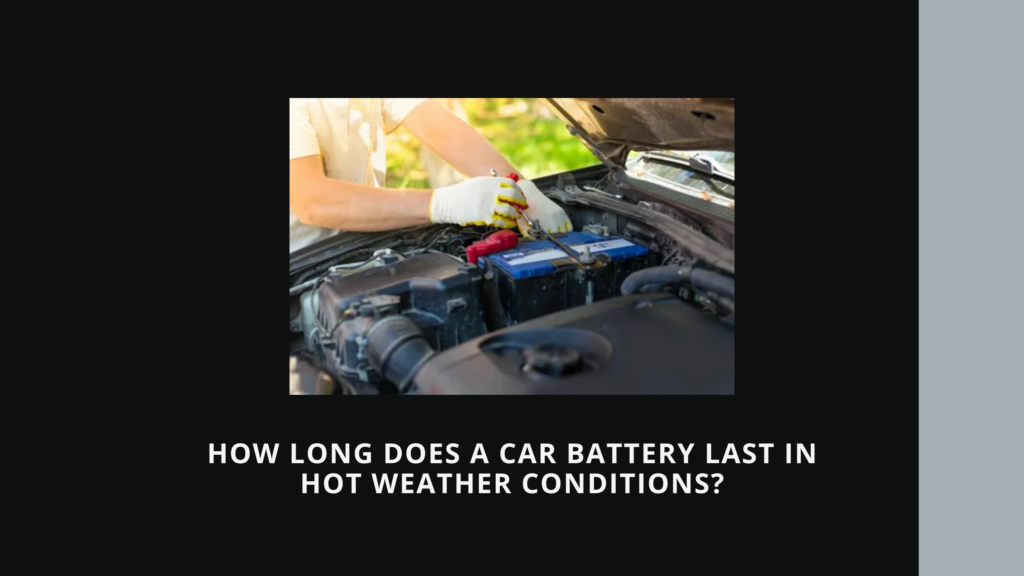

Car batteries play a critical role in vehicle performance, yet their lifespan is often misunderstood—especially in regions with consistently high temperatures. While many drivers associate battery failure with cold climates, hot weather can be even more damaging. Prolonged exposure to heat accelerates chemical reactions inside the battery, leading to faster wear and reduced reliability. Understanding how heat affects a car battery can help vehicle owners take preventive steps and avoid unexpected breakdowns.
NOTE:- Car Battery Replacement was completed efficiently to prevent unexpected breakdowns. The process helped maintain consistent electrical performance and driving safety. Timely replacement reduced long-term issues. Those seeking trusted automotive care were advised to reach out to Arabian Star Tyre now for prompt and reliable service.
Average Lifespan of a Car Battery in Hot Climates
In moderate weather conditions, a typical car battery lasts between three to five years. However, in hot weather regions, this lifespan is often reduced to two to three years. High temperatures speed up internal chemical processes, which causes the battery to degrade faster than it would in cooler environments. Over time, this leads to a weaker charge capacity and an increased risk of sudden failure.

Heat does not usually cause immediate battery breakdown. Instead, it gradually damages the internal components, making the battery less effective long before visible symptoms appear. This is why batteries in hot climates often fail without much warning.
How Heat Affects Car Battery Performance
A car battery relies on a chemical reaction between lead plates and electrolyte fluid to generate power. Excessive heat accelerates this reaction, which may seem beneficial at first but actually shortens the battery’s overall life. One major issue caused by heat is electrolyte evaporation. As the fluid level drops, the battery plates become exposed and begin to corrode.
Heat also increases internal resistance within the battery. This makes it harder for the battery to hold a charge and deliver consistent power. Over time, the battery becomes strained, especially during engine start-ups, when a high amount of power is required.
Common Signs of Battery Wear in Hot Weather
Battery failure in hot climates often presents subtle warning signs. Slow engine cranking is one of the earliest indicators. If the engine takes longer than usual to start, the battery may already be weakened. Dimming headlights, electrical malfunctions, and dashboard warning lights can also signal battery-related issues.
In some cases, the battery casing may appear swollen due to excessive heat exposure. This physical change indicates internal damage and should be addressed immediately. Ignoring these signs can lead to complete battery failure at inconvenient times.
Why Hot Weather Can Be More Damaging Than Cold
Cold weather reduces battery efficiency temporarily, but hot weather causes permanent damage. While a battery may struggle to perform in low temperatures, it often recovers once conditions improve. Heat, on the other hand, accelerates corrosion of internal components and permanently reduces the battery’s ability to store energy.
Additionally, modern vehicles rely heavily on electronic systems that continuously draw power, even when the engine is off. In hot climates, this constant demand places further stress on an already weakened battery, shortening its usable lifespan.
Tips to Extend Battery Life in Hot Conditions
Although heat exposure cannot be completely avoided, certain practices can help extend battery life. Regular battery inspections are essential, especially in hot weather regions. Checking voltage levels and electrolyte condition allows early detection of potential issues.
Parking in shaded or covered areas reduces direct heat exposure and slows down internal degradation. Ensuring that the battery is securely mounted also helps, as vibrations combined with heat can accelerate internal damage. Keeping terminals clean and corrosion-free improves electrical flow and reduces unnecessary strain on the battery.
When Battery Replacement Becomes Necessary
Despite preventive measures, battery replacement is inevitable in hot climates. If a battery is more than two years old and begins showing performance issues, proactive replacement is often the safest option. Waiting until complete failure can lead to unexpected vehicle downtime and additional electrical complications.
Professional battery testing provides an accurate assessment of remaining battery health. Replacing a weakened battery before it fails ensures consistent vehicle performance and reduces the risk of being stranded.
Conclusion
Hot weather significantly impacts car battery lifespan, often reducing it well below the standard expectancy seen in cooler climates. Continuous exposure to high temperatures accelerates internal chemical reactions, causes fluid evaporation, and leads to permanent damage over time. By understanding these effects and taking preventive measures, vehicle owners can minimize risks and plan timely replacements. Regular inspections, mindful parking habits, and early attention to warning signs are key to maintaining reliable battery performance in hot weather conditions.
For More Insightful Articles Related To This Topic, Feel Free To Visit: Newsglo