When life changes overnight, what do you do? Do you retreat into silence—or do you pick up a pen and tell the world what love really looks like?
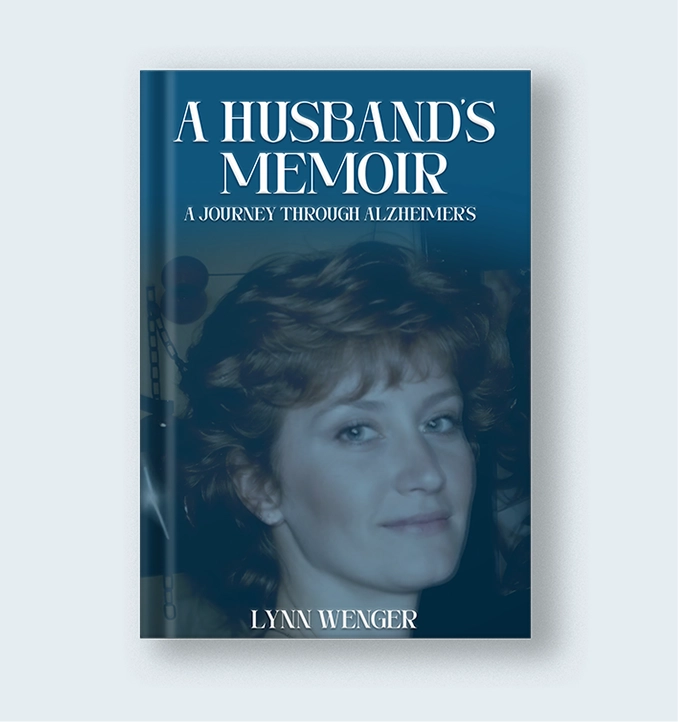
That’s exactly what Lynn Wenger did. Faced with the emotional and physical challenges of caring for his wife, he transformed his personal struggle into a deeply moving book, A Husband’s Memoir. What began as private pain became a public testimony of devotion, resilience, and the quiet heroism of everyday caregiving.
This article explores how A Husband’s Memoir came to life, why it resonates with readers, and what we can all learn from one man’s journey through love and loss.
1. The Man Behind the Memoir
Before he became an author, Lynn Wenger was simply a husband deeply devoted to his wife. He wasn’t chasing literary fame. He wasn’t building a brand. He was building a life—one rooted in commitment, routine, shared dreams, and quiet understanding.
Then illness entered the picture.
Like many spouses, he didn’t sign up for caregiving. It arrived uninvited. But instead of stepping back, he stepped forward. That decision would change everything.
What makes his story relatable is its ordinariness. He wasn’t extraordinary in the beginning. He became extraordinary by showing up every single day.
2. When Love Becomes Caregiving
Marriage vows often include the phrase, “in sickness and in health.” But what happens when sickness becomes the daily reality?
For Lynn, love transformed from shared laughter and companionship into medication schedules, doctor visits, and sleepless nights. The shift was gradual but profound. Suddenly, the roles changed. He wasn’t just a partner—he was a caregiver.
And caregiving isn’t glamorous. It’s messy. It’s exhausting. It can test even the strongest relationships.
Yet in A Husband’s Memoir, he shows that caregiving is also love in its most raw and honest form. It’s love without applause. Love without a break. Love that keeps going.
3. The Emotional Weight of Responsibility
Caregiving can feel like carrying the world on your shoulders. Imagine holding a fragile glass sculpture—beautiful, precious, and constantly at risk of shattering. That’s what responsibility can feel like when someone you love depends entirely on you.
Lynn openly shares the emotional toll:
-
The fear of making mistakes
-
The guilt of feeling tired
-
The loneliness of being the strong one
He doesn’t pretend it was easy. In fact, that honesty is what makes A Husband’s Memoir so powerful. Readers don’t see a perfect hero. They see a real man navigating an imperfect situation.
4. Finding Strength in Vulnerability
Here’s something many people don’t talk about: men are often expected to be stoic. Strong. Silent.
But Lynn chose a different path.
He allowed himself to feel. And more importantly, he allowed himself to write about those feelings. By doing so, he broke an unspoken rule—that husbands must endure quietly.
His vulnerability became his strength.
When readers open A Husband’s Memoir, they don’t just see caregiving facts. They feel the tears behind the words. They sense the frustration, the hope, the heartbreak.
And that vulnerability? It connects.
5. Why He Chose to Write A Husband’s Memoir
So why write the book at all?
After years of caregiving, Lynn realized his story wasn’t his alone. Millions of spouses walk a similar path. Many feel isolated. Many feel unseen.
Writing became a way to:
-
Process grief
-
Preserve memories
-
Offer comfort to others
In many ways, the book is like a lighthouse. It doesn’t remove the storm, but it offers direction in the darkness.
He didn’t write to impress. He wrote to express. And in doing so, he gave others permission to do the same.
6. Turning Private Pain into Public Purpose
Sharing personal pain is never easy. It requires courage. It requires trust.
But Lynn understood something important: stories heal when they are shared.
By publishing A Husband’s Memoir, he transformed a private journey into a public resource. Readers found validation in his words. They felt less alone.
His story became bigger than his own experience. It became a voice for caregivers everywhere.
7. The Writing Process: Healing Through Words
Writing can be therapeutic. For Lynn, it was both painful and freeing.
Every memory revisited brought emotion to the surface. Some chapters were likely written through tears. Others perhaps brought quiet smiles.
The process wasn’t about literary perfection. It was about truth.
He focused on:
-
Honest storytelling
-
Simple language
-
Emotional authenticity
That’s why the book feels like a conversation, not a lecture. It reads as if a friend is sitting across from you, sharing his heart.
8. Lessons on Marriage and Commitment
At its core, A Husband’s Memoir isn’t just about illness. It’s about marriage.
What does commitment really mean?
Lynn’s story suggests that love isn’t only about romance. It’s about endurance. It’s about showing up when it’s hard. It’s about choosing the same person every day—even when the circumstances change.
His memoir reminds us that marriage is less like a fairy tale and more like a long road trip. Sometimes the scenery is beautiful. Sometimes there are detours. What matters is staying in the car together.
9. The Power of Storytelling for Caregivers
Why do stories matter so much?
Because caregiving can feel invisible.
When someone reads A Husband’s Memoir, they see their own struggles reflected back. That reflection validates their experience.
Stories:
-
Reduce isolation
-
Encourage empathy
-
Create community
Lynn’s book doesn’t offer medical advice. It offers understanding. And sometimes, understanding is exactly what we need.
10. Reader Reactions and Impact
The response to A Husband’s Memoir shows how deeply it resonates.
Readers often describe feeling:
-
Comforted
-
Inspired
-
Understood
Some say the book helped them prepare for caregiving. Others say it helped them process grief after loss.
That’s the true measure of impact—not sales numbers, but hearts touched.
11. What Makes A Husband’s Memoir Unique
There are many books about illness and caregiving. So what sets this one apart?
Perspective.
Most caregiving narratives focus on patients or professional caregivers. Lynn writes from the husband’s viewpoint—a space that isn’t always explored.
He captures:
-
The shifting identity from partner to nurse
-
The silent fears men often hide
-
The tender moments that persist despite hardship
This angle makes A Husband’s Memoir both refreshing and deeply needed.
12. The Broader Conversation About Caregiving
Caregiving is becoming more common. As populations age, more spouses will step into this role.
Lynn’s memoir contributes to a larger discussion:
-
How do we support family caregivers?
-
How do we protect their mental health?
-
How do we honor their sacrifices?
By sharing his story, he invites society to look more closely at those who give so much behind closed doors.
13. Overcoming Doubt and Fear
Writing a memoir can be intimidating. What if people judge? What if the story feels too personal?
Lynn likely faced those doubts.
But he moved forward anyway.
That’s another lesson embedded in A Husband’s Memoir: courage doesn’t mean the absence of fear. It means acting despite it.
In sharing his truth, he gave others permission to share theirs.
14. The Legacy of Love in A Husband’s Memoir
Ultimately, what remains after illness and loss?
Love.
A Husband’s Memoir preserves that love in written form. It ensures that memories don’t fade. It captures moments that might otherwise be forgotten.
Think of the book as a time capsule. Inside it are:
-
Laughter
-
Tears
-
Frustration
-
Devotion
And above all, unwavering commitment.
Lynn Wenger didn’t just write a book. He built a legacy—one that reminds us what it truly means to stand by someone.
Conclusion
Lynn Wenger’s journey from devoted husband to memoir author is a testament to the transformative power of storytelling. Through A Husband’s Memoir, he turned caregiving—a role often filled with exhaustion and quiet sacrifice—into something meaningful and enduring.
His story speaks to anyone who has loved deeply, struggled quietly, or wondered if their effort truly mattered. It reminds us that even in the hardest seasons of life, there is value in sharing our truth.
Because sometimes, the most powerful stories aren’t about grand achievements. They’re about everyday love.
FAQs
1. What is A Husband’s Memoir about?
It tells the personal story of Lynn Wenger’s caregiving journey as he supported his wife through illness, highlighting love, commitment, and emotional resilience.
2. Why did Lynn Wenger write A Husband’s Memoir?
He wrote it to process his experiences, preserve memories, and offer encouragement and understanding to other caregivers.
3. Who should read A Husband’s Memoir?
Anyone facing caregiving responsibilities, experiencing loss, or seeking insight into marriage and devotion will find value in the book.
4. What makes this memoir different from other caregiving books?
It presents the husband’s perspective, focusing on emotional honesty and the challenges men may face in caregiving roles.
5. How can caregiving stories like this help others?
They reduce feelings of isolation, promote empathy, and provide emotional support by showing readers they are not alone in their struggles.