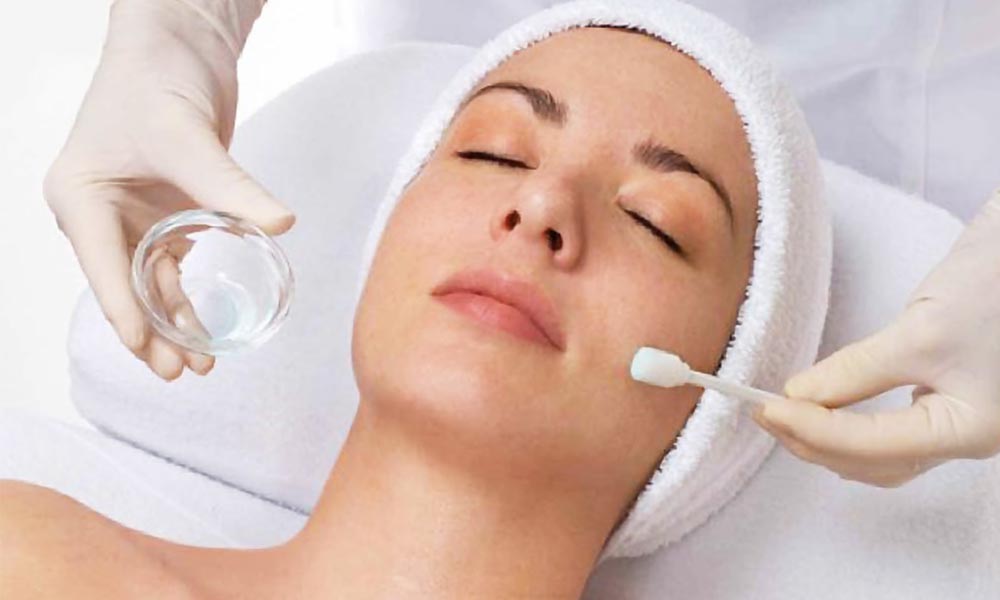
Chemical peels have gained popularity as an effective skin rejuvenation treatment, offering solutions for various skin concerns such as acne scars, hyperpigmentation, fine lines, and uneven skin tone. As with any cosmetic procedure, safety is a primary concern for those considering this treatment. This article explores the safety aspects of chemical peels, providing detailed insights to help you make an informed decision.
Understanding Chemical Peels
What Are Chemical Peels?
Chemical Peels Abu Dhabi are skin treatments that involve the application of a chemical solution to the face, which causes the outermost layers of skin to peel off. This process stimulates new skin growth, resulting in a smoother, clearer, and more youthful appearance. Chemical peels vary in depth and intensity, ranging from superficial to deep peels, depending on the skin concerns being addressed.
Types of Chemical Peels
- Superficial Peels: Use mild acids like alpha-hydroxy acids (AHAs) to treat minor skin imperfections.
- Medium Peels: Utilize stronger agents such as trichloroacetic acid (TCA) to target moderate skin issues.
- Deep Peels: Employ phenol or stronger chemicals for severe skin problems, requiring longer recovery times.
How Do Chemical Peels Work?
Chemical peels work by removing damaged skin layers to reveal fresher, healthier skin underneath. The chemical solution disrupts the bonds between skin cells, causing the upper layers to peel away. This process encourages collagen production and skin regeneration, resulting in improved skin texture and tone.
Factors Influencing the Safety of Chemical Peels
Skin Type and Condition
The safety and effectiveness of chemical peels largely depend on individual skin type and condition. People with sensitive skin or certain skin conditions may require special consideration or alternative treatments.
Professional Expertise
Administering chemical peels should always be performed by a trained and experienced dermatologist or skincare professional. Proper technique and appropriate peel strength are crucial for safe outcomes.
Post-Treatment Care
Following the recommended post-peel skincare regimen is vital to minimize risks and promote optimal healing. This includes avoiding sun exposure, using gentle skincare products, and following professional advice.
Safety Considerations for Chemical Peels
Potential Side Effects
While generally safe when performed correctly, chemical peels can cause side effects such as redness, peeling, dryness, and temporary skin sensitivity. Severe reactions are rare but can include scarring or pigmentation changes if not properly managed.
Precautions Before the Procedure
Pre-treatment assessments help determine suitability for a chemical peel. It’s important to disclose your medical history, skincare routines, and any medications you’re taking to your skincare professional.
Post-Treatment Safety Measures
Post-peel care includes avoiding sun exposure, applying prescribed moisturizers, and refraining from picking at peeling skin. These measures help prevent complications and ensure safe healing.
Why Choose a Reputable Clinic?
Selecting a reputable clinic with experienced professionals enhances the safety of your chemical peel procedure. Such clinics adhere to strict safety protocols, use high-quality products, and provide personalized care tailored to your skin needs.
Enfied Royal Clinic Abu Dhabi as a Reference
For those seeking expert care, Enfied Royal Clinic Abu Dhabi exemplifies a trusted facility providing safe and effective chemical peel treatments. Their team of specialists ensures personalized treatment plans and comprehensive pre- and post-procedure care.
The Benefits of Safe Chemical Peels
When performed safely, chemical peels offer numerous benefits, including improved skin texture, reduced appearance of scars and blemishes, diminished fine lines, and enhanced overall skin radiance. The procedure is minimally invasive with relatively quick recovery times, making it a popular choice among those seeking facial rejuvenation.
How to Maximize Safety and Effectiveness
Pre-Treatment Preparation
Proper skin preparation, including avoiding sun exposure and using recommended skincare products, helps optimize results and reduce risks.
Choosing the Right Peel
Your skincare professional will recommend the most suitable type and strength of peel based on your skin type, concerns, and desired outcomes.
Adhering to Post-Treatment Guidelines
Following post-treatment instructions diligently ensures proper healing, minimizes side effects, and prolongs the benefits of the peel.
Frequently Asked Questions (FAQs)
1. How safe are chemical peels for sensitive skin?
Chemical peels can be safe for sensitive skin when performed by experienced professionals who customize the treatment to your skin’s needs, using appropriate peel strengths and post-care protocols.
2. Can chemical peels be performed on all skin tones?
Yes, chemical peels are suitable for a wide range of skin tones. However, deeper peels may carry a higher risk of pigmentation changes in darker skin tones, making professional assessment essential.
3. How long does it take to see results from a chemical peel?
Results can vary depending on the type of peel used and individual skin conditions. Generally, improvements become visible within a few days to weeks after the procedure.
4. Are multiple sessions necessary for optimal results?
Most skin concerns respond well to a series of treatments, especially superficial peels. Your skincare professional can recommend a tailored treatment plan based on your goals.
Conclusion
Chemical peels in Abu Dhabi can be a safe and effective way to rejuvenate facial skin when performed by trained professionals and with proper pre- and post-treatment care. Safety depends on individual skin factors, the expertise of the practitioner, and adherence to recommended guidelines. Choosing a reputable clinic, such as Enfied Royal Clinic Abu Dhabi, ensures you receive personalized, safe, and effective treatment, helping you achieve your skincare goals confidently.