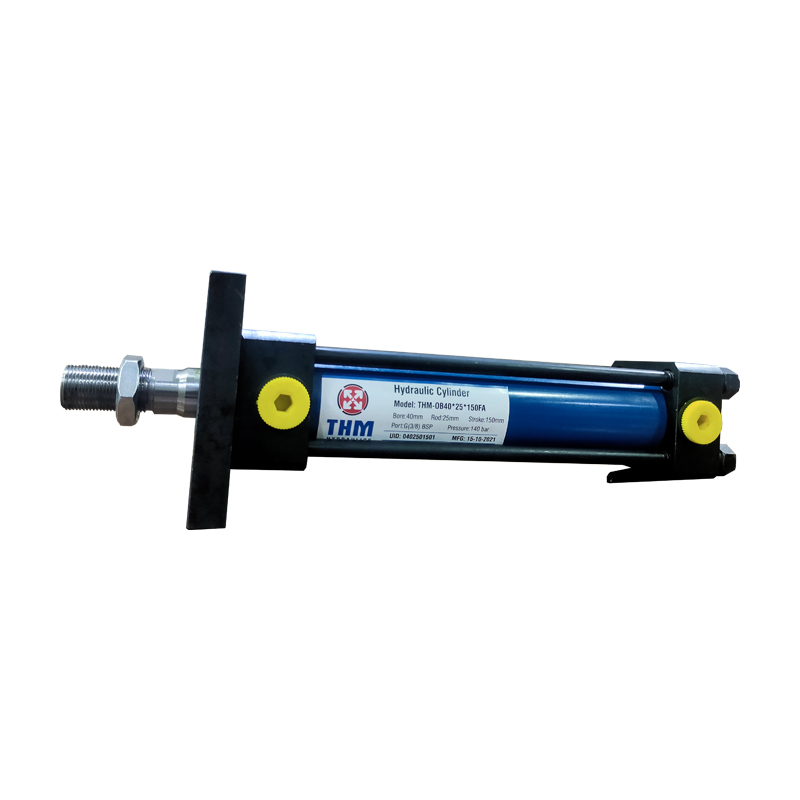
When you look at modern industries—from manufacturing and construction to mining and agriculture—there’s one component that silently powers heavy lifting, smooth movement, and precise control: hydraulic cylinders. Among the most commonly used types are single acting cylinders and double acting cylinders, each offering its own advantages depending on the application.
Both may look similar on the outside, but their internal working styles can dramatically influence performance, load handling capacity, and operational efficiency. In this guest post, let’s break down how these two types of cylinders contribute to safer, faster, and more reliable load handling across multiple industries.
Understanding the Basics: Single vs Double-Acting Cylinders
Before diving into industry applications, it’s worth revisiting what sets these cylinders apart.
Single-Acting Cylinders
A single acting cylinder uses hydraulic pressure in one direction only—usually to push. The return stroke happens through either gravity, an internal spring, or external load force. They are simple, cost-effective, and ideal for applications where movement is needed in just one direction.
Double Acting Cylinders
A double-acting cylinder uses hydraulic pressure in both directions—extending and retracting. This gives better control, more power, and consistent movement in both strokes. These cylinders are used in applications where force and precision are required in both directions.
With that difference in mind, let’s explore how these cylinders impact load handling across industries.
1. Construction Industry: Powering Heavy Lifting and Stability
Construction sites rely heavily on dependable load handling. Cranes, excavators, concrete pumps, and heavy-duty lifts all depend on hydraulic systems to move, lift, and position materials safely.
Where Single Acting Cylinders Excel
- Dump trucks
- Scissor lifts
- Small lifting platforms
Because single acting cylinders provide force in one direction, they perfectly suit tasks like lifting loads and allowing gravity to lower them.
Where Double Acting Cylinders Dominate
- Excavator arms
- Bulldozer blades
- Telehandlers
- Tower cranes
Double acting cylinders allow operators to push and pull with equal strength. This results in:
- smoother digging
- controlled lifting
- precise positioning of loads
- safer operation in uneven terrains
In construction, precision is not optional—it’s essential for safety. That’s why double acting cylinders play such a critical role.
2. Manufacturing Industry: Smooth, Accurate, and Continuous Operations
Hydraulic cylinders form the backbone of automation in manufacturing plants. From pressing and molding to loading and unloading, cylinders help maintain a continuous flow of movement.
Single Acting Cylinders in Manufacturing
They are commonly used in:
- Punching machines
- Pressing equipment
- Clamping devices
Their straightforward one-direction operation makes them easy to integrate into repetitive tasks.
Double Acting Cylinders in Manufacturing
These cylinders are preferred for:
- Robotic arms
- Conveyor systems
- Packaging equipment
Double acting cylinders provide:
- consistent stroke speed
- equal force in both directions
- precise control during load handling
In industries where consistency leads to product quality, double acting cylinders ensure that every movement is accurate and every product is handled with care.
3. Agriculture Industry: Increasing Productivity in Field Operations
Modern farming equipment is designed to be more efficient, precise, and durable. Hydraulic cylinders support everything from soil preparation to harvesting.
Single Acting Cylinders in Agriculture
These often support:
- Lift gates
- Tipping wagons
- Small sprayers
Their simple motion is perfect for tasks requiring upward force and gravity-based lowering.
Double Acting Cylinders in Agriculture
You’ll find them in:
- Tractors
- Harvesters
- Front loaders
- Ploughs
Farmers benefit from double acting cylinders because they:
- provide stable movement in uneven fields
- ensure better control during ploughing and cultivation
- handle loads with more power and stability
This improves productivity and reduces manual effort, making farming operations more efficient.
4. Material Handling & Warehousing: Precision and Safety
Forklifts, pallet stackers, and warehouse loaders rely on hydraulic systems to move goods safely and efficiently.
Single Acting Cylinders
Used in:
- Lift tables
- Pallet lifters
- Basic warehouse lifts
These cylinders offer easy maintenance and reliability.
Double Acting Cylinders
Used in:
- Forklifts
- Reach trucks
- Telescopic handlers
They help in:
- lifting heavy pallets
- controlling load angles
- ensuring steady movement while stacking materials
Double acting cylinders significantly reduce the risk of load shift or drop, which is crucial in warehouse safety.
5. Mining & Heavy Machinery: Handling Extreme Loads
Mining involves some of the toughest operating environments. Equipment must withstand dust, debris, temperature changes, and heavy loads.
Why Single Acting Cylinders Are Useful
Used for:
- Hydraulic jacks
- Mine roof supports
Their simple structure means less maintenance and more reliability under extreme conditions.
Why Double Acting Cylinders Are Essential
Used in:
- Drill rigs
- Loaders
- Haul trucks
These cylinders manage:
- controlled movement of massive tool arms
- load dumping
- precise positioning of drilling equipment
Double acting cylinders offer the power needed for extreme load handling, ensuring safety and operational stability.
6. Transport & Logistics: Better Control for Heavy Vehicles
Hydraulic cylinders help trucks, transporters, and trailers function more efficiently.
Single Acting Cylinders
Widely used in:
- Tipper trucks
- Hydraulic jacks for roadside assistance
These cylinders provide powerful lifting force with minimal complexity.
Double Acting Cylinders
Used in:
- Steering mechanisms
- Brake systems
- Recovery vehicles
They provide:
- better torque
- smoother movement
- controlled load adjustments
This improves vehicle safety and enhances driver control during transportation.
Why These Cylinders Improve Load Handling Across All Industries
Across sectors, both single and double acting cylinders improve load handling through:
1. Precision Movement
Accurate stroke control ensures materials stay stable during movement, reducing accidents.
2. Increased Lifting Power
Hydraulics multiply force, enabling smaller machines to lift heavier loads.
3. Better Safety
Controlled movement reduces the chances of sudden drops, load swings, or structural imbalance.
4. Reliability
Hydraulic cylinders require minimal maintenance and last long even in high-pressure scenarios.
5. Versatility Across Conditions
They can work in dust, heat, cold, water, and heavy-duty environments without performance loss.
Choosing Between Single and Double Acting Cylinders
The choice depends on:
- type of motion required
- load weight
- stroke control needs
- budget
- operational environment
Choose Single Acting Cylinders When:
- you need force in only one direction
- simplicity and cost-effectiveness matter
- the load can return using gravity or external force
Choose Double Acting Cylinders When:
- precise bi-directional movement is required
- heavy loads must be managed safely
- consistent control is necessary throughout the stroke
Both types deliver excellent performance when used in the right application.
Final Thoughts
From construction sites to factory floors, and from farms to mines, single acting and double acting cylinders are the backbone of modern load handling. Their ability to provide strong, controlled, and reliable movement makes them indispensable in every industry that relies on lifting, pushing, pulling, or positioning heavy loads.
Understanding their differences—and where each type excels—helps industries choose the right hydraulic cylinder for better efficiency, safer operation, and improved performance.
If you’re involved in machinery design, maintenance, or industrial operations, investing in the right hydraulic cylinder can transform how smoothly and safely your equipment handles loads.