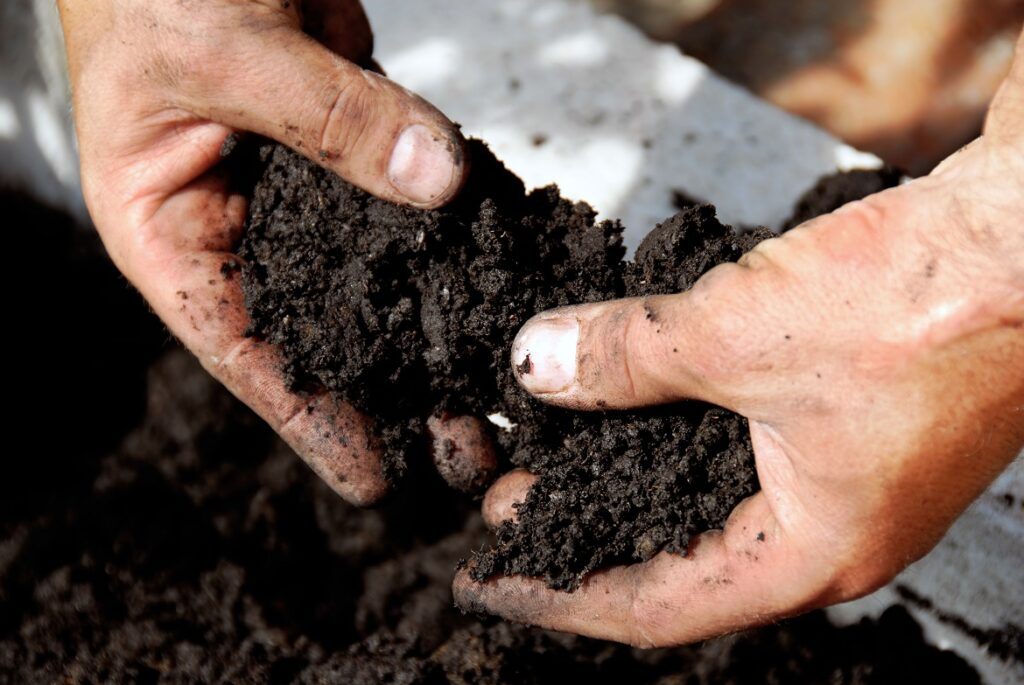
For farmers, soil is more than just the ground beneath their feet. Healthy soil is the foundation of productive farms, strong crops, and sustainable agriculture. Over time, soil can become depleted due to overuse, poor management, and environmental factors. This is where soil health consulting comes in. By working with soil experts, farmers can understand their land better, make informed decisions, and ultimately increase crop yields.
What Is Soil Health Consulting?
Soil health consulting is a professional service that helps farmers and landowners improve the quality and fertility of their soil. Consultants analyze soil properties, nutrient levels, and microbial activity to create strategies tailored to each farm’s unique needs. Their goal is to enhance soil structure, boost nutrient availability, and promote long-term productivity.
Unlike general advice, soil health consulting provides a scientific, customized approach. Consultants consider soil type, climate, crop selection, and farm management practices before recommending solutions. This ensures that any changes made are both effective and sustainable.
Why Soil Health Is Critical for Crop Yields
Soil health affects every stage of crop growth. Healthy soil holds water better, supports strong root systems, and contains essential nutrients needed for plant development. Poor soil health can lead to weak plants, lower resistance to pests and diseases, and reduced yields.
Key factors that influence soil health include:
-
Nutrient content: Nitrogen, phosphorus, potassium, and trace minerals are vital for crops.
-
Organic matter: Decomposed plant and animal material improves fertility and soil structure.
-
Soil structure: Well-aggregated soil allows roots to penetrate easily and water to flow efficiently.
-
Microbial activity: Beneficial bacteria and fungi help break down nutrients and support plant growth.
By improving these factors, soil health consulting can significantly impact crop yields and farm sustainability.
How Soil Health Consulting Improves Crop Yields
1. Soil Testing and Analysis
The first step in soil health consulting is a detailed analysis of the farm’s soil. Consultants collect samples from different areas and test for pH levels, nutrient content, organic matter, and microbial activity.
This information allows farmers to identify nutrient deficiencies, compacted soil, or imbalances that may limit plant growth. With accurate data, farmers can make precise amendments rather than relying on guesswork, saving both money and resources.
2. Customized Fertilization Plans
Based on soil testing results, consultants develop fertilization plans tailored to the farm’s needs. These plans ensure crops receive the right type and amount of nutrients at the correct time.
Targeted fertilization prevents overuse of chemicals, reduces waste, and supports environmental sustainability. Healthy, well-nourished plants are stronger, grow faster, and produce higher yields.
3. Soil Structure Improvement
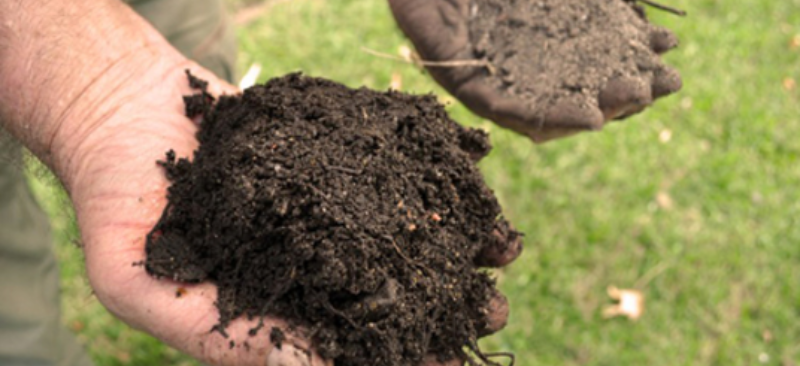
Soil compaction and poor structure limit root growth and reduce water infiltration. Soil health consultants recommend practices such as cover cropping, reduced tillage, or organic amendments to improve soil structure.
Better soil structure enhances root development, water retention, and nutrient absorption, directly boosting crop productivity.
4. Organic Matter and Composting
Adding organic matter, such as compost or plant residues, is a key recommendation from soil health consulting. Organic matter improves soil fertility, encourages microbial activity, and increases moisture retention.
Crops grown in nutrient-rich soil are healthier and more resilient, which translates to higher yields and better-quality produce.
5. Integrated Pest and Disease Management
Healthy soil helps plants resist pests and diseases naturally. Soil health consulting includes strategies to maintain soil biodiversity, which can reduce the need for chemical pesticides.
Stronger plants experience less stress and damage, contributing to consistent and improved crop production.
6. Water Management
Proper water management is crucial for crop growth. Soil health consultants advise on irrigation techniques and soil amendments that enhance water retention. Well-managed soil prevents waterlogging and drought stress, both of which negatively impact yields.
7. Long-Term Sustainability
Soil health consulting is not just about immediate improvements. It focuses on long-term soil vitality, ensuring that farmland remains productive for generations. Sustainable soil practices, such as crop rotation and reduced chemical use, maintain fertility and protect the environment while supporting higher yields.
Benefits Beyond Yield
While the primary goal of soil health consulting is to increase crop productivity, there are additional benefits:
-
Cost efficiency: Optimized fertilization reduces input costs.
-
Environmental protection: Sustainable soil practices prevent runoff and pollution.
-
Enhanced resilience: Healthy soil buffers crops against extreme weather.
-
Improved farm reputation: Consumers value sustainably grown produce.
These benefits show that soil health consulting is an investment in both profitability and environmental stewardship.
Real-World Impact
Farmers who implement soil health consulting recommendations often see significant improvements. Reports from various regions indicate higher crop yields, better-quality produce, and reduced need for chemical inputs. Over time, healthier soil supports continuous productivity and reduces risks associated with soil degradation.
Conclusion
Healthy soil is the key to productive farming, and soil health consulting provides the knowledge and tools needed to maintain it. By analyzing soil, improving structure, managing nutrients, and promoting sustainable practices, soil consultants help farmers increase crop yields efficiently and responsibly.
Investing in soil health consulting is more than a short-term solution. It is a long-term strategy that strengthens farmland, supports environmental sustainability, and ensures consistent, high-quality crop production. For farmers aiming to maximize yields while protecting their land, soil health consulting is an essential resource.