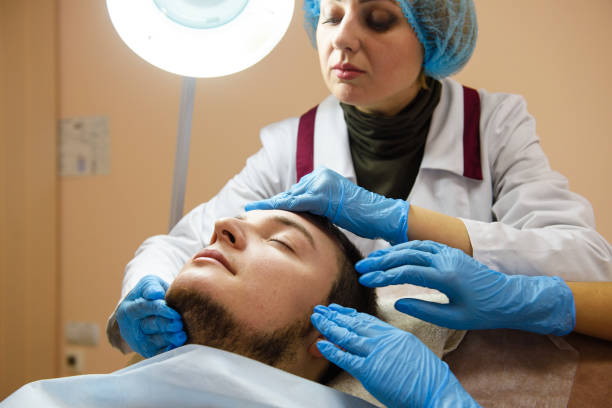
Beard hair transplants have become a popular solution for individuals looking to enhance facial hair growth, fill in patchy areas, or create a fuller, well-defined beard. For those considering Beard Hair Transplant in Abu Dhabi, many people want to know exactly how soon they can expect to see noticeable improvements. Understanding the growth timeline and healing process can help set realistic expectations and reduce anxiety after the procedure.
The Beard Hair Transplant Process
A beard hair transplant involves extracting healthy hair follicles from a donor area, typically the scalp, and implanting them into areas of the face where growth is sparse or uneven. Each follicle is carefully placed at the correct angle and direction to create a natural-looking beard.
While the procedure itself can take several hours depending on the number of grafts, the timeline for visible results extends beyond the immediate post-procedure period. Patience is key, as hair follicles need time to adjust and begin growing in their new location.
Immediate Results: What to Expect
Right after the transplant, the treated area may show the newly implanted hair follicles, giving the impression of immediate coverage. However, this initial appearance is not reflective of the final results. Small scabs may form around the implanted follicles as the skin begins to heal, and mild redness or swelling is normal.
At this stage, the hair follicles are in a sensitive phase, and proper care is essential to ensure their survival. Although it may appear that hair is present, most of these initial hairs fall out within the first few weeks—a process known as shock loss. This is a normal part of the healing and regrowth process.
Early Growth Phase
After the initial shedding, the transplanted follicles enter a resting phase, which typically lasts a few weeks. During this period, there may be minimal visible growth, which can sometimes feel discouraging for individuals eager to see results.
New hair growth usually begins around two to three months after the procedure. At first, the hairs are fine and lighter in color, but they gradually thicken and darken over time. The early growth phase is a crucial period, as the follicles establish themselves and adapt to their new location on the face.
Notable Improvements in Density
By around three to six months post-procedure, most individuals start to notice visible changes in beard density. The transplanted hairs begin to fill in previously sparse areas, creating a more uniform and natural appearance.
During this period, the direction and angle of hair growth become more defined, and the beard starts to take shape. While some areas may still appear thinner than others, the overall improvement is usually significant enough to be noticeable in social and professional settings.
Achieving Full Results
The full effect of a beard hair transplant typically becomes apparent around 12 months after the procedure. By this time, the transplanted hairs have fully integrated with existing facial hair and have reached their natural thickness and density.
The final result is a permanent increase in beard coverage, allowing individuals to style and maintain their beard with greater confidence. Patience is essential, as rushing the process or expecting immediate results can lead to unnecessary frustration.
Factors Affecting Growth Timeline
Several factors can influence how quickly results become visible. Individual hair growth cycles, genetics, and skin type all play a role in determining the speed and thickness of new hair.
Additionally, the number of grafts transplanted and the precision of placement affect the overall density and evenness of growth. Proper post-procedure care, including gentle cleansing and avoiding unnecessary friction or pressure, can help optimize results and support faster, healthier growth.
Psychological Considerations
Understanding the expected timeline can help manage expectations and reduce anxiety during the regrowth period. Some individuals may feel impatient during the early months, especially as transplanted hairs initially fall out before regrowth begins.
Being aware that shedding is a normal part of the process and that new growth will gradually emerge helps maintain confidence in the procedure. Visualization techniques and tracking progress with photos can also make the waiting period more manageable and rewarding.
Tips for Supporting Hair Growth
While the hair follicles themselves determine long-term growth, certain practices can support healthy development in the early stages. Maintaining a clean and protected beard area, avoiding harsh friction, and allowing the transplanted hairs to grow naturally all contribute to optimal results.
Consistency and patience are key. Most individuals find that following recommended care routines helps minimize setbacks and promotes a smooth regrowth timeline, ensuring the beard reaches its full density over the expected period.
FAQs About Beard Hair Transplant Results Timeline
When will I see the first signs of new hair?
Initial growth often begins around two to three months after the procedure, although the hairs are typically fine and light at first.
Why do transplanted hairs fall out initially?
This temporary shedding, known as shock loss, is a normal part of the healing process. It allows follicles to enter a growth phase in their new location.
How long does it take to achieve full beard density?
Full results are usually visible around 12 months post-procedure, once transplanted hairs have thickened and integrated with existing facial hair.
Will all transplanted hairs grow at the same rate?
Growth rates can vary slightly among individual follicles due to natural differences in hair cycles, but most hairs eventually reach similar thickness and density.
Can anything speed up results?
Patience is the most important factor. Supporting the transplanted area with proper care and avoiding irritation helps ensure optimal growth but does not drastically change the natural timeline.
Is the increase in beard density permanent?
Yes. Once the follicles have established themselves, they continue to grow naturally and permanently, providing long-lasting improvement in beard coverage.
Seeing results from a beard hair transplant is a gradual process that requires patience and proper care. While initial shedding may cause concern, new hair typically begins to grow within a few months, with noticeable improvements in density by the three- to six-month mark. Full results generally appear around one year after the procedure, offering a natural, permanent, and fuller beard that enhances overall appearance and confidence.