Creating an effective dermatological treatment plan requires a combination of expertise, personalized assessment, and strategic planning. The best dermatologists in the field focus on delivering tailored solutions that address individual skin concerns, ensuring optimal results and patient satisfaction. This article explores the step-by-step process that the top dermatologists follow to develop comprehensive treatment plans that are both effective and sustainable.
Understanding the Initial Consultation
Comprehensive Skin Assessment
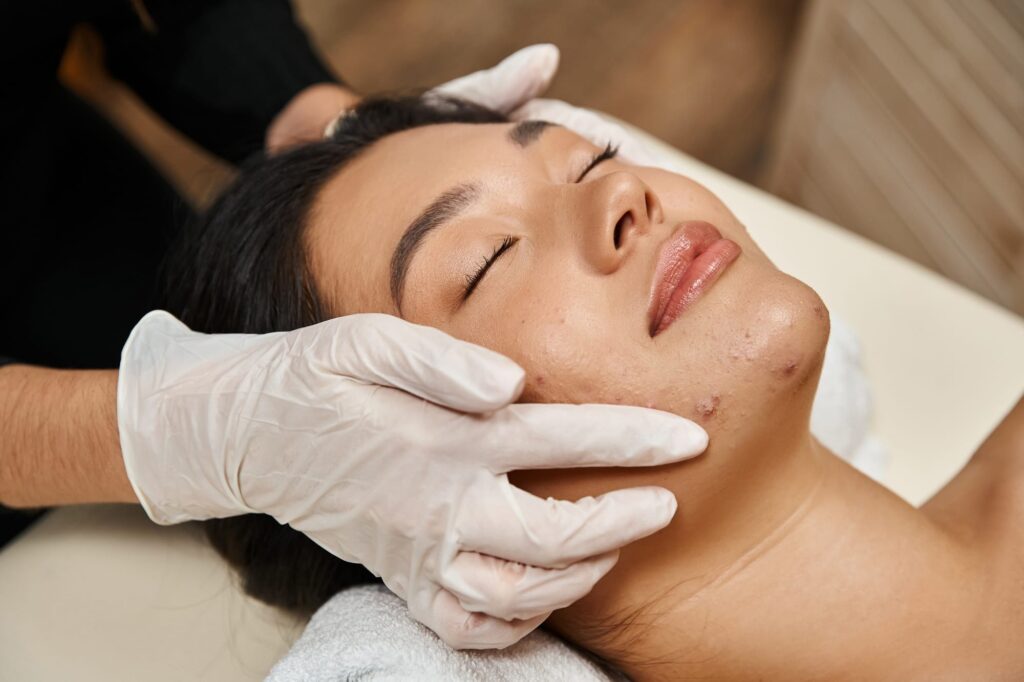
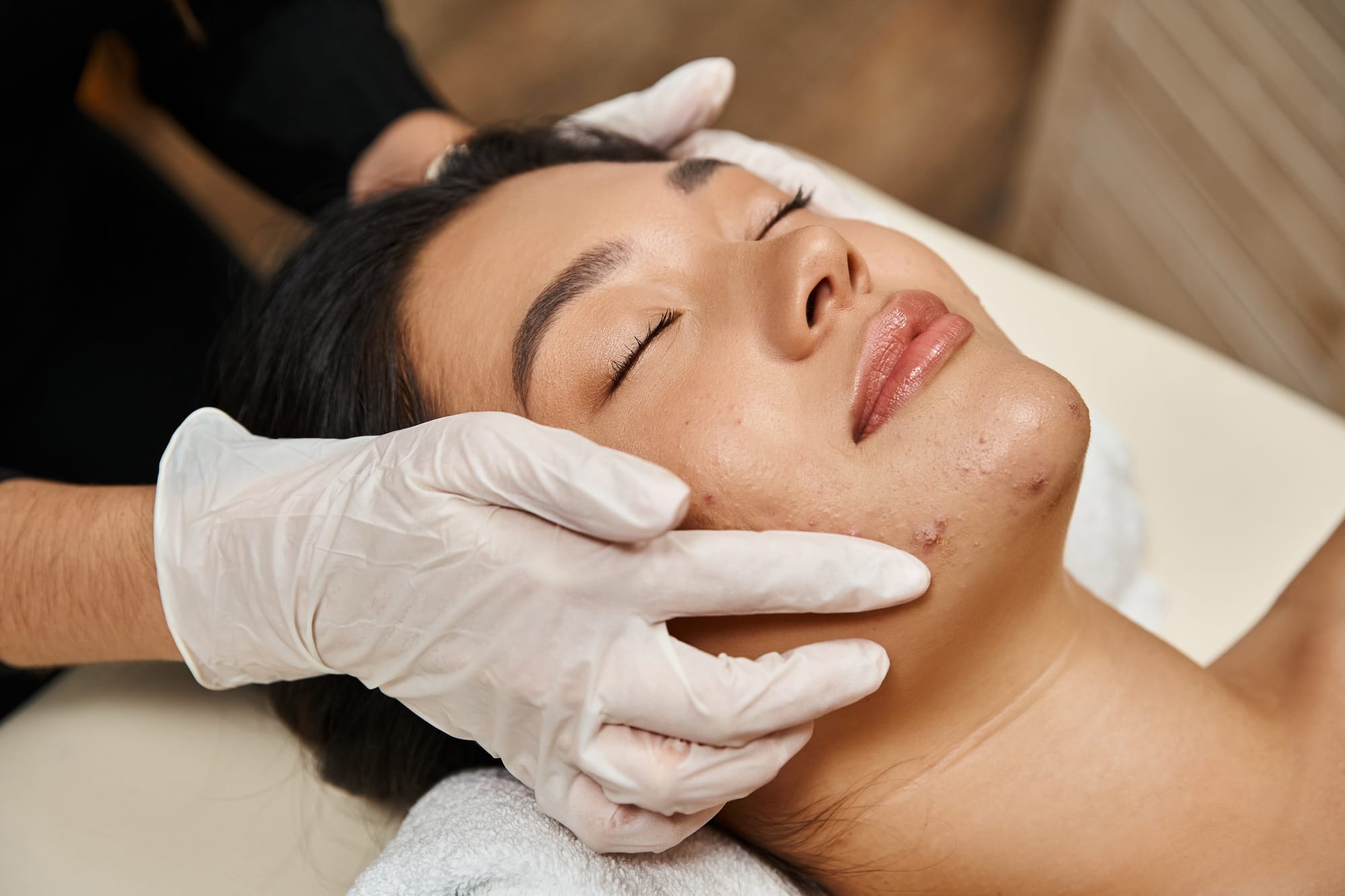
The foundation of any successful treatment plan begins with a thorough skin evaluation. The Best Dermatologist in Abu Dhabi conduct detailed examinations to understand the patient’s skin type, condition, and underlying issues. This assessment helps identify the primary concerns and potential contributing factors, such as lifestyle, environmental exposure, or genetic predispositions.
Medical History and Lifestyle Review
A vital component of the consultation involves reviewing the patient’s medical history and lifestyle habits. This includes examining previous skin treatments, allergies, and skincare routines. Understanding these aspects allows the dermatologist to tailor recommendations that align with the patient’s overall health and daily habits.
Personalized Diagnosis and Problem Identification
Identifying Skin Conditions
Accurate diagnosis is crucial for effective treatment. The dermatologist evaluates symptoms, visual signs, and sometimes utilizes diagnostic tools to determine specific skin conditions, such as acne, eczema, psoriasis, or pigmentation issues. This precise identification guides the development of targeted treatment strategies.
Recognizing Underlying Causes
Beyond surface-level symptoms, the best dermatologists investigate potential underlying causes. These may include hormonal imbalances, nutritional deficiencies, or environmental factors. Addressing root causes ensures more sustainable and long-lasting results.
Developing a Customized Treatment Strategy
Setting Realistic Goals
The dermatologist collaborates with the patient to set clear, achievable goals. Whether it’s improving skin texture, reducing pigmentation, or managing chronic conditions, defining objectives helps in designing a focused treatment plan tailored to the patient’s expectations.
Selecting Appropriate Treatments
Based on the diagnosis and goals, the dermatologist selects suitable treatment modalities. These may range from topical medications and skincare products to advanced procedures such as laser therapy, chemical peels, or microneedling. The selection considers the patient’s skin type, severity of the condition, and desired outcomes.
Combining Multiple Approaches
Often, a combination of treatments yields the best results. The dermatologist creates a multi-faceted plan that integrates various therapies to enhance efficacy, minimize downtime, and optimize recovery. This holistic approach ensures comprehensive skin health management.
Creating a Step-by-Step Implementation Plan
Phase-Wise Treatment Scheduling
A well-structured plan includes phased treatments to allow proper healing and assessment of progress. The dermatologist delineates each phase with specific timelines, treatment types, and expected outcomes, enabling smooth progression and adjustments if necessary.
Incorporating Skincare Regimens
Alongside procedural treatments, personalized skincare routines are emphasized. The dermatologist recommends suitable cleansers, moisturizers, sunscreens, and active ingredients to support ongoing skin health and complement in-clinic procedures.
Monitoring and Adjustments
Continuous monitoring is essential to evaluate treatment effectiveness. Follow-up appointments are scheduled to assess progress, address concerns, and modify the plan as needed. This adaptive approach ensures the treatment remains aligned with the patient’s evolving skin condition.
Patient Education and Lifestyle Recommendations
Educating Patients
The best dermatologists prioritize patient education. They explain the nature of skin conditions, treatment expectations, and the importance of adherence to prescribed regimens. Well-informed patients are more likely to follow through with their treatment plans and achieve desired results.
Lifestyle Modifications
In addition to topical and procedural treatments, lifestyle changes are often recommended. These include dietary adjustments, stress management, sun protection, and avoiding skin irritants. Such modifications support the longevity of treatment outcomes.
Ensuring Safety and Effectiveness
Personalization and Precaution
Each treatment plan is tailored specifically to the individual, ensuring safety and maximizing effectiveness. Precautions are taken to minimize adverse effects while optimizing results, with the dermatologist closely supervising the process.
Follow-Up and Long-Term Care
Long-term skin health is maintained through regular follow-ups, maintenance treatments, and ongoing skincare. The best dermatologists emphasize a proactive approach, helping patients sustain healthy, radiant skin over time.
Conclusion
The process by which the best dermatologist creates treatment plans is meticulous, personalized, and strategic. It involves understanding each patient’s unique needs, diagnosing accurately, and implementing a phased, multi-modal approach to achieve optimal skin health. By prioritizing education, safety, and continuous monitoring, top dermatologists ensure their patients receive effective, sustainable solutions tailored to their individual skin concerns.
FAQs
Q1: How does a dermatologist determine the most suitable treatment plan for my skin condition?
A dermatologist assesses your skin through thorough examinations, medical history review, and diagnostic tools if necessary. They consider your skin type, condition severity, lifestyle, and goals to craft a personalized plan.
Q2: Can a treatment plan be adjusted over time?
Yes, treatment plans are dynamic and can be modified based on your progress, response to treatments, and any new concerns that may arise during follow-up visits.
Q3: Why is patient education important in dermatology treatments?
Patient education ensures you understand your skin condition, treatment expectations, and how to care for your skin post-procedure, leading to better adherence and results.
Q4: What role do lifestyle changes play in skin health?
Lifestyle modifications such as proper sun protection, a balanced diet, and stress management support the effectiveness and longevity of dermatological treatments, promoting overall skin wellness.