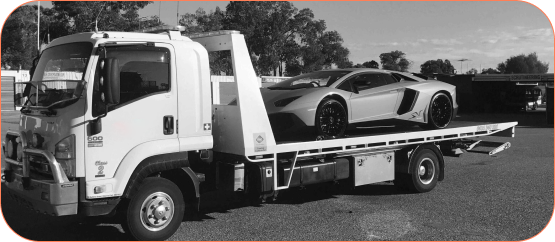
Cars play a major role in daily life across Australia. Many people depend on them for work, family needs, and travel. Yet vehicle ownership does not end when a car stops running. The cash-for-cars industry steps in at that point and shapes what happens next. One of its most important roles is keeping spare parts within reach for everyday drivers.
This article explains how this industry works, why it matters, and how it supports parts supply across the country. The focus stays on facts and real processes without moving away from the main topic.
Understanding the Cash-for-Cars Industry
The cash-for-cars industry deals with vehicles that no longer suit road use. These cars may be old, damaged, or too costly to repair. Instead of sitting unused, they enter a system where parts and materials get reused.
This industry operates through vehicle collection, dismantling, and recycling. Each step supports the supply of spare parts that still have usable life.
Why Used Parts Matter in Australia
Australia has a wide mix of car models on the road. Many older models still run well but need replacement parts from time to time. New parts may not always suit every budget or may no longer be made for older vehicles.
Used parts fill this gap. Engines, gearboxes, doors, mirrors, and suspension parts often come from dismantled vehicles. These parts help keep cars on the road longer.
Without a steady flow of used parts, many vehicles would leave the road sooner.
How Vehicles Get Assessed
When a car enters the cash-for-cars system, it gets assessed. Workers check which parts still function and which parts have reached the end of use. This process follows clear steps.
Parts that show wear or damage go to recycling. Parts that still meet safety and performance standards get removed for resale. This careful sorting supports parts supply without risk.
Mileage and Wear Patterns
Mileage plays a major role in part reuse. Cars with lower mileage often have engines and transmissions that still perform well. These parts get reused in other vehicles with similar models.
High mileage cars still supply panels, lights, interior fittings, and wheels. Even when engines no longer suit reuse, other parts still serve a purpose.
This wide use of parts keeps supply steady across many vehicle types.
The Link Between Supply and Pricing
Parts pricing follows supply levels. When more vehicles enter dismantling yards, more parts enter the market. This balance keeps prices stable for drivers and repair shops.
If fewer cars get scrapped, part supply tightens. This pushes prices upward and limits options. The cash-for-cars industry keeps this balance in place by maintaining a steady flow of vehicles.
Supporting Local Repair Shops
Local repair shops rely on used parts for many jobs. These parts help owners repair vehicles that might otherwise sit unused.
Mechanics often search for matching parts from dismantled vehicles rather than ordering new stock. This approach keeps older cars running and supports local trade.
The industry acts as a silent partner to workshops across cities and regional areas.
Environmental Impact and Part Reuse
Reusing parts reduces waste. Each reused engine or door means fewer materials go to landfill. It also reduces demand for new manufacturing.
Producing new car parts uses energy, raw materials, and transport. Reuse lowers this demand and supports resource balance.
This environmental role supports long-term sustainability within the vehicle sector.
Steel, Aluminium, and Recycling Flow
Parts that cannot get reused still hold material worth. Steel, aluminium, and copper get recovered through recycling. These materials return to manufacturing supply chains.
This process keeps metal flow active and reduces the need for new mining. The cash-for-cars industry links part reuse with material recovery.
Both paths support resource use without waste.
Model Popularity and Parts Demand
Some car models stay common on Australian roads for many years. These models create steady demand for parts. Dismantling yards often focus on these vehicles due to ongoing need.
Rare models may face less demand, yet they still supply parts to specific owners and collectors. This variety keeps the parts market diverse.
The industry adapts based on vehicle trends and road usage.
Rules and Safety Standards
Australia has rules around part reuse. Safety-related parts must meet standards before resale. Items like airbags and braking components receive close checks.
This process protects drivers while keeping parts available. It also builds confidence in used parts across the market.
Storage and Inventory Management
Dismantling yards store thousands of parts at any given time. Proper storage prevents damage and rust. Parts get catalogued based on model, year, and condition.
This organised approach allows repair shops and owners to locate parts that match their needs.
Inventory flow supports steady availability.
The Role of Transport and Location
Location affects part movement. Urban areas see higher vehicle intake and faster turnover. Regional areas rely on transport links to move parts where needed.
The cash-for-cars industry connects these areas and balances supply across regions.
A Local Example Within This System
In North Queensland, vehicle owners often turn to local services when cars no longer suit the road. Cash 4 Cars Townsville operates within this wider system by handling end-of-life vehicles and feeding usable parts back into the local market. Through Cash for Cars Townsville, vehicles move from private ownership into dismantling yards where parts get reused and materials recycled. This process supports parts supply for everyday drivers and keeps repair options open across the region.
Keeping Older Cars Running Longer
Many Australian drivers prefer to keep older cars running. Familiarity, maintenance history, and cost control all play a role.
Used parts allow these cars to stay active. Without this supply, many vehicles would leave the road earlier than needed.
The industry supports longer vehicle life cycles.
Economic Stability for Drivers
By keeping parts within reach, the industry supports household budgets. Repairs become more manageable, and owners avoid early replacement.
This stability matters in both urban and regional communities where transport options vary.
Looking Ahead
As vehicle technology changes, the industry will adapt. Hybrid and electric vehicles bring new parts and materials into the system.
The core role will remain the same. Reuse what still works. Recycle what does not.
Closing Thoughts
The cash-for-cars industry plays a quiet but vital role in Australia. It supports spare parts supply, local repair shops, and environmental balance.
By keeping parts circulating, it helps drivers maintain vehicles without pushing them toward early replacement. This system supports everyday transport needs across the country and keeps cars on the road for longer.