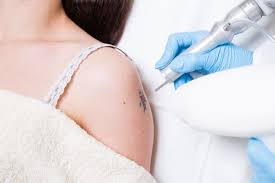
When considering Laser Tattoo Removal in Riyadh, understanding how to properly care for your skin after each session is essential for achieving the best possible results. The removal process involves breaking down tattoo ink with laser technology, which temporarily affects the skin’s surface and underlying layers. Proper aftercare not only promotes healing but also minimizes risks such as scarring, infection, and discoloration.
This article will guide you through effective skin care routines after laser treatments, addressing common concerns and providing helpful tips to support recovery. Whether you’re pursuing complete tattoo removal or fading for a cover-up, learning the right aftercare steps will ensure your skin stays healthy and your results look their best.
What Happens to Your Skin After Laser Tattoo Removal?
Laser tattoo removal works by delivering high-intensity light pulses into the skin, targeting ink particles embedded in the dermis. These light pulses shatter the ink into smaller fragments, which your body’s immune system gradually clears.
After a session, your skin typically appears red, swollen, and sensitive—much like a mild burn or sunburn. Small blisters or scabbing may develop, signaling that your skin is healing, but it also means extra care is needed to avoid complications.
Key Points:
-
The laser breaks down ink but also causes skin inflammation.
-
Redness, swelling, and blistering are normal temporary effects.
-
Proper aftercare protects skin during the delicate healing phase.
Immediate Steps to Take After a Laser Tattoo Removal Session
Right after your laser session, your skin is vulnerable and needs gentle handling. Here’s what you should do immediately to support healing:
Keep the Area Clean and Dry
Gently cleanse the treated area with mild soap and lukewarm water. Avoid scrubbing—pat dry with a soft towel instead.
Apply a Cooling Compress
Using a cool, damp cloth can reduce swelling and relieve discomfort. Avoid ice directly on the skin to prevent frostbite.
Use an Antibacterial Ointment
A thin layer of antibacterial cream helps prevent infection while the skin repairs itself.
Avoid Tight or Irritating Clothing
Try to wear loose, breathable fabrics to avoid friction on the treated skin.
Key Points:
-
Cleanse carefully using mild soap and lukewarm water.
-
Cooling compresses soothe inflammation and redness.
-
Applying antibacterial ointment minimizes infection risk.
-
Loose clothing prevents irritation during healing.
Protect Your Skin from the Sun
One of the most crucial aspects of aftercare is shielding your skin from ultraviolet (UV) radiation. The treated area is especially sensitive and prone to hyperpigmentation if exposed to sunlight too soon.
Always Use Broad-Spectrum Sunscreen
Choose a sunscreen with SPF 30 or higher and reapply every two hours when outdoors.
Stay Out of Direct Sunlight
Limit sun exposure as much as possible for at least two weeks after your session.
Key Points:
-
UV protection prevents darkening of healing skin.
-
Apply high-SPF sunscreen regularly on treated areas.
-
Avoid direct sunlight to reduce pigmentation risks.
Moisturize to Promote Skin Recovery
Keeping the skin hydrated after laser treatment accelerates healing and reduces itching or dryness. Choose fragrance-free, gentle moisturizers recommended by your provider.
Apply Moisturizer Regularly
A light layer applied 2-3 times daily will maintain optimal moisture without clogging pores.
Avoid Heavy or Irritating Products
Steer clear of lotions with alcohol, fragrances, or harsh chemicals that can exacerbate irritation.
Key Points:
-
Moisturizing prevents dryness and supports skin regeneration.
-
Use gentle, fragrance-free products only.
-
Moisturize consistently for best results.
Manage Discomfort and Itching Carefully
Mild pain or itching is common as your skin heals. Manage these symptoms without disrupting recovery.
Use Over-the-Counter Pain Relievers
Nonsteroidal anti-inflammatory drugs (NSAIDs) like ibuprofen can reduce pain and swelling.
Resist the Urge to Scratch or Pick
Scratching or peeling off scabs can lead to scarring or infection.
Consider Calming Products
Aloe vera gel or cooling gels can soothe itchy, irritated skin.
Key Points:
-
NSAIDs help reduce pain and swelling.
-
Avoid scratching to prevent scars.
-
Use soothing gels or aloe for itch relief.
Signs You Should Contact a Professional
While most side effects resolve naturally, certain symptoms warrant medical attention to avoid complications.
Watch for Signs of Infection
Increased redness, warmth, pus, or fever may indicate an infection.
Excessive Swelling or Persistent Pain
If swelling or pain worsens after several days, seek advice.
Abnormal Skin Changes
Noticeable blistering, crusting, or skin discoloration requires evaluation.
Key Points:
-
Severe redness, warmth, or pus suggests infection.
-
Prolonged pain and swelling need professional assessment.
-
Report unexpected skin changes immediately.
Final Thoughts
Proper post-session care plays a crucial role in maximizing the effectiveness and safety of Laser Tattoo Removal in Riyadh. Following these guidelines helps your skin heal smoothly, reduces risks, and supports clearer, more vibrant results.
If you are considering this treatment or currently undergoing sessions, partnering with a trusted medical provider ensures you get personalized care instructions and professional support. When ready, consider Enfield Royal Saudi for expert guidance and advanced laser tattoo removal services tailored to your skin’s needs.
FAQs
Q1: How soon after a laser tattoo removal session can I shower?
You can shower gently within 24 hours after your session, using lukewarm water and mild soap. Avoid scrubbing or hot water.
Q2: Is it normal to get blisters after laser tattoo removal?
Yes, small blisters are a common healing reaction. Do not pop them and keep the area clean.
Q3: How long does the redness last after laser tattoo removal?
Redness typically subsides within a few days to a week, depending on your skin type and treatment intensity.
Q4: Can I apply makeup over the treated area during healing?
It’s best to avoid makeup until your skin has healed completely to prevent irritation or infection.
Q5: How long should I avoid sun exposure after treatment?
Avoid direct sunlight on the treated area for at least two weeks and always use sunscreen when outdoors.
Q6: When can I schedule my next laser tattoo removal session?
Sessions are usually spaced 6 to 8 weeks apart to allow full skin recovery before the next treatment.