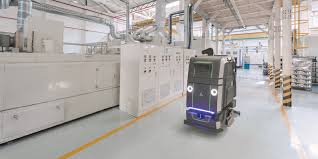
Choosing the best robot floor cleaner is no longer just about convenience—it’s about efficiency, performance, and long-term value. As robotic cleaning technology continues to advance, today’s robot floor cleaners are smarter, more powerful, and more adaptable than ever before. However, with so many models and features available, selecting the right one for your space can feel overwhelming.
Whether you’re managing a home, office, retail space, or commercial facility, understanding what truly matters will help you invest in a robot floor cleaner that delivers consistent results and reliable performance.
Understand Your Space and Cleaning Needs
The first step in choosing the best robot floor cleaner is evaluating the environment where it will be used. Different spaces demand different cleaning capabilities.
Smaller residential spaces may require compact robots with basic navigation, while larger homes, offices, or commercial areas benefit from machines with advanced mapping, longer battery life, and recharge-and-resume functionality. Consider the total floor area, layout complexity, and the presence of obstacles such as furniture, equipment, or narrow passages.
Traffic levels also play a major role. High-traffic areas accumulate dust and debris more quickly and require stronger suction, frequent cleaning cycles, and intelligent route optimization.
Floor Type Compatibility Matters
Not all robot floor cleaners perform equally across different floor types. Before choosing a model, identify the primary surfaces in your space—hardwood, tile, vinyl, laminate, concrete, or mixed flooring.
The best robot floor cleaners automatically adjust suction power and cleaning modes depending on the surface. Some models excel at hard floors and fine dust, while others are designed to handle carpets, pet hair, or industrial debris. For mixed environments, look for multi-surface compatibility and smart sensors that recognize floor transitions.
Choosing the wrong cleaner for your floor type can lead to poor results and unnecessary wear.
Navigation and Mapping Technology
One of the most important features separating basic models from the best robot floor cleaners is navigation technology. Advanced robots use LiDAR, visual sensors, or AI-powered mapping to create accurate floor plans of your space.
Smart navigation ensures systematic cleaning rather than random movement. It allows the robot to avoid obstacles, clean edges efficiently, and cover every area without repetition. High-end models also remember multiple floor plans, making them ideal for multi-level homes or commercial facilities.
Precise mapping improves cleaning efficiency and saves time, energy, and battery life.
Battery Life and Coverage Area
Battery performance directly impacts how effective a robot floor cleaner will be. Entry-level models may run for 60–90 minutes, while advanced units can operate for 120 minutes or more on a single charge.
For larger spaces, recharge-and-resume functionality is essential. This feature allows the robot to return to its charging dock automatically and continue cleaning where it left off. Without it, larger areas may never be fully cleaned in one cycle.
Always match battery capacity with the size of your space to ensure complete coverage.
Suction Power and Cleaning Performance
Suction power is a critical factor, especially for homes with pets or environments where dirt accumulates quickly. The best robot floor cleaners balance strong suction with intelligent power management.
Adjustable suction settings allow the robot to increase power in high-traffic zones and reduce it on delicate surfaces. For commercial or industrial settings, consistent debris removal and robust cleaning mechanisms are far more important than raw suction numbers alone.
Look for models that focus on real-world performance rather than marketing claims.
Smart Features and Connectivity
Modern robot floor cleaners often integrate with mobile apps, voice assistants, and smart home ecosystems. These features allow users to schedule cleanings, define no-go zones, monitor performance, and receive maintenance alerts.
For businesses and larger properties, smart connectivity enables better control and operational visibility. Some advanced models provide cleaning reports, usage data, and multi-device management—all valuable for maintaining cleaning standards consistently.
Smart features should enhance usability, not complicate it.
Maintenance and Long-Term Costs
Beyond the purchase price, maintenance plays a key role in determining long-term value. Regular tasks include emptying the dustbin, cleaning brushes, and replacing filters.
The best robot floor cleaners are designed for easy maintenance and use durable components to reduce downtime. Replacement part availability and cost should always be considered, especially for frequent-use environments.
A lower upfront price may not be cost-effective if maintenance expenses are high over time.
Durability and Build Quality
A robot floor cleaner is a long-term investment. Build quality determines how well it withstands daily use, especially in commercial or high-traffic environments.
Premium models feature reinforced components, reliable motors, and advanced sensors that maintain accuracy over time. Durability is especially important in environments where the robot operates daily or for extended hours.
Choosing a well-built machine reduces breakdowns and extends operational lifespan.
Safety and Obstacle Avoidance
Safety features such as cliff sensors, obstacle detection, and anti-collision technology are essential. The best robot floor cleaners navigate safely around stairs, furniture, cables, and people.
Advanced obstacle recognition helps prevent damage to both the robot and your surroundings. This is particularly important in offices, retail spaces, and homes with pets or children.
Reliable safety features also minimize interruptions during cleaning cycles.
Matching Features to Your Budget
Robot floor cleaners are available across a wide price range. Entry-level models offer basic automation, while premium units deliver intelligent navigation, higher performance, and advanced control.
Rather than choosing the cheapest or most expensive option, focus on matching features to your actual needs. Paying for unnecessary features adds cost without real benefit, while underpowered models can lead to frustration and poor results.
The best robot floor cleaner is one that delivers consistent performance within your budget.
Final Thoughts
Choosing the best robot floor cleaner requires more than comparing prices or brand names. It involves understanding your space, floor types, traffic levels, and long-term expectations.
The most effective robot floor cleaners combine intelligent navigation, strong cleaning performance, durable construction, and user-friendly controls. When selected thoughtfully, they reduce manual effort, maintain consistent cleanliness, and deliver measurable value over time.
For those seeking reliable robotic cleaning solutions, investing in the right technology ensures cleaner floors, improved efficiency, and peace of mind.