Selecting the right car spray paint can turn a dull, worn-out vehicle into one that looks fresh and sharp. Whether you want to restore faded panels, switch to a new shade, or fix a scratch, your choice of spray paint will affect the final look and how long the finish lasts. Many car owners jump straight into painting without checking paint types, color codes, and compatibility. Taking time to pick the right product saves you extra work, wasted money, and disappointing results.
This guide walks you through how to choose the right spray paint for your vehicle, what to look for on labels, and how to avoid common mistakes.
Key Takeaways
- The right paint type depends on your vehicle’s surface, age, and desired durability.
- Color matching plays a major role in achieving a smooth, factory-like finish.
- Paint quality affects longevity, shine, and resistance to weather and scratches.
- Surface prep and compatibility with primers and clear coats influence final results.
- Budget, brand reputation, and your spraying equipment should guide your selection.
1. Decide Which Paint Type You Need
Car spray paints come in several formulas, each with its benefits and best uses. Your choice determines durability, shine level, ease of application, and curing time.
• Acrylic Lacquer
Acrylic lacquer gives a bright, high-gloss finish. Many vintage car owners use it because it delivers a crisp shine. It applies smoothly and dries fast, so beginners find it easy to handle. However, it doesn’t last as long under harsh sunlight and may need more frequent polishing or waxing.
• Acrylic Enamel
Acrylic enamel forms a hard shell once it cures. It suits daily-use cars because it stands up to UV rays and temperature changes better than lacquer. You can choose from single-stage enamel (color and gloss in one coat) or two-stage enamel (color coat plus clear coat for added depth).
• Urethane Paint
Urethane paint stays durable for years, resists fading, and holds up well against scratches and moisture. Professionals use it for long-term results. It costs more, and it requires proper safety gear due to the strength of its chemicals. If you want a finish that lasts many years, this option works well.
• Spray Can vs. Professional Paint Gun
Some paints come in aerosol cans while others need a spray gun. Aerosol cans suit small repairs or budget projects. Spray guns give stronger, more uniform coverage but need more skill and proper equipment.
2. Choose the Correct Finish
Spray paints come in different finish levels. Your car’s style and the look you want will guide your choice.
• Gloss
Gloss finishes shine brightly and make the paint appear deep and reflective. They highlight clean lines and curves.
• Satin
Satin finishes offer a soft shine and hide minor flaws on older surfaces.
• Matte
Matte finishes give a bold, flat appearance. They stand out, but they need more careful cleaning since dirt shows easily.
• Metallic
Metallic finishes include tiny metal flakes that catch the light. They create a sparkling effect. These paints must be applied evenly, or they may look patchy.
• Pearlescent
Pearlescent paints shift tones depending on the angle of light. They give a unique multi-layer appearance but cost more and require precise application.
3. Match the Color Correctly
Color is usually the biggest concern for car owners. To avoid mismatches, follow these steps:
• Find the Factory Color Code
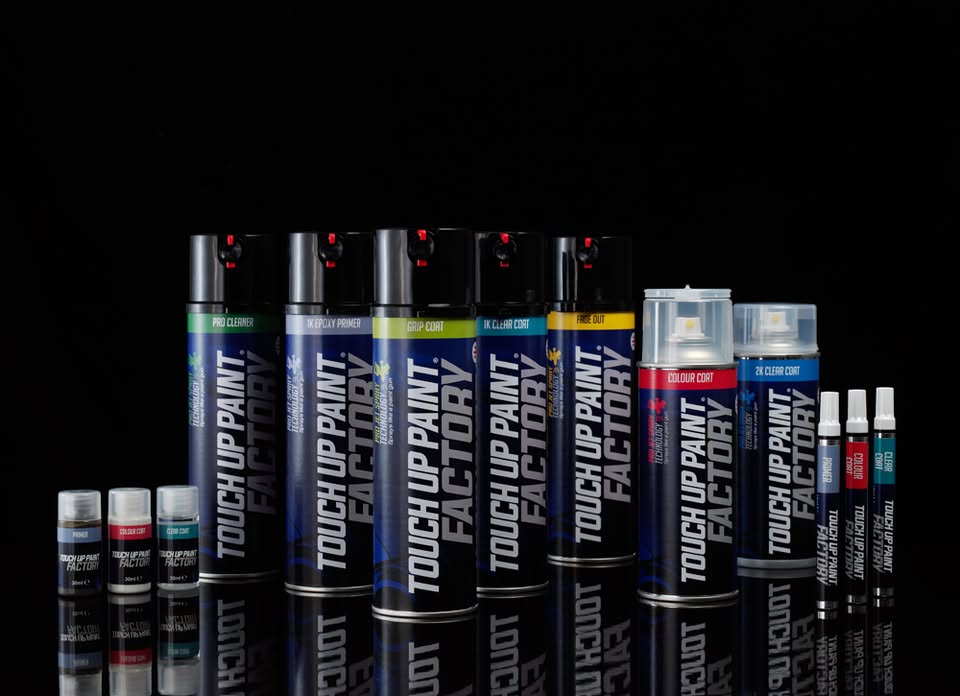
Most vehicles have a color code on the driver’s door jamb, under the hood, or in the trunk. Once you locate the code, you can buy paint that matches your car’s original shade. Touch Up Paint Factory offers color-matched options based on factory codes for thousands of vehicle models.
• Check Paint Brand Charts
Some brands provide color charts aligned with factory codes. Using the exact code ensures the new paint blends correctly with the existing surface.
• Consider Weathering
Older paint fades over time. If your car has sun-wear, the fresh paint may look brighter. Sometimes, a slightly adjusted shade produces a better match for older vehicles.
• Test With a Sample First
Spray a small amount on a test card and let it dry. Paint often looks different once it sets. A quick test saves you from painting an entire panel with the wrong color.
4. Check Paint Quality Before You Buy
Quality affects how long the paint lasts, how well it covers the surface, and how smooth the final finish looks.
• Look for UV Protection
Sunlight causes fading. Paint with UV-resistant additives keeps its tone longer.
• Check Scratch and Chip Resistance
Some paints resist road debris better than others. If you drive often, especially on gravel roads, go with a paint that offers tougher resistance.
• Check Drying and Curing Time
Short curing time allows faster finishing, but you should balance it with durability. Faster isn’t always stronger.
• Read Application Instructions
Check whether the paint needs a special primer or clear coat. Using products from the same brand often helps avoid chemical reaction issues.
5. Compare Brands and Reviews
Brand quality varies, and your car deserves a paint that performs well.
• Professional Brands
These usually cost more but provide consistent coverage, strong pigments, and long-lasting shine.
• Budget Brands
Budget cans may work for small touch-ups but may fade, peel, or lose shine faster. For full car jobs, step up to mid-tier or professional-grade products.
• User Reviews
Look for comments on durability, color accuracy, clog-free nozzles, and ease of spraying. Experienced users often share helpful tips about specific colors or formulations.
6. Confirm Compatibility With Primer and Clear Coat
Spray paint works best when paired with the right primer and clear coat.
• Primer
Primer helps the paint bond to the surface, evens out minor flaws, and prevents rust. Choose a primer made for automotive surfaces, not general household use.
• Sealers
Sealers improve color adhesion and block stains or old paint from bleeding through.
• Clear Coat
Clear coats protect the color from sunlight, scratches, and moisture. They also enhance shine. Urethane clear coats last the longest.
Make sure your primer, color, and clear coat work well together. Mixing products from different chemical families can cause bubbling or peeling.
7. Consider Your Car’s Surface Condition
Your vehicle’s condition influences the paint type and shade you should choose.
• New Cars
A new car with smooth panels can take almost any paint. High-gloss finishes look sharp on newer vehicles.
• Older Cars
Older surfaces may have scratches, faded patches, or oxidation. Satin or matte finishes hide imperfections better. High-build primer may also help smooth rough areas.
• Rusted Areas
Paint alone cannot fix rust. You must sand it away and apply rust-blocking primer before you repaint. If rust remains, the new paint may peel or bubble quickly.
8. Evaluate Your Budget
The cost of car spray paint varies widely. Factors like brand, paint type, and finish affect price.
• Low Budget
Aerosol cans offer an affordable option for spot repairs or small jobs. Just remember they may need more coats.
• Mid-Range
Mid-range urethane or enamel spray paints balance cost and durability.
• Higher Budget
High-end paints deliver strong pigmentation, excellent coverage, and long-term protection. They also pair well with advanced clear coats.
Think about the area you plan to paint. A small bumper needs less paint than a full body respray, so plan your budget accordingly.
9. Think About the Tools You Will Use
Spray guns provide better coverage and finer control than aerosol cans, but both tools serve different purposes.
• Aerosol Cans
Ideal for beginners and quick fixes. They don’t need compressors or hoses.
• HVLP Guns (High Volume Low Pressure)
HVLP guns reduce overspray and give smooth, even coats. They work well for full paint jobs.
• Airless Sprayers
These create a thick, strong layer but require skill and practice.
Choose your paint based on the tool you own or plan to use. Some paints work best with HVLP systems, while others come pre-thinned for aerosol use.
10. Factor in Weather and Working Conditions
Temperature and humidity affect paint performance.
Paint sticks best between 65–80°F (18–27°C). High humidity causes cloudiness or uneven texture. Cold weather slows curing and can make the paint look dull.
Pick a paint that suits the environment where you plan to work, and always check the label for recommended conditions.
11. Watch Out for Common Mistakes
Many beginners face the same issues when selecting spray paint.
• Choosing the Wrong Color
Skipping the color code leads to a mismatch.
• Ignoring Surface Prep
Even the best paint fails if applied over dirt, grease, wax, or rust.
• Buying Low-Quality Paint for Large Projects
Cheap paint often leads to frequent rework.
• Mixing Paint Types
Different formulas may react poorly, causing cracks or peeling.
Final Thoughts
The right car spray paint can refresh your vehicle’s appearance, boost its value, and help your panels stand up to weather and daily wear. Spend time choosing the right paint type, color, finish, and supporting products. When you match paint quality with proper tools and prep, you create a finish that looks sharp and lasts long.
FAQs
1. Can I use household spray paint on my car?
No. Household spray paint lacks the additives needed for automotive surfaces. It won’t bond well and may peel quickly.
2. How many cans do I need to paint a full car?
A typical car needs around 12–20 aerosol cans, depending on coverage and paint type. Using a spray gun reduces the amount needed because it applies paint more efficiently.
3. Can I skip using primer?
You shouldn’t. Primer improves adhesion and prevents issues like peeling, patchiness, and early fading.
4. How long should I wait between coats?
Most automotive spray paints need 10–20 minutes between coats. Always check the product instructions for the best timing.
5. Is urethane paint safe to use at home?
Urethane paint contains strong chemicals. Use it only in a well-ventilated space and wear proper protective gear, including a respirator mask.