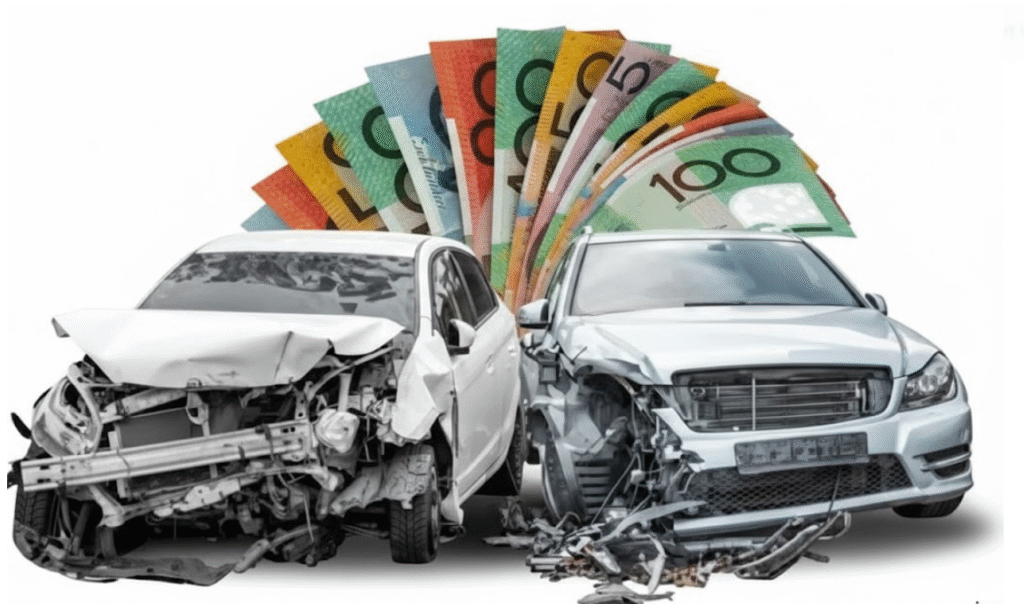
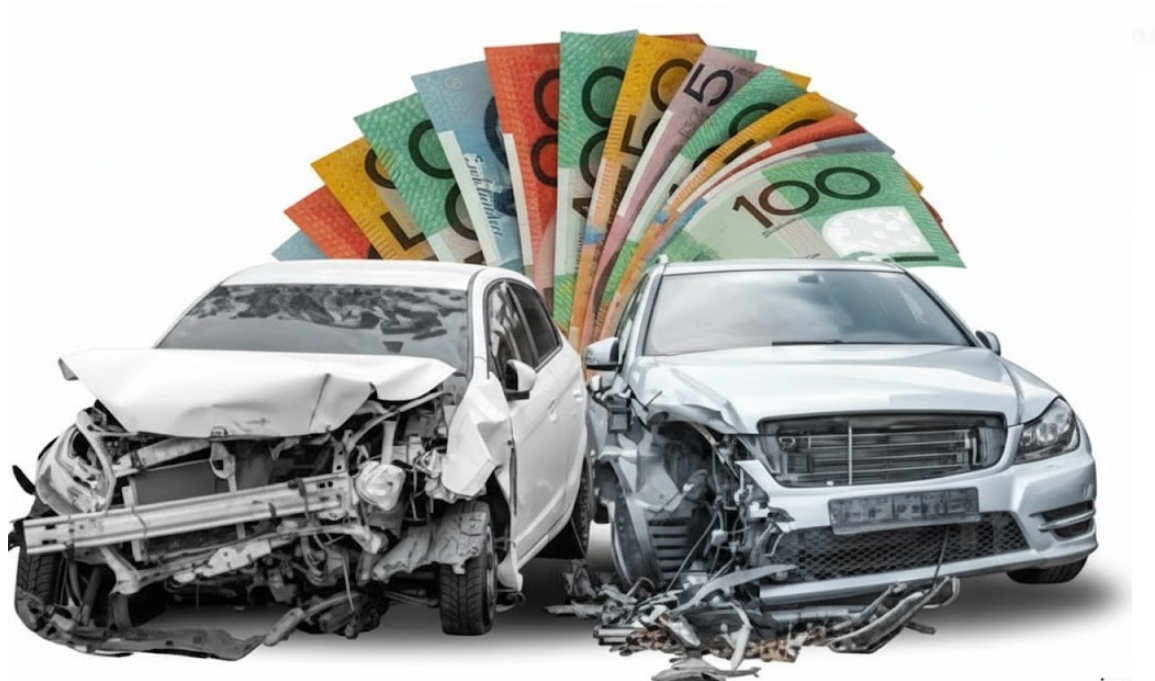
Selling an unwanted vehicle is something many people put off for months or even years. The idea of dealing with paperwork, tow trucks, and buyers can feel tiring before the process even starts. Many Gold Coast residents hold onto old utes, sedans, 4WDs, and damaged vehicles that no longer run well or no longer run at all. When a vehicle reaches that stage, selling it for cash can feel like the most sensible path. This guide explains every stage of the process in a clear and natural way, so you know how to get the best deal without drifting into confusion or unnecessary steps.
Why Many Gold Coast Owners Sell Unwanted Vehicles
The Gold Coast is full of daily commuters, families, tradespeople, and outdoor travellers. It is a region where vehicles experience long drives, salt air near coastal suburbs, and frequent use. Over time, these conditions take a toll. When a vehicle starts to require more attention than it is worth, many people turn to cash buyers.
There are several common reasons people reach this stage:
-
Mechanical issues become too expensive
-
The vehicle has been in an accident
-
It does not pass safety checks
-
The family grows and a larger vehicle becomes necessary
-
The vehicle has been sitting unused for months
-
There is no space left in the driveway or garage
Australia recycles millions of tonnes of metal every year through auto recycling yards. A large portion of this material comes from end-of-life vehicles. This means your unwanted vehicle still carries material worth even when it no longer drives.
Signs It Is Time To Sell Your Vehicle
You might feel unsure about whether your vehicle is ready to be sold. These signs usually point to that moment, especially when the situation fits what many owners look for when using cash for scrap cars gold coast services for older or worn vehicles.
Repair Bills Keep Rising
Older vehicles often come with repeated repair work. Engines can lose compression, gearboxes can slip, cooling systems can fail, and electrical problems can show up without warning. When repairs cost more than the vehicle itself, selling becomes the clearer choice.
The Vehicle Has Serious Accident Damage
A vehicle that has been in a major accident may appear fine on the outside, but its structure may no longer be safe. In many cases, insurers mark these vehicles as write-offs. They still hold metal and parts that can be reused or recycled, which gives them cash worth.
The Vehicle No Longer Starts
A non-running vehicle still contains steel, aluminium, copper, and parts that can be salvaged. This means it still holds monetary worth even when it cannot be driven.
The Vehicle Has Been Sitting for Too Long
Vehicles that sit unused for long periods tend to develop rust, tyre damage, and faults caused by weather exposure. Bringing such a vehicle back to running condition can cost more than selling it.
Lifestyle or Household Changes
People often change vehicles when their work patterns shift or their family size changes. If the vehicle no longer fits your routine, selling it helps you move on.
How Buyers Work Out Their Offers
Understanding how a buyer calculates the amount helps you prepare for the process.
Weight of the Vehicle
Metal weight plays a major role. Heavier vehicles such as 4WDs and older utes have more recoverable steel. Recycling workers break these vehicles down and send metal to mills, which reduces the need for fresh mining. Reports show that recycling one tonne of steel saves large amounts of iron ore and coal.
Demand for Spare Parts
Some makes and models have engines, radiators, alternators, and interior parts that remain in demand for years. Vehicles that carry sought-after components often bring a higher amount.
Current Scrap Metal Rates
Metal prices shift across the year. When metal rates rise, the amount you receive can rise as well. Checking market trends gives you an idea of what to expect.
General Condition
A running vehicle can provide more reusable parts, while a non-running vehicle may have fewer. Both still hold salvage worth, but the offer reflects the difference.
Documents You Need Before Selling
Having the right documents ready saves time.
Proof of Ownership
Buyers must confirm that the vehicle belongs to you. Registration papers or any document showing ownership is important.
Photo Identification
Queensland rules require buyers to record seller information during the transaction.
Removing Number Plates
Plates from a registered vehicle must be returned to the Department of Transport and Main Roads before or after the sale.
Clearing Personal Items
Remove paperwork, bags, toll tags, accessories, and anything else inside the vehicle. Once the tow truck leaves, you cannot access the vehicle again.
How To Prepare Your Vehicle for a Stronger Deal
You do not need to do anything major, but a few small actions help.
Be Honest When Giving Details
Describing the condition clearly helps the buyer prepare for collection and avoids changes to the offer later.
Remove Aftermarket Items
If you have upgraded audio systems, floor mats, screens, or seat covers, take them out if you plan to keep them.
Look at Scrap Market Trends
Knowing current metal rates helps you choose the right time to sell.
Make the Vehicle Presentable
You do not need to wash or polish it, but removing rubbish or loose items helps inspectors view its condition clearly.
What Happens During the Collection Process
Once you accept an offer, the pick-up stage begins.
Inspection on Arrival
The team checks the condition of the vehicle to confirm the details you provided.
Payment
Payment is provided before the tow truck loads the vehicle. Queensland transaction rules ensure everything is recorded properly.
Loading the Vehicle
Whether the vehicle runs or not, the team loads it. You do not need to assist.
Transporting the Vehicle
Once secured, the tow truck takes the vehicle to a recycling yard.
What Happens After Your Vehicle Reaches the Yard
A detailed recycling process begins once the vehicle is delivered.
Removal of Fluids
Engine oil, brake fluid, power steering fluid, coolant, and fuel are drained to avoid contamination.
Recovery of Parts
Parts that are still in good condition are removed for reuse. Workshops across Queensland rely on these parts for repair jobs.
Metal Recycling
The vehicle shell is crushed, shredded, and separated. Steel, aluminium, and other metals are then sent to mills. This reduces the demand for new mining and supports environmental conservation.
Reach out to discuss what your vehicle may be worth.https://jimmycashforcars.com.au/
How To Choose the Right Buyer on the Gold Coast
Choosing the right buyer ensures a smoother process.
Check Licensing
A genuine buyer must hold the correct Queensland licence for buying and removing vehicles.
Look at Customer Feedback
Online comments from previous sellers show how the buyer handles transactions.
Confirm Pick-Up Locations
Choose a buyer who collects from all Gold Coast suburbs, including inland and coastal regions.
Ask About Acceptable Vehicle Types
Some buyers specialise in heavy vehicles, commercial models, or 4WDs. If your vehicle matches their focus, the offer may reflect that.
Common Misunderstandings About Selling Unwanted Vehicles
Misunderstanding: Only Running Vehicles Can Be Sold
Non-running vehicles still hold metal and parts worth.
Misunderstanding: You Must Deliver the Vehicle
Tow trucks collect vehicles from your location.
Misunderstanding: A Very Old Vehicle Has No Worth
Metal weight alone gives these vehicles measurable worth.
Final Thoughts
Selling an unwanted vehicle on the Gold Coast does not need to feel confusing. When you know how offers are calculated, what documents you need, and what happens during collection and recycling, the process becomes far clearer. Many people choose this method each week through services connected to cash for unwanted cars gold coast, and the process supports both environmental recycling efforts and household budgets. With the right steps, you can move on from an unwanted vehicle while receiving a solid and fair outcome.