
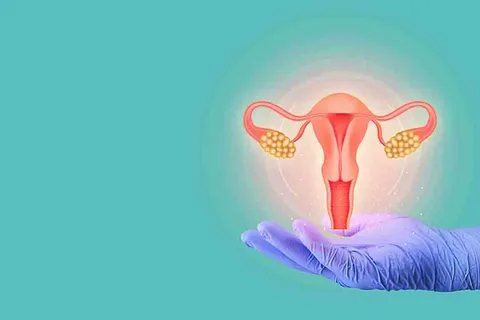
Reproductive health is an essential aspect of overall well-being, yet it is often overlooked in everyday healthcare discussions. Maintaining reproductive health is not just about preventing diseases or managing fertility it’s about ensuring your body functions optimally throughout every stage of life. From adolescence to menopause and beyond, understanding how to care for your reproductive system can help prevent complications, improve quality of life, and support long-term health. This article will guide you through strategies to maintain reproductive health at every stage of life.
Understanding Reproductive Health
Reproductive health encompasses the proper functioning of the reproductive organs, hormonal balance, sexual health, and fertility. It involves both physical and emotional aspects, as reproductive issues often affect mental well-being. Healthy reproductive function is influenced by lifestyle choices, nutrition, physical activity, stress management, and regular medical checkups. Early awareness and proactive care can make a significant difference in preventing problems such as infertility, hormonal disorders, and sexually transmitted infections (STIs).
Adolescence: Building the Foundation
Adolescence is a critical stage where reproductive systems develop, and establishing healthy habits early can have long-term benefits. During this stage:
- Understand Your Body: Learning about menstrual cycles, hormonal changes, and sexual health is crucial. Adolescents should feel comfortable discussing reproductive health with trusted adults or healthcare providers.
- Vaccinations: Vaccines like HPV (human papillomavirus) can prevent certain cancers and infections affecting reproductive organs.
- Healthy Lifestyle: Regular physical activity, a balanced diet, and adequate sleep support hormonal balance and reproductive development.
- Safe Practices: Education on safe sex practices and consent can reduce the risk of STIs and unintended pregnancies.
Young Adulthood: Maintaining Fertility and Sexual Health
Young adulthood often involves changes in relationships, career, and lifestyle, which can influence reproductive health. Key considerations include:
- Regular Checkups: Annual gynecological exams for women and urological checkups for men help detect early issues. Screening for STIs is essential for sexually active individuals.
- Balanced Nutrition: Nutrients like folic acid, zinc, and omega-3 fatty acids support reproductive health. For women, folic acid is crucial before conception to prevent birth defects.
- Stress Management: High stress levels can disrupt hormonal balance and affect fertility. Techniques such as yoga, meditation, and mindfulness can help.
- Contraception: Using effective contraception allows individuals to plan pregnancies and reduce health risks.
Pregnancy and Parenthood: Protecting Reproductive Health
Pregnancy places unique demands on the reproductive system. Proper care during this stage ensures the health of both the parent and child:
- Prenatal Care: Regular visits to healthcare providers ensure early detection of complications such as gestational diabetes or preeclampsia.
- Nutrition and Hydration: A diet rich in vitamins, minerals, and protein supports fetal development and maternal health.
- Exercise: Safe, moderate exercise can improve circulation, reduce stress, and maintain a healthy weight.
- Avoid Harmful Substances: Smoking, alcohol, and certain medications can negatively affect pregnancy outcomes and should be avoided.
Postpartum care is equally important, including monitoring for infections, hormonal changes, and mental health challenges such as postpartum depression.
Midlife: Navigating Hormonal Changes
Midlife brings hormonal shifts that can affect reproductive health in both men and women. For women, menopause leads to a natural decline in estrogen, which can cause symptoms like hot flashes, mood swings, and vaginal dryness. Men may experience gradual testosterone decline, affecting libido and fertility. Strategies to maintain health include:
- Regular Screenings: Mammograms, pelvic exams, prostate checks, and bone density tests are essential.
- Healthy Lifestyle: Weight management, regular exercise, and a nutrient-rich diet support hormonal balance and cardiovascular health.
- Hormone Management: Consulting with a healthcare provider about hormone replacement therapy or other interventions may alleviate symptoms.
- Mental Health: Emotional well-being is critical during this transition. Counseling or support groups can be beneficial.
Older Adults: Sustaining Sexual and Reproductive Health
Even after reproductive years, maintaining reproductive health is important for overall well-being:
- Monitor Chronic Conditions: Conditions such as diabetes, heart disease, and obesity can impact sexual health. Managing these conditions supports reproductive system function.
- Stay Active: Regular physical activity improves circulation, libido, and energy levels.
- Open Communication: Discussing sexual health concerns with healthcare providers ensures proper management of age-related changes.
- Prevent Infections: Older adults are still susceptible to STIs; practicing safe sex remains relevant.
Tips for Reproductive Health Across All Ages
No matter the stage of life, certain habits consistently support reproductive health:
- Practice Safe Sex: Protect yourself from STIs and unplanned pregnancies.
- Eat a Balanced Diet: Focus on whole foods, lean proteins, fruits, vegetables, and healthy fats.
- Exercise Regularly: Strength training, cardio, and flexibility exercises promote overall and reproductive health.
- Limit Alcohol and Avoid Smoking: These substances can negatively impact fertility and hormonal balance.
- Manage Stress: Stress can disrupt hormonal regulation, so mindfulness, hobbies, and adequate rest are vital.
- Regular Medical Checkups: Early detection of reproductive issues ensures timely intervention.
Get Expert Gynecological Care from Dr. Sobia Mohyuddin
Conclusion
Maintaining reproductive health is a lifelong journey that requires awareness, proactive care, and healthy lifestyle choices. Each stage of life, adolescence, young adulthood, pregnancy, midlife, and older adulthood presents unique challenges and opportunities for care. By understanding your body, practicing safe habits, and seeking regular medical guidance, you can support reproductive function, fertility, and sexual health throughout life. Prioritizing reproductive health not only enhances quality of life but also contributes to long-term physical, emotional, and mental well-being.




One Response
Constant responsibility often leads to fatigue that sleep alone cannot fix. A men’s massage salon – https://senmasaz.cz/en/ offers a space for a complete emotional and physical reboot. Professional techniques lower stress levels and eliminate bodily stiffness. Immersed in privacy, you will regain the mental clarity and confidence needed for successful decision-making.