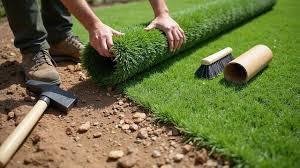
Preparing soil correctly is essential for creating a healthy and long-lasting lawn. Turf relies on firm contact with well-prepared soil to develop strong roots and grow evenly. Without proper preparation, even good-quality turf may struggle to establish. For homeowners purchasing lawn products online, correct soil preparation protects that investment and leads to consistent results.
Why Is Soil Preparation Essential Before Turf Installation?
Soil forms the foundation for lawn growth. Poorly prepared soil restricts root development and affects water movement. This often leads to uneven surfaces, patchy growth, and higher maintenance needs. Proper preparation improves drainage, supports nutrient absorption, and creates stable conditions for turf to settle. These factors support successful turf installation and long-term lawn performance.
Key Steps to Prepare Soil for Turf Installation
Preparing soil for turf involves a clear sequence of steps that improve stability, drainage, and root contact. Completing each step carefully helps create a surface that supports even growth and reliable lawn health.
Assessing Your Existing Soil
Start by assessing the soil already in place. Clay soils tend to retain water, while sandy soils lose moisture quickly. Compacted soil limits air flow and root movement. A simple test involves digging a small hole and filling it with water. Slow drainage indicates the need for soil improvement. This assessment guides the preparation process.
Removing Existing Grass, Weeds, and Debris
Clearing the area ensures the turf sits directly on prepared soil rather than unstable material. This step prevents future growth issues and uneven settling.
- Remove existing grass and surface vegetation
- Clear stones, roots, and loose debris
- Eliminate weeds to prevent regrowth beneath the turf
A clean base allows turf to establish evenly and reduces future problems.
Improving Soil Quality for Turf Growth
Healthy soil supports early root development and steady growth. Adding organic matter improves soil structure and helps balance moisture levels. Soil conditioners loosen heavy soil and improve drainage. Avoid strong fertilisers at this stage, as young turf responds better to gentle nutrient support that encourages root growth.
Levelling and Grading the Soil Surface
An even surface ensures turf sits flat and drains correctly. Poor levelling often results in pooling water and an uneven lawn appearance.
- Rake the soil to remove high and low spots
- Create a gentle slope away from buildings
- Adjust soil height to suit paths and edging
Accurate grading supports long-term surface stability and visual consistency.
Compacting and Moistening the Soil Properly
Soil should feel firm without becoming hard before turf is laid. Light compaction prevents sinking while allowing roots to grow freely.
- Apply light and even compaction
- Avoid excessive pressure that restricts roots
- Moisten soil until damp, not waterlogged
This preparation allows turf roots to connect with the soil immediately after laying.
Final Soil Checks Before Laying Turf
Final checks reduce installation errors and improve results.
- Confirm the surface is level and firm
- Remove any remaining debris
- Prepare the soil close to the turf delivery time
These steps support smooth turf installation and reduce the need for later adjustments.
Local Soil Considerations for Turf In Adelaide
Soils in South Australia often contain clay, which affects drainage and compaction. When preparing soil for turf in Adelaide adding organic matter improves water movement and root penetration. Selecting soil products suited to local conditions supports consistent lawn establishment and long-term performance.
Conclusion
Proper soil preparation creates the foundation for a strong and even lawn. By assessing soil, clearing debris, improving structure, and completing final checks, homeowners provide the right conditions for turf to thrive. Careful groundwork reduces maintenance needs and supports lasting lawn health.