Schooling is not just about dropping your child off at the school gate. It is a shared responsibility to help them succeed in their studies and to be happy and confident. Balancing these demands can feel overwhelming, especially when you are new to this. However, with a few simple changes at home, you can make this journey smoother and help your child bloom.
Effective Ways to Help Your Child Grow
Choosing the Right Environment
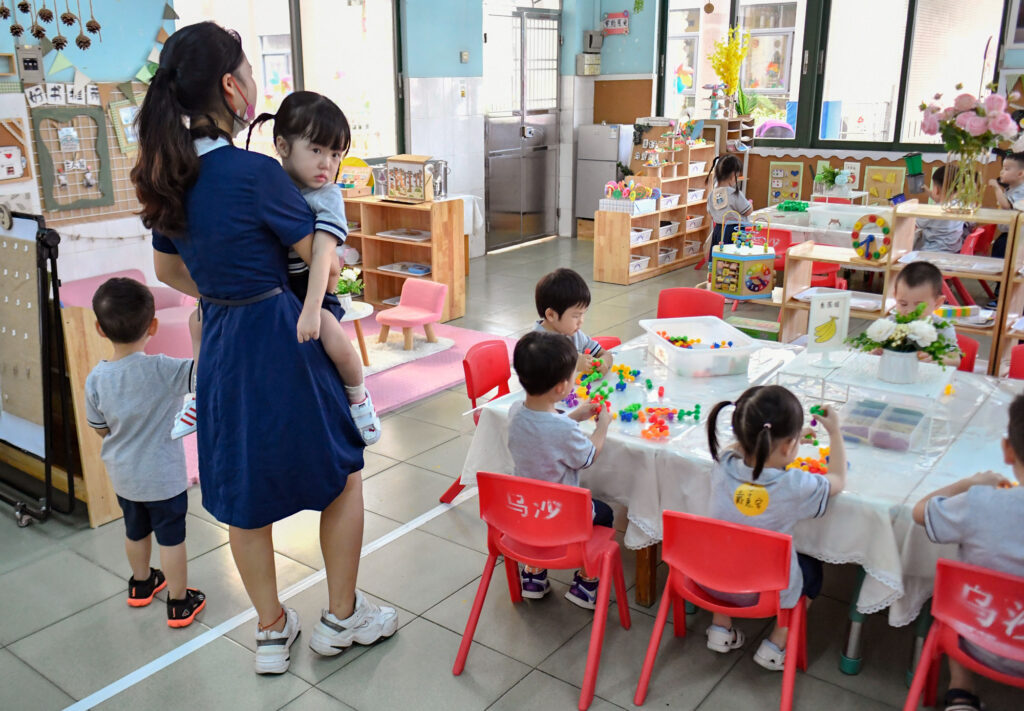
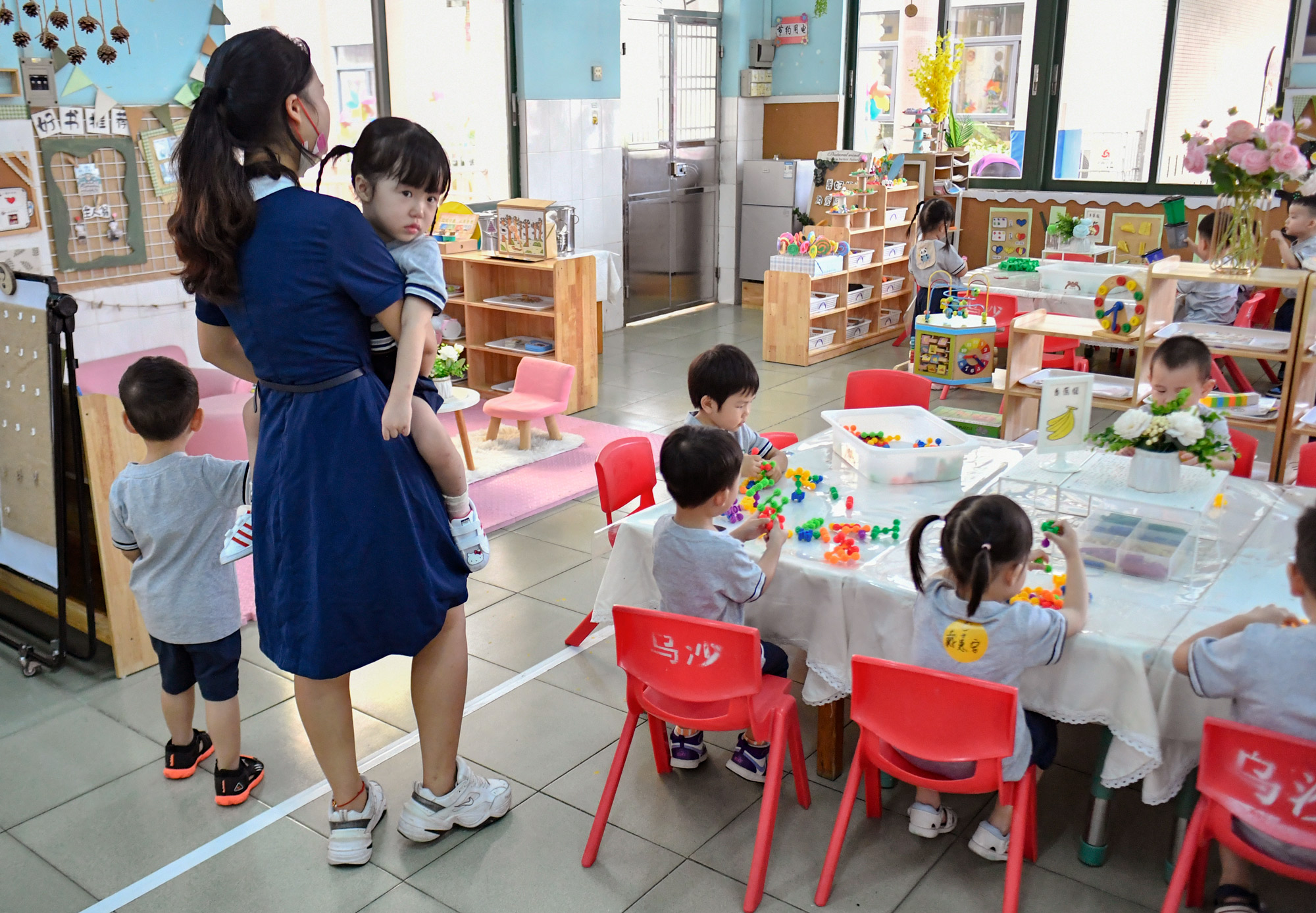
The environment where your child spends their day plays a massive role in how they feel about learning. You need to ensure the place is welcoming and safe. So, when you start looking for a kindergarten school near you, try to visit the place physically to see how the teachers interact with the students. Do the children look happy? Is there space for them to run and play? A good school must feel like a second home where your child feels safe and loved.
Building a Consistent Routine
Children generally feel much more secure when they know what to expect from their day. You should create a simple timetable that balances their time between rest, play, and study. It does not mean you need to run your house like an army camp. Just have fixed times for waking up, eating lunch, and doing homework.
When a child follows a routine, their body and mind get used to the rhythm. They will fight you less about doing homework, helping them stay organized in the classroom and making it easier for them to focus on lessons without feeling chaotic or tired.
Focusing on Healthy Nutrition
You cannot expect a car to run without good fuel, and the same logic applies to your child. What they eat directly affects how well they can concentrate in class. Try to pack homemade meals that provide lasting energy, like whole wheat bread, eggs, fruits, or nuts.
When their tummy is full of nutritious food, their brain works better. They will be able to listen to the teacher, remember lessons, and have the physical stamina to run around with their friends during break time.
Reading Stories Together
One of the best ways to expand your child’s mind is through the magic of storytelling. You can try to make reading a special bonding time before bed. When you read aloud with expression, you show them that words have power and meaning. This habit improves their vocabulary and listening skills significantly. They learn how sentences are formed and how to express their own thoughts.
Encouraging Open Communication
Make sure your child knows they can talk to you about anything. When they come home, avoid asking them only about their grades or test scores. Instead, ask open questions like “What was the best part of your day?” or “Who did you play with?” It shows them that you care about their feelings and social life, not just their academic performance.
When a child feels heard at home, they gain the confidence to speak up in class. They will be more likely to ask the teacher for help when they do not understand a lesson.
Limiting Screen Time
In today’s world, it is very easy to let a tablet or phone become a babysitter, but you have to set boundaries. Excessive screen time can make children passive and reduce their attention span. So, always set clear rules about when gadgets are allowed. Keep screens away during meals and before bedtime. Replace that digital time with physical activities or board games.
When children play in the real world, they learn to solve problems and use their hands. This physical engagement helps their brain develop differently than just staring at a screen does.
Praising Effort Instead of Intelligence
The way you praise your child shapes how they view challenges. Always telling them they are so smart, make sure to praise their hard work and effort. For example, if they draw a picture, say I love how carefully you colored this rather than you are a genius. This approach teaches them that effort matters more than natural talent and tries harder.
Keeping Breaks Productive
Holidays are a time for fun, but they are also a great opportunity for different kinds of learning. Look for activities that mix fun with skill-building. For example, if you live in a big city, you can enroll them in a summer camp Lahore for kids where they can learn swimming, arts, or robotics.
These experiences teach them teamwork and new hobbies outside the rigorous school syllabus. Keeping their minds active during breaks ensures they return to school refreshed and ready to learn.
Bottom Line
Helping your child grow is a continuous process that links your home life with their school life. By following these steps you can easily create a supportive environment and stay involved, helping you build their confidence.