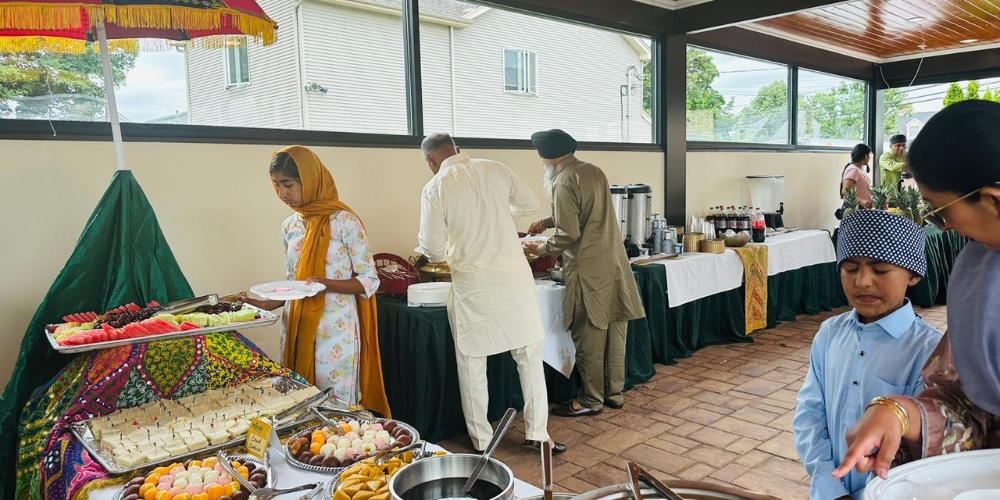
Indian Catering in Connecticut is deeply involved in religious and cultural events where food is more than just a dish; it is an expression of love and respect. Whether it is a temple event, a prayer session, a community ceremony, or a traditional festival, the delight of food is what actually unites people and helps set the spiritual atmosphere of the event.
Careful planning, traditional menus, and thoughtful service help ensure that every guest feels welcomed and honored. If you are interested in learning more about professional catering services for religious celebrations, walk through this post.
What will you explore?
- The Cultural and Spiritual Significance of Food for Gatherings
- Common Types of Religious and Cultural Gatherings
- Traditional Menu Planning for Religious Gatherings
- Traditional Food Choices for Religious Events
- Considering Food Preferences and Religious Guidelines
- Serving Style That Fits the Occasion
- Presentation with Purpose
- Planning Tips for a Smooth Event
- How to Avoid Common Event Planning Errors
- Ensure a comfortable experience with expert catering.
The Cultural and Spiritual Significance of Food for Gatherings
Food carries cultural and spiritual meaning at gatherings, symbolizing respect, tradition, and unity.
Well-thought-out meals not only physically support the event but also unite the attendees in a common experience. It shows the spiritual values, traditions, and the mutual respect of the community.
- Meals are usually prepared and served as part of a ritual or offering.
- Food symbolizes purity, gratitude, and togetherness.
- The act of sharing a meal strengthens communities.
- Some foods are traditionally linked with ceremonies and festivals.
- By selecting food correctly, you show respect for the religious customs.
Common Types of Religious and Cultural Gatherings
Religious and cultural gatherings come in many forms, each with its own customs and expectations. Understanding the type of event helps ensure the food, service, and timing align with its purpose.
- Temple prayers and weekly gatherings
- Festival celebrations such as Diwali, Navratri, or Pongal
- Naming ceremonies and milestone rituals
- Community cultural programs and spiritual discourses
- Memorial services and remembrance events
Each event may follow different food customs, which makes planning essential.
Traditional Menu Planning for Religious Gatherings
Traditional menu planning focuses on preparing food that follows religious customs and cultural expectations. A thoughtful choice of dishes preserves the sacredness of the event while guaranteeing guests receive comfortable service.
- Most temple and prayer event meals consist of pure vegetarian dishes.
- The spice level is toned down, making it suitable for guests of all ages.
- Lentils, vegetables, rice, and bread together make each meal complete.
- The sweets made by tradition are for the ceremony’s religious significance.
A menu full of nutritious food is very helpful for the spiritual purpose, in addition to being a comfort to the guests.
Religious events: Standard Food Choices
The traditional food choices for religious events are simple, well-known dishes that conform to cultural and spiritual rules.
The dishes prepared are meant to show respect, be nutritious, and be suitable for everyone at the gathering. These are some of the typical and almost universal food selections at the end of many cultural ceremonies:
- Steamed rice or lightly spiced pulao
- Plain dal or lentil preparations
- Vegetable curries made with seasonal produce
- Paneer-based dishes for added richness
- Roti or naan served warm
- Yogurt-based sides for balance
- Simple desserts like halwa, kheer, or laddoos
These dishes are filling, respectful, and widely accepted.
Considering Food Preferences and Religious Guidelines
Respecting food preferences and religious guidelines is a must when planning meals for spiritual and cultural gatherings, such as Gurdwara weddings and langars. Besides this, proper planning allows guests to enjoy the meal, feel respected, and take part in the celebration worry-free.
- Non-vegetarian items should not be included unless clearly appropriate.
- Check if onions and garlic are allowed.
- Offer vegan options where feasible.
- Clearly separate the food that is prepared for fasting periods.
- Put labels on dishes for clarity and comfort.
When the guests trust the food, they can fully concentrate on the ceremony.
Serving Style That Fits the Occasion
Choosing the right serving style ensures the meal flows smoothly and complements the event’s tone. The service can be adapted to suit the size, formality, and cultural customs of the gathering.
- Buffet-style service for large community gatherings
- Pre-plated meals for formal ceremonies
- Volunteer-assisted serving in temples or halls
- Family-style platters for smaller cultural functions
A smooth serving process avoids disruption and keeps the event organized.
Presentation with Purpose
A fine presentation makes the food look appealing and well-prepared. It shows care and respect for the gathering’s traditions, making the meal more enjoyable for everyone.
- Neatly arranged serving stations
- Traditional serving vessels, when possible
- Covered food helps maintain hygiene.
- Simple decor that matches the cultural setting
- Clearly marked serving areas
A good presentation shows care and attention without excess.
Planning Tips for a Smooth Event
Proper planning helps the event run smoothly and ensures that meals are served on time. Simple preparation keeps guests comfortable and keeps the gathering organized and enjoyable.
- Confirm a guest count early.
- Plan menus according to event duration.
- Coordinate serving times around prayers or rituals
- Ensure enough staff or volunteers are available
- Arrange proper cleanup after the meal
These steps keep the focus on the gathering, not logistics.
How to Avoid Common Event Planning Errors?
It is very important to know typical errors so the event is not interrupted by unpleasant situations. The careful, detailed planning of the gathering will prevent discomfort for guests, food issues, or delays so that everybody will have a wonderful time.
- Underestimating food quantity
- Ignoring dietary restrictions
- Serving overly spicy or unfamiliar dishes
- Poor timing between the ceremony and the meal
- Lack of coordination during service
Through careful planning, these issues can be avoided while at the same time providing proper experience.
Ensuring a Comfortable Experience with Indian Catering in Connecticut
Experienced catering support is essential for religious and cultural gatherings. It helps manage the food, service, and guest experience so organizers can focus on the event’s purpose.
Good catering not only makes visitors feel looked after and relaxed but also ensures that they can have a wonderful time at the event.
- Plan traditional menus that respect cultural and religious guidelines
- Efficiently manage big groups of guests
- Food is prepared on time and of the same quality all the time
- Introduce and prepare food that tastes simple and familiar for all ages
- Arrange service in such a way that waiting is minimized and a good flow is maintained
- Give clear messages to the guests and the volunteers
- Deliver hot meals that are well prepared for the highest comfort
Wrapping up
Religious gatherings and cultural events are the times for bonds, customs, and celebrations. Indian Catering Connecticut is such an integral part of these festivities, bringing the special food that not only pays tribute but also blends the various cultures, and at the same time treats every guest to a homely atmosphere.
Careful planning, consideration of dietary and cultural restrictions, organized service, and attractive presentation make it possible for all the participants to feel welcome and appreciated. By choosing the right menu, serving style, and catering support, families can focus on the purpose of the gathering.
With attention to detail, meals become more than nourishment—they become a meaningful part of the celebration.