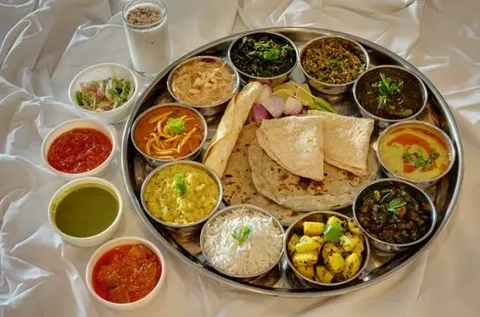
Across the UK, indian restaurants have become a defining part of the country’s food culture. From neighbourhood curry houses to refined dining rooms in major cities, Indian cuisine has evolved far beyond takeaway staples. For diners searching for the best indian restaurants, the real question is no longer just about spice level or portion size — it’s about authenticity, regional depth, ingredient quality, and consistency.
Understanding what separates an average restaurant from a truly exceptional one requires looking beyond the menu. It means exploring culinary heritage, kitchen practices, sourcing standards, and the dining experience as a whole.
The Evolution of Indian Cuisine in the UK
indian restaurant indian has been part of British life for decades. Early establishments introduced dishes adapted to local tastes, including favourites such as chicken tikka masala and mild kormas. While these remain popular, modern UK diners increasingly seek regional authenticity.
Today’s restaurants often highlight:
-
North Indian tandoori cooking
-
South Indian dosa and seafood traditions
-
Gujarati vegetarian cuisine
-
Bengali fish and mustard-based curries
-
Hyderabadi biryanis
Cities such as London, Birmingham, and Manchester are known for diverse Indian dining scenes shaped by migration patterns and community heritage.
Rather than offering a single “Indian” identity, many respected establishments now focus on specific regions. This shift reflects both culinary integrity and growing consumer awareness.
What Defines the Best Indian Restaurants?
How the Best Indian Restaurants Maintain Quality
Consistency is a strong indicator of quality. The best establishments demonstrate discipline in several key areas:
1. Ingredient Sourcing
Authentic flavour begins with proper sourcing. Whole spices such as cardamom, cloves, and cumin are often imported or sourced from specialist suppliers. Fresh curry leaves, quality basmati rice, and ethically sourced meats significantly impact the final dish.
For example, a properly layered biryani requires aged basmati rice, balanced spice infusion, and controlled steam cooking (dum technique). Shortcuts immediately alter texture and aroma.
2. Mastery of Spice Balance
Indian cuisine is not simply about heat. It is about layering flavours.
A well-prepared lamb rogan josh balances:
-
Earthy Kashmiri chilli
-
Aromatic fennel
-
Ginger warmth
-
Slow-cooked tenderness
Excessive chilli can mask complexity. Experienced chefs understand restraint.
3. Tandoor Technique
Traditional clay ovens operate at extremely high temperatures. Proper tandoor cooking produces:
-
Smoky char without dryness
-
Crisp exterior and moist interior
-
Distinct aroma from live flame cooking
Restaurants that invest in skilled tandoor chefs tend to deliver consistently better breads and grilled meats.
4. Kitchen Structure and Training
Strong kitchen leadership ensures recipes are standardised without losing craftsmanship. Many reputable restaurants employ chefs trained in India or mentored through structured apprenticeships.
A restaurant such as Royalbahaar, for instance, reflects how heritage knowledge and professional kitchen discipline can coexist without excessive marketing claims. Its approach focuses on flavour integrity rather than theatrics.
Regional Diversity: Beyond the Standard Curry House
One of the most important markers of expertise is menu depth. A generic menu listing dozens of curries with similar gravies often signals standardised base sauces. By contrast, serious establishments differentiate gravies and cooking methods.
Examples of regional contrasts:
-
Kerala cuisine uses coconut milk and curry leaves extensively.
-
Punjabi cuisine emphasises butter, cream, and tandoor cooking.
-
Chettinad dishes are pepper-forward and aromatic.
-
Gujarati thalis balance sweet, sour, and savoury notes.
Understanding these distinctions helps diners identify authenticity.
In the UK, restaurants in areas like Leicester have built reputations for vegetarian excellence influenced by Gujarati communities. Meanwhile, parts of Glasgow are known for innovative interpretations that blend tradition with modern plating.
Dining Experience Matters as Much as Food
While food quality remains central, environment and service contribute to overall perception.
Atmosphere and Cultural Respect
The best restaurants avoid stereotypical décor in favour of subtle design elements. Music, tableware, and lighting should enhance comfort without distraction.
Menu Transparency
Clear descriptions help diners understand spice levels, cooking methods, and dietary suitability. With rising demand for vegetarian, vegan, and gluten-free options, transparency builds trust.
Hygiene and Professional Standards
High hygiene ratings and visible kitchen organisation signal operational discipline. These standards matter more than elaborate interiors.
Practical Example: Evaluating a Restaurant as a First-Time Visitor
Imagine visiting a new Indian restaurant in the UK. How can you assess its quality objectively?
-
Observe the bread: Freshly made naan should be slightly blistered with uneven char marks. Uniform pale bread may indicate reheating.
-
Check the sauce texture: Gravies should vary in colour and consistency. Identical textures across dishes suggest pre-prepared bases.
-
Taste spice layering: You should detect gradual flavour development, not just immediate heat.
-
Note ingredient freshness: Fresh coriander garnish and bright chutneys reflect attention to detail.
-
Assess pacing: Efficient service without rushing indicates experienced coordination.
These small cues reveal far more than online ratings alone.
The Role of Community and Cultural Heritage
Many respected indian restaurants in the UK are family-run businesses rooted in community identity. Generational knowledge often shapes recipe authenticity.
Second-generation restaurateurs frequently combine traditional techniques with professional hospitality training. This balance strengthens credibility and long-term sustainability.
The most respected operators rarely rely on exaggerated claims. Instead, reputation builds steadily through consistent service and word-of-mouth recommendations.
Changing Consumer Expectations
Modern diners in the UK are more informed than ever. They:
-
Research regional cuisines
-
Expect transparency in sourcing
-
Appreciate seasonal ingredients
-
Value moderate portion sizes with quality over quantity
This shift has encouraged restaurants to refine menus, reduce unnecessary dishes, and focus on specialities.
Sustainability also plays a growing role. Ethical meat sourcing, plant-based innovation, and waste reduction strategies increasingly influence dining decisions.
Why the UK’s Indian Food Scene Remains Unique
The UK’s Indian restaurant landscape differs from India’s domestic dining scene because it reflects decades of adaptation. Certain dishes that are considered “British-Indian classics” have no direct equivalent in India, yet they form part of the UK’s culinary heritage.
At the same time, newer establishments now prioritise authenticity and regional storytelling. This dual identity — adaptation and authenticity — makes the UK’s market distinctive.
For diners seeking the best indian restaurants, understanding this evolution helps set realistic expectations. A traditional curry house offers comfort familiarity; a regional specialist offers culinary depth. Both have value when executed properly.
Conclusion
The search for outstanding indian restaurants in the UK is ultimately about informed choice. The best indian restaurants distinguish themselves through disciplined sourcing, mastery of spice layering, authentic regional focus, and consistent kitchen standards. They respect culinary heritage while meeting modern expectations around transparency and hygiene.
Rather than relying solely on popularity or décor, evaluating craftsmanship and authenticity provides a clearer picture of quality. When approached with curiosity and awareness, dining at a well-run Indian restaurant becomes more than a meal — it becomes a cultural and culinary education rooted in tradition and professionalism.