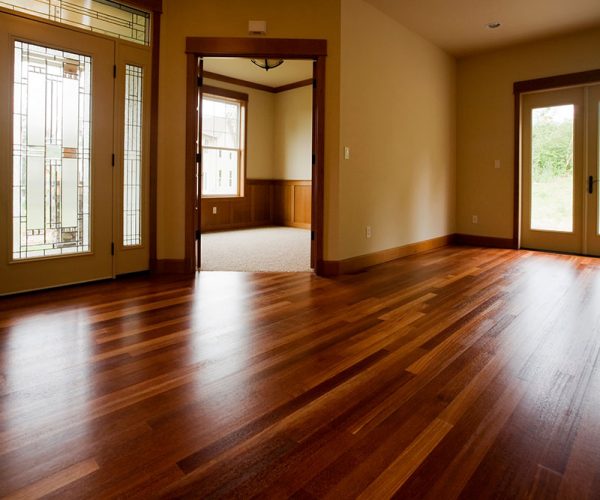
The way a hardwood floor is put in affects almost everything that follows. It shapes how the room feels in the morning, how sound moves when people walk, and how the surface changes after years of use. Many issues that get blamed on weak wood often begin much earlier. They start with small choices made before any board touches the ground. Skilled workers think about balance and timing. They understand that wood reacts slowly and remembers stress. Tiny errors may seem quiet at first; however, they grow more obvious over time. When careful steps stay unseen, floors last longer and feel right underfoot. Learning what trained installers notice helps explain why some floors age well while others struggle far too soon.
Choosing the right installation approach matters
Experienced installers never jump into work without first looking closely at the base. They press on it, listen to it, and watch how it responds. They think about how it shifts with heat and moisture. This early examination guides the choice between glue-down, nail-down, or click-lock methods. Each option fits a certain kind of space. Picking the wrong one often leads to squeaks, gaps, or movement that never fully settles.
They show daily life happening inside the room each day. A calm bedroom needs quiet support. A busy hallway needs a firm hold. Speed is not the goal here. Comfort and balance matter more. The floor and the structure below must agree with each other. When that agreement feels natural, the surface stays solid and calm for many years.
Preparation work separates amateurs from professionals
Before any boards are laid, skilled workers slow the pace on purpose. They bring the wood into the room and let it rest. This time allows the boards to adjust to the air and temperature. The wood releases tension and finds its shape. Skipping this pause may save time at first; however, it often leads to swelling or shrinking later.
Their eyes stay fixed on the ground below, since even a small dip or dust may seem minor now, however it can turn into trouble later. Boards may shift or sound hollow. Therefore, the floor gets sanded, then cleaned, then checked again. It may seem sluggish, but it prevents headaches down the line. A smooth base lets boards click together with ease. Moreover, it keeps footsteps soft and steady instead of loud and loose over time for daily use. Good preparation stays silent, yet poor preparation always finds a way to speak up later.
Precise placement creates lasting visual balance
Before the first board is set, skilled workers pause and look at the whole room. They picture how the lines will flow and where the edges should end. Sometimes that means shifting the layout slightly. This step helps avoid thin strips near walls or patterns that feel off balance. A good floor feels quiet to the eye. It should guide people through the room with ease. However, the design should remain subtle and not draw attention.
When boards are set, care makes the difference. Each piece slides in gently, never forced. Light pressure keeps seams neat and close. That calm pace reduces stress inside the wood. Therefore, the floor stays firm for years. Rush the work, and cracks or small gaps appear later. When boards rest naturally beside each other, the surface feels smooth and steady.
This same thoughtful work helps years later during hardwood floor refinishing. A floor that was placed with care sands evenly and accepts a new finish without trouble. There are fewer weak spots and fewer surprises. The surface renews itself with ease instead of resistance.
Finishing techniques protect beauty and strength
After installation, finishing is treated as its own craft. Professionals choose sealers that protect the wood while letting the grain stay visible. The objective is not to conceal the floor but to protect it. Each layer is applied with control and patience. Rushing this step often traps marks or bubbles under the surface.
Drying time matters just as much. Workers wait until each coat sets fully before moving forward. That early care builds a strong shield against daily wear and water. A high-quality finish enhances appearance and mitigates stains, minimizes minor fractures, and extends the durability of the surface with reduced maintenance. It keeps the wood stable and easier to clean. When done right, the floor holds warmth and depth long after the tools are put away.
Conclusion: A quiet path toward long-term floor success
A strong hardwood floor does not demand attention. It feels steady underfoot and looks balanced in every season. These results come from steady choices and careful hands. When installers take time to understand wood, the floor tends to hold up better. Wood moves, rests, and reacts to small changes. That reality asks for care. When support feels helpful, Best Hardwood Floors LLC shares advice built on patience and close attention. The focus stays on years of use, not fast finishes. However, some crews rush. Choosing people who work calmly and keep steady control can protect the look today and the life ahead of a hardwood floor; therefore, peace lasts for many seasons now.