Skin rejuvenation is a sought-after goal for many individuals aiming to achieve a youthful, radiant, and smooth complexion. Among various cosmetic treatments available today, chemical peels have gained popularity for their effectiveness in improving skin texture and appearance. But is a Chemical Peel in Abu Dhabi truly beneficial for skin rejuvenation? This comprehensive guide will explore how chemical peels work, their benefits, the different types available, suitability for various skin types, and what to expect from the treatment process. By the end, you’ll have a clear understanding of whether a chemical peel is the right solution for your skin renewal journey.
Understanding Chemical Peels and Their Role in Skin Rejuvenation
What Is a Chemical Peel?
A chemical peel is a cosmetic treatment that involves applying a chemical solution to the skin, which causes controlled exfoliation and removal of damaged outer layers. This process stimulates natural skin renewal, revealing fresher, smoother skin underneath. Chemical peels are versatile and can target various skin concerns, including fine lines, wrinkles, age spots, uneven pigmentation, and acne scars.
How Do Chemical Peels Promote Skin Rejuvenation?
The primary mechanism of a chemical peel centers around exfoliation and collagen stimulation. By removing the damaged outer layer, the treatment encourages the growth of new, healthy skin cells. Additionally, some types of peels promote collagen production, vital for skin elasticity and firmness. This dual action results in a more youthful and vibrant complexion, making chemical peels an effective method for skin rejuvenation.
Types of Chemical Peels Available
Superficial Peels
Superficial peels use mild acids like alpha-hydroxy acids (AHAs) to exfoliate only the outermost layer of the skin. They are suitable for mild skin issues and require minimal downtime. These are ideal for those seeking a quick refresh and subtle skin improvements.
Medium Peels
Medium-depth peels involve stronger acids such as trichloroacetic acid (TCA) to penetrate deeper layers of the skin. They address moderate skin concerns like pigmentation irregularities and fine lines and typically require a few days of recovery. These peels offer more noticeable results in skin rejuvenation.
Deep Peels
Deep chemical peels use phenol or similar agents to remove damaged skin layers extensively. They provide significant improvements for severe skin issues but involve longer recovery periods and are usually performed under strict medical supervision. Deep peels offer dramatic skin renewal benefits.
Suitability of Chemical Peels for Different Skin Types
Determining Skin Compatibility
Not all skin types respond equally to chemical peels. Factors such as skin tone, sensitivity, and existing skin conditions influence suitability. Superficial peels are generally safe for most skin types, including darker skin tones, as they cause minimal pigment disturbance. Medium and deep peels may require careful assessment by professionals to avoid adverse effects like hyperpigmentation or scarring.
Ideal Candidates for Chemical Peels
Individuals with mild to moderate skin imperfections, sun damage, or early signs of aging are often ideal candidates. Those looking for skin brightening, improved texture, and a more even complexion can benefit significantly from chemical peel treatments.
The Benefits of Chemical Peels for Skin Rejuvenation
Improved Skin Texture and Tone
One of the primary benefits of a chemical peel is the enhancement of skin texture. By removing damaged surface layers, the skin feels smoother and looks more even-toned. This process diminishes the appearance of roughness and uneven pigmentation.
Reduction of Fine Lines and Wrinkles
Chemical peels stimulate collagen production, which helps to diminish fine lines and superficial wrinkles. This makes skin appear firmer and more youthful over time, contributing to the overall rejuvenation process.
Treatment of Sun Damage and Age Spots
Sun exposure accelerates skin aging, leading to age spots and pigmentation issues. Chemical peels can effectively lighten these spots and improve skin clarity, restoring a more uniform complexion.
Acne and Scar Treatment
Chemical peels are beneficial for treating active acne and reducing the appearance of acne scars. They help unclog pores, decrease oil production, and promote skin renewal, leading to clearer skin.
Enhanced Absorption of Skincare Products
Post-peel, the skin’s permeability increases, allowing for better absorption of skincare products. This amplifies the effectiveness of topical treatments and serums used in daily skincare routines.
The Chemical Peel Procedure: What to Expect
Consultation and Skin Assessment
Before undergoing a chemical peel, a thorough consultation is essential. The practitioner evaluates skin condition, discusses goals, and recommends the most suitable peel type. This step ensures personalized treatment planning.
The Application Process
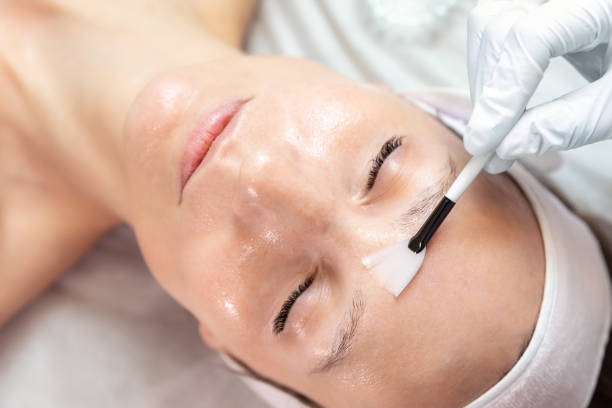
The procedure involves cleansing the skin, followed by applying the chemical solution evenly. The solution causes a controlled chemical reaction, leading to peeling. The duration depends on the peel type and skin concerns.
Post-Procedure Care
Post-peel recovery varies based on the peel’s depth. Superficial peels typically require minimal downtime, while medium and deep peels may involve peeling and redness for several days. Proper skincare, sun protection, and avoiding irritants are crucial for optimal healing and results.
Expectations and Results from Chemical Peels
Immediate Aftereffects
Post-treatment, the skin may appear red, slightly swollen, or flaky, particularly after medium or deep peels. These effects are temporary and part of the healing process.
Long-Term Skin Rejuvenation
With regular treatments, individuals can enjoy progressively improved skin texture, tone, and firmness. The results can last for months to years, especially when combined with good skincare and sun protection.
Maintenance and Follow-up
Maintenance treatments help sustain results and address emerging skin concerns. A personalized skincare regimen enhances the longevity of the rejuvenation achieved through chemical peels.
Why Choose a Professional for Chemical Peels?
Professional supervision ensures safe and effective treatment tailored to your skin type and concerns. Experienced practitioners can select the appropriate peel depth, minimize side effects, and optimize results. Proper pre- and post-treatment guidance is vital for achieving the best possible outcome.
Final Thoughts
Chemical Peel Abu Dhabi can be an excellent option for individuals seeking to revitalize their skin. By promoting exfoliation, collagen production, and skin renewal, chemical peels address various signs of aging, sun damage, and skin imperfections. When performed by qualified professionals, they offer safe, effective, and noticeable skin rejuvenation benefits. Whether you’re aiming for a subtle glow or a more dramatic transformation, chemical peels can be an integral part of your skincare routine, helping you achieve a healthier, more youthful complexion.