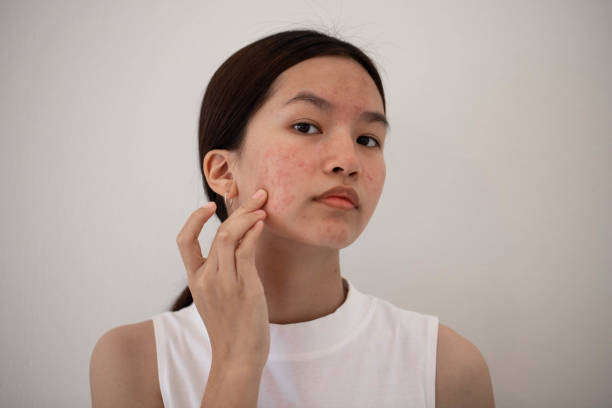
Acne is one of the most common skin concerns affecting individuals worldwide, often impacting self-esteem and confidence. For many, finding an effective treatment that addresses acne without irritating sensitive skin can be a challenging journey. When considering Acne Treatment in Abu Dhabi or elsewhere, understanding the safety and suitability for sensitive skin is crucial. The good news is that there are numerous gentle and effective options tailored to meet the needs of sensitive skin types, ensuring that treatment does not compromise skin health or cause additional irritation.
In this comprehensive guide, we will explore whether acne treatment is safe for sensitive skin, discuss the factors to consider before starting a treatment regimen, and highlight the types of treatments best suited for delicate skin. Whether you’re battling occasional breakouts or persistent acne, this article aims to equip you with the knowledge needed to make informed decisions about your skincare journey.
Understanding Sensitive Skin and Acne
What Defines Sensitive Skin?
Sensitive skin is characterized by a heightened response to various skincare products, environmental factors, or hormonal changes. Individuals with sensitive skin often experience redness, itching, burning, or dryness more frequently than others. This skin type requires special care to avoid exacerbating irritation or causing adverse reactions.
How Acne Affects Sensitive Skin
Acne manifests through pimples, blackheads, whiteheads, and cysts, resulting from excess oil production, clogged pores, bacteria, and inflammation. When sensitive skin is involved, these symptoms can be aggravated by harsh treatments or unsuitable skincare routines. Therefore, selecting appropriate acne management strategies is essential for effective and safe results.
Factors to Consider Before Undergoing Acne Treatment
Skin Compatibility and Personalization
Every person’s skin is unique, especially when sensitive skin is involved. Personalized treatment plans that consider skin type, severity of acne, and previous reactions are vital. Consulting with skincare professionals ensures that the chosen approach minimizes irritation and maximizes efficacy.
Ingredient Safety and Efficacy
Choosing products with gentle, non-irritating ingredients is paramount. Look for formulations free from alcohol, fragrances, and harsh preservatives. Ingredients like salicylic acid or benzoyl peroxide should be used cautiously and under supervision, as they can sometimes cause dryness or redness in sensitive skin.
Patch Testing and Gradual Introduction
Before applying any new acne treatment extensively, conducting a patch test on a small skin area helps identify potential reactions. Introducing products gradually allows the skin to adjust and helps prevent adverse effects.
Avoiding Common Irritants
Many over-the-counter acne treatments contain irritants that can worsen sensitive skin issues. It’s advisable to avoid harsh scrubs, astringents, or products with strong active ingredients unless recommended by a skincare professional.
Types of Acne Treatments Suitable for Sensitive Skin
Gentle Topical Treatments
- Non-comedogenic Moisturizers: Hydration is key; products formulated without pore-clogging ingredients help maintain the skin barrier.
- Mild Cleansers: Using gentle, soap-free cleansers can effectively remove excess oil without stripping natural oils.
- Over-the-counter Products: Formulations containing niacinamide, azelaic acid, or sulfur can provide anti-inflammatory benefits with minimal irritation.
Medical and Professional Treatments
- Light Therapy: Laser or LED light treatments target bacteria and reduce inflammation, often suitable for sensitive skin due to their non-invasive nature.
- Chemical Peels: Superficial peels with mild acids, performed by professionals, can help unclog pores and improve skin texture while being tailored to sensitive skin.
- Microneedling: A minimally invasive procedure that promotes skin renewal with controlled injury, suitable when performed by trained specialists.
Lifestyle and Skincare Routine Adjustments
- Consistent Gentle Cleansing: Establishing a routine with mild products reduces the risk of irritation.
- Sun Protection: Daily use of broad-spectrum sunscreen protects sensitive skin from UV damage, which can exacerbate acne and irritation.
- Healthy Diet and Hydration: A balanced diet rich in antioxidants and proper hydration support overall skin health.
Tips for Safe and Effective Acne Treatment for Sensitive Skin
1. Consult a Skincare Professional
Professional guidance ensures that the treatment plan is tailored specifically to sensitive skin requirements, reducing the risk of adverse reactions and optimizing results.
2. Start Slow and Observe
Begin with minimal treatment intensity, and monitor skin response closely. Adjustments can be made based on how your skin reacts over time.
3. Use Products Designed for Sensitive Skin
Opt for products labeled “for sensitive skin” or “hypoallergenic” to minimize the likelihood of irritation.
4. Maintain Consistency and Patience
Skin healing and improvement take time. Patience and adherence to the prescribed routine are key to achieving desired results without compromising skin health.
Conclusion
Acne treatment can be safe for sensitive skin when approached with caution and proper professional guidance. The focus should be on gentle, targeted therapies that respect the skin’s delicate nature while effectively managing acne symptoms. By understanding your skin type, selecting suitable products, and adhering to expert recommendations, you can achieve clearer skin without irritation or damage. Remember, personalized treatment plans and patience are essential components of a successful skincare journey toward healthy, balanced skin.