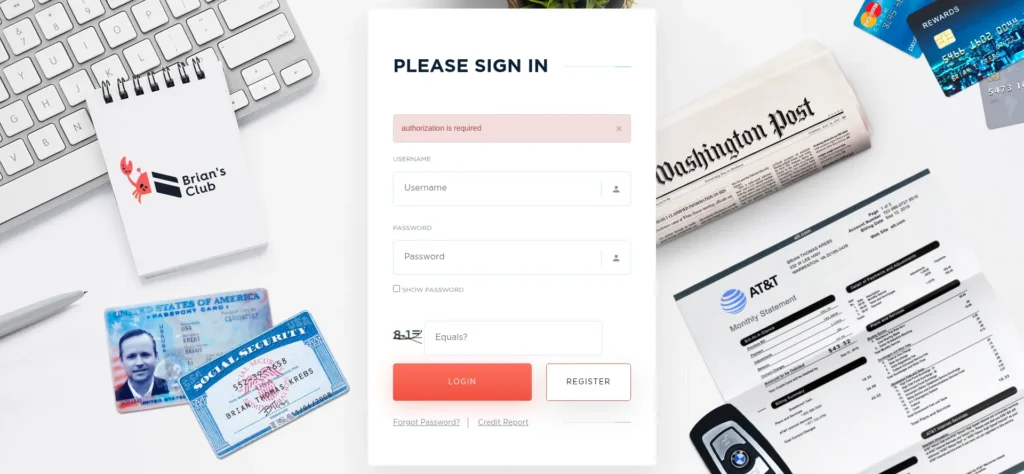
In today’s fast-moving digital world, certain keywords instantly raise concern. When you hear bclub mentioned alongside terms like dumps, RDP access, and CVV2 shop, it naturally leads to an important question: what does this really mean, and should you be worried? Understanding these terms in simple language can help you make safer decisions online.
Let’s break it down clearly. Dumps usually refer to stolen card data taken from the magnetic stripe of debit or credit cards. CVV2 is the three-digit security code on the back of a card, often used for online purchases. RDP access stands for Remote Desktop Protocol, a legitimate technology that allows someone to control a computer remotely. On its own, RDP is widely used by IT professionals and businesses. The issue arises when these tools or data are used without permission.
When bclub appears connected with dumps and CVV2 shop discussions, it signals potential involvement in risky or illegal online activity. Handling stolen financial information is a serious crime in many countries. Law enforcement agencies worldwide actively track digital fraud networks. What might look hidden behind usernames and passwords can still leave a clear digital trail.
Many people assume that online spaces offer complete anonymity. It feels easy to hide behind a screen name. However, every online action creates data. IP addresses, browser fingerprints, payment records, and communication logs can all be traced. Even cryptocurrency transactions, often believed to be untraceable, can sometimes be followed through blockchain analysis.
Legal consequences are not the only danger. Platforms associated with dumps or CVV2 shop activities often lack proper security. Ironically, users visiting such spaces can become victims themselves. Fake sellers, phishing pages, and malware are common. Someone looking to explore out of curiosity might end up exposing their own passwords or banking details.
Financial scams are extremely common in unregulated digital marketplaces. There is no consumer protection, no verified reviews, and no refund system. A person might send payment and receive nothing in return. If the platform suddenly disappears, which happens frequently in risky environments, there is no way to recover lost funds.
Behind every stolen card detail is a real person. Victims of credit card fraud experience stress, blocked accounts, and unexpected financial problems. They may spend weeks resolving disputes with banks. Small businesses also suffer when fraudulent transactions occur. Ultimately, these losses can increase costs for honest customers.
Unauthorized RDP access can cause even more serious damage. If someone gains remote control of a computer without permission, they can access files, steal sensitive data, or install ransomware. Many cyberattacks begin with compromised remote access credentials. Hospitals, schools, and small companies have experienced shutdowns due to such attacks, affecting not only finances but also essential services.
Curiosity is often the first step that brings someone toward searching about bclub and related topics. Some individuals simply want to understand how these systems operate. Learning about cybersecurity is positive. But there is a big difference between studying cybercrime for awareness and participating in suspicious platforms.
Visiting unsafe websites can expose your device to hidden threats. Malware can be installed without obvious warning. Keyloggers may record everything you type, including passwords and banking information. Once your device is compromised, cleaning it can be time-consuming and stressful.
Your online reputation also matters more than ever. Employers and institutions increasingly review digital footprints. Any association with illegal or questionable activities can damage future career opportunities. A short-term decision driven by curiosity can have long-term consequences.
If your interest in dumps or RDP access comes from a passion for technology, there are far better paths available. Cybersecurity is one of the fastest-growing career fields globally. Ethical hackers are hired to find weaknesses in systems so they can be fixed before criminals exploit them. Instead of entering risky spaces, you can learn to defend networks and protect data.
There are many legitimate courses in ethical hacking, network security, and digital forensics. Certifications such as CEH, CompTIA Security+, and CISSP open doors to stable and respected careers. By building knowledge the right way, you can contribute positively to the digital world.
For everyday users, online safety starts with simple habits. Use strong, unique passwords for every account. Enable two-factor authentication whenever possible. Avoid clicking unknown links or downloading suspicious attachments. Keep your operating system and software updated to fix security gaps.
Regularly monitor your bank statements and credit reports. If you notice unusual activity, contact your bank immediately. Early action can prevent bigger financial damage. Consider using security software that provides real-time protection against phishing and malware.
Parents should also guide younger internet users. Teenagers often come across discussions about dumps, CVV2 shop services, or RDP access on social media or forums. Without clear understanding, they may underestimate the seriousness of these topics. Open conversations about digital responsibility can prevent risky exploration.
If someone has already interacted with a suspicious platform connected to bclub discussions, quick action is important. Change all passwords immediately, especially if the same password was reused across accounts. Run a full antivirus and anti-malware scan. Monitor financial accounts closely for any strange transactions.
The internet offers incredible opportunities for learning, creativity, and business. But not every corner of the digital world is safe. When certain keywords appear together, it is a signal to pause and think carefully. Is the potential benefit worth the legal, financial, and personal risk?
Making ethical decisions online protects not only you but also others. Supporting systems that rely on stolen data contributes to real harm. Choosing a responsible path builds trust, security, and long-term success.
At the heart of it, digital safety is about awareness and intention. Understand what terms like dumps, CVV2 shop, and unauthorized RDP access represent. Recognize the risks connected to platforms discussed under names like bclub. Use that knowledge to make smarter choices.
The online world is powerful. It can open doors to education, career growth, and meaningful connections. But it can also create serious problems if approached carelessly. Stay informed, protect your identity, and focus on positive opportunities in technology.
When faced with questionable online spaces, remember that your future matters more than temporary curiosity. Build skills, protect your data, and use the internet in ways that strengthen your life instead of putting it at risk.