Hair loss can significantly impact a person’s confidence and overall quality of life. As advancements in medical technology continue to evolve, many individuals seek effective solutions to restore their hair and regain their self-esteem. One of the most popular and effective procedures available today is hair transplantation. With modern methods, this treatment has become safer, more efficient, and more accessible than ever before. In this comprehensive guide, we will explore whether Hair Transplant Abu Dhabi and similar procedures are safe when performed using the latest techniques.
Understanding Hair Transplantation
What Is a Hair Transplant?
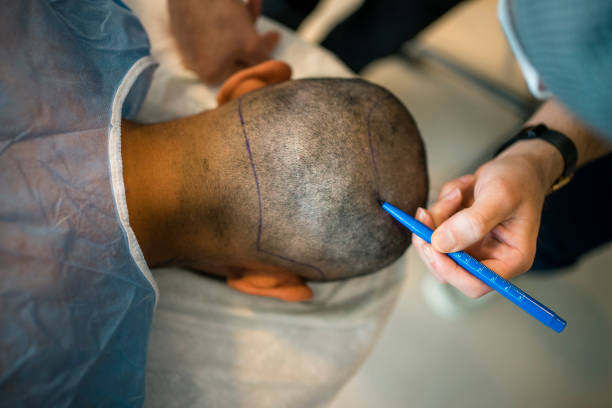
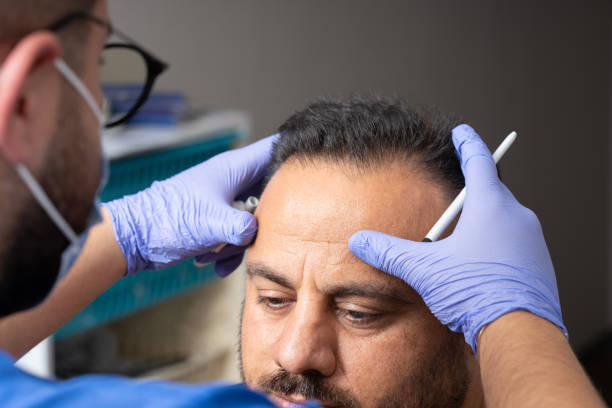
A hair transplant is a surgical procedure designed to move hair follicles from a donor area (typically the back or sides of the scalp) to areas experiencing hair loss or thinning. The goal is to create a natural-looking hairline and restore density in affected regions. The procedure is minimally invasive, involving the transplantation of healthy hair follicles to promote natural growth.
The Evolution of Hair Transplant Techniques
Over the years, hair transplant methods have undergone significant improvements. Traditionally, procedures involved strip harvesting, which often left a linear scar. Today, modern techniques such as Follicular Unit Extraction (FUE) and Follicular Unit Transplantation (FUT) have revolutionized the process. These methods minimize scarring, reduce recovery time, and improve the overall aesthetic outcome, making the procedure safer and more appealing to patients.
Modern Methods Making Hair Transplants Safer
Follicular Unit Extraction (FUE)
FUE is a technique where individual hair follicles are extracted directly from the donor area using a specialized punch tool. This minimally invasive method results in tiny, almost invisible scars, and allows for quicker recovery. The precision involved reduces trauma to the scalp, decreasing the risk of complications and making it a safer option for many patients.
Follicular Unit Transplantation (FUT)
FUT involves removing a strip of scalp tissue from the donor area, which is then dissected into individual follicular units for transplantation. Advances in suturing and tissue handling have improved the safety profile of this method. When performed by skilled surgeons, FUT offers natural results with minimal risk of adverse effects.
Robotic-Assisted Transplantation
Emerging technologies such as robotic-assisted hair transplants increase the precision and consistency of follicle placement. These systems utilize artificial intelligence and robotic arms to extract and implant hair follicles with high accuracy, further enhancing safety and minimizing human error.
Platelet-Rich Plasma (PRP) Therapy
Although not a hair transplant technique per se, PRP therapy is often combined with surgical procedures to promote healing and follicle growth. It involves using the patient’s own blood components to stimulate tissue regeneration, reducing recovery time and enhancing safety.
Ensuring Safety in Modern Hair Transplant Procedures
Importance of Skilled Surgeons
The safety of modern hair transplants heavily depends on the expertise and experience of the surgeon performing the procedure. Skilled practitioners are trained in the latest techniques, adhere to strict sterilization protocols, and carefully plan each surgery to minimize risks.
State-of-the-Art Facilities
Modern clinics equipped with advanced technology and adhering to strict hygiene standards contribute significantly to the safety of hair transplantation. These facilities ensure that procedures are performed in a controlled environment, reducing the potential for infections or complications.
Personalized Treatment Planning
Every patient’s hair loss pattern, scalp condition, and overall health are unique. Customized treatment plans that consider these factors help optimize results and safety. Preoperative assessments ensure that patients are suitable candidates for the procedure, further minimizing risks.
Post-Operative Care and Follow-Up
Proper post-operative care is essential for safety and successful outcomes. Instructions on scalp care, medication adherence, and follow-up appointments help detect and address any issues early, ensuring a smooth recovery process.
Benefits of Modern Hair Transplant Techniques
Natural-Looking Results
Advancements in follicle harvesting and placement techniques allow for highly natural results. Surgeons can replicate the natural hair growth pattern, making it difficult to distinguish transplanted hair from native hair.
Minimal Scarring and Discomfort
Modern procedures such as FUE leave minimal scarring, often only tiny dots that fade over time. Patients experience less discomfort during and after surgery, promoting a safer experience overall.
Faster Recovery
With minimally invasive methods, patients can typically resume normal activities sooner. Reduced downtime is beneficial for individuals with busy schedules or those seeking quick results.
Higher Success Rates
Technological innovations and improved surgical techniques have led to higher graft survival rates, ensuring that more transplanted follicles thrive and grow naturally, enhancing safety and satisfaction.
Who Is an Ideal Candidate for Hair Transplant?
While modern methods are safe and effective for many, suitability depends on individual factors. Candidates should generally be in good health, have realistic expectations, and possess sufficient donor hair. A thorough consultation with a qualified specialist helps determine eligibility and ensures safe treatment planning.
The Future of Hair Transplant Safety
Research and technological development continue to improve the safety and efficacy of hair transplantation. Innovations such as stem cell therapy, gene editing, and advanced robotic systems promise even better outcomes with fewer risks in the future. These developments are making hair restoration more accessible and safer for a diverse range of patients.
Conclusion
Modern hair transplant techniques have significantly enhanced the safety profile of this popular hair restoration procedure. With advancements like FUE, FUT, robotic assistance, and personalized care, patients can achieve natural results with minimal risks. The key to a safe and successful transplant lies in choosing experienced practitioners who utilize state-of-the-art technology and adhere to rigorous safety standards. If you’re considering a hair transplant, understanding these modern methods can help you make an informed decision and pursue a procedure that prioritizes your safety and satisfaction.