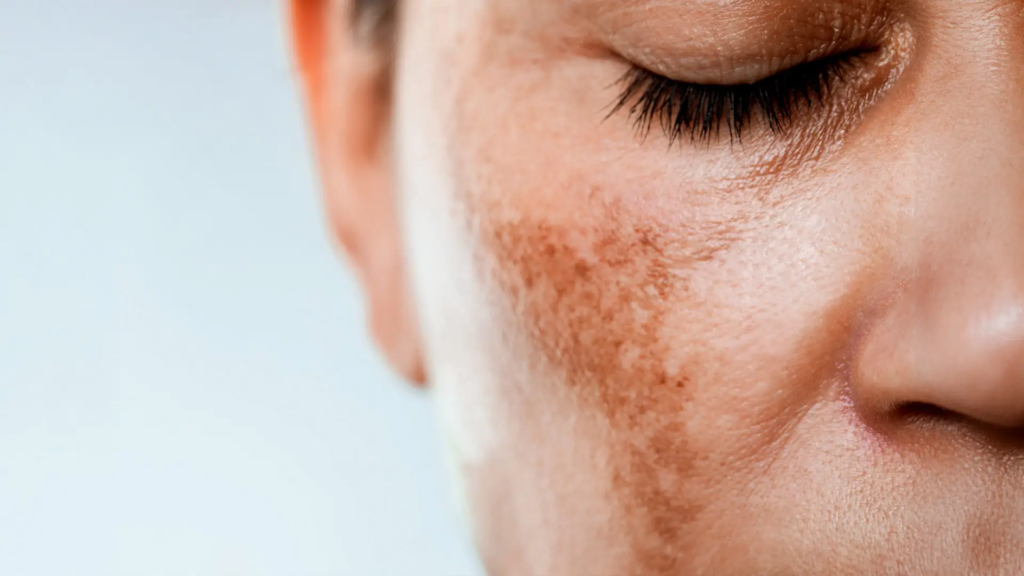
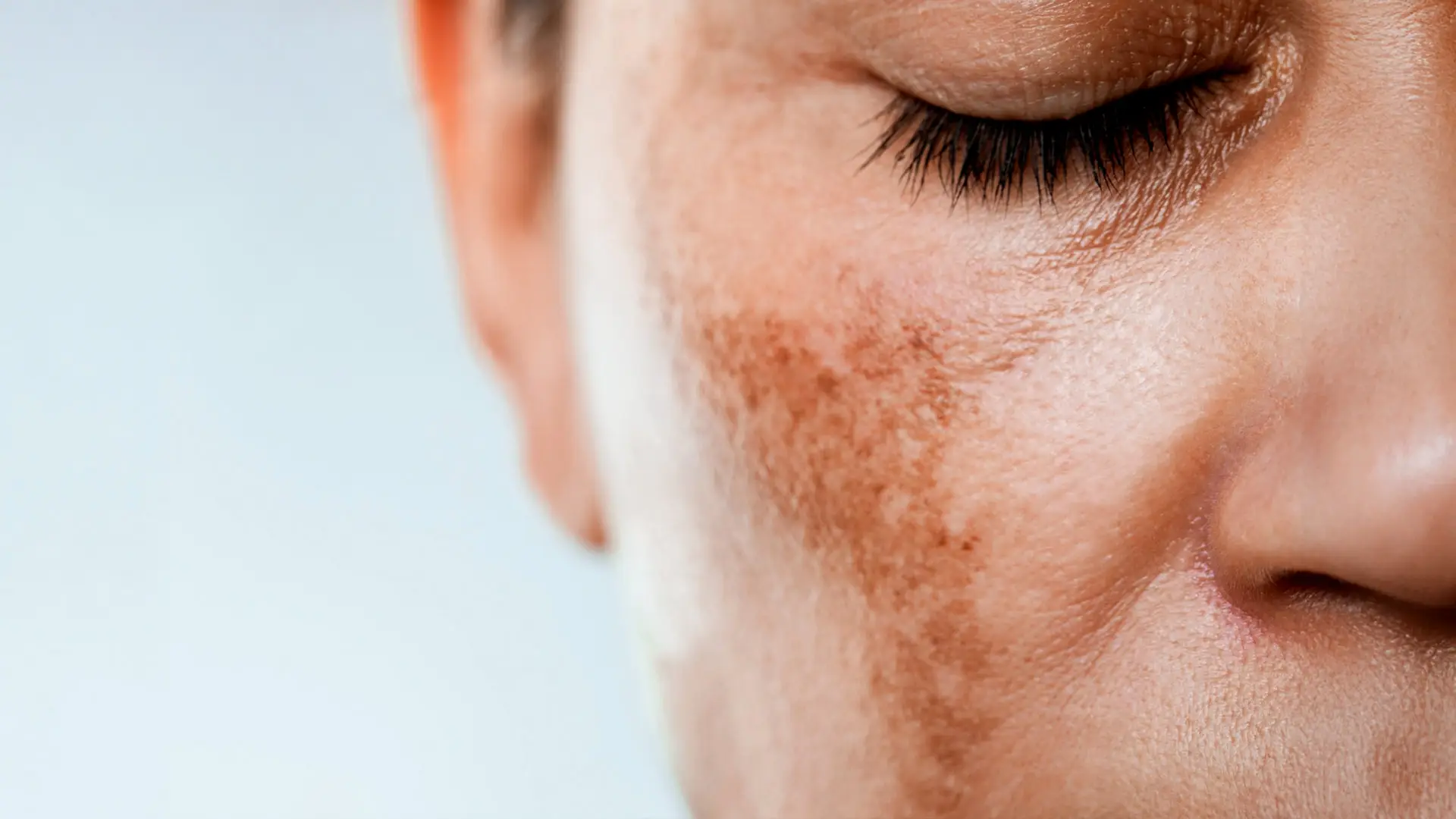
Melasma is a common skin condition characterized by brown or gray-brown patches that typically appear on the face, especially on the cheeks, forehead, nose, and upper lip. Often triggered by hormonal changes, sun exposure, and genetic predisposition, melasma can significantly affect an individual’s confidence and self-esteem. It predominantly affects women but can also occur in men, especially during pregnancy or due to hormonal therapies. The condition is more prevalent among individuals with darker skin tones, making effective treatment options vital for those affected.
The Importance of Professional Melasma Treatment
While melasma can sometimes fade on its own, many individuals seek professional intervention to achieve more consistent and faster results. Melasma Treatment in Abu Dhabi offers a range of advanced solutions tailored to different skin types and severity levels. Professional treatments not only help in reducing pigmentation but also in preventing future outbreaks, ensuring long-term skin health and improved appearance. Consulting a qualified dermatologist or skin specialist is crucial for devising a personalized treatment plan that addresses the specific needs of each patient.
Types of Melasma Treatments Available in Abu Dhabi
Topical Creams and Serums
One of the most common approaches involves the use of topical agents that contain ingredients like hydroquinone, tretinoin, corticosteroids, or non-hydroquinone alternatives such as azelaic acid and kojic acid. These creams work by inhibiting melanin production and promoting skin cell turnover. Regular application under professional supervision can lead to noticeable improvement over time.
Chemical Peels
Chemical peels involve applying a chemical solution to exfoliate the top layers of skin, promoting new, healthier skin growth. This procedure can effectively reduce hyperpigmentation caused by melasma, especially when combined with other treatments. Peels vary in strength and formulation, tailored to suit individual skin sensitivities and conditions.
Laser and Light-Based Therapies
Advanced laser treatments and intense pulsed light (IPL) therapy are highly effective for targeting deeper pigmentation. These modalities work by breaking down melanin deposits, leading to a more even skin tone. The choice of laser technology depends on the severity of melasma and skin type, with professionals customizing protocols for optimal results.
Microdermabrasion and Dermabrasion
These minimally invasive procedures involve exfoliating the skin’s surface to remove pigmented layers. Microdermabrasion is less invasive and suitable for mild cases, while dermabrasion provides more intensive exfoliation for stubborn pigmentation. Both methods enhance skin texture and tone when performed by trained practitioners.
Combination Treatments
Often, a combination of therapies yields the best outcomes. Dermatologists may recommend pairing topical treatments with procedures like chemical peels or laser therapy to maximize results and reduce treatment duration. A comprehensive approach ensures more effective management of melasma.
Personalized Treatment Plans in Abu Dhabi
Every patient’s skin is unique, necessitating personalized treatment strategies. In Abu Dhabi, clinics like Enfield Royal Clinic offer expert consultations to assess skin type, pigmentation severity, and lifestyle factors. Based on this assessment, specialists craft individualized plans that may include a combination of topical agents, in-office procedures, and skincare routines. Patient education on sun protection and skincare is emphasized to prevent recurrence and maintain results.
The Role of Sun Protection in Managing Melasma
Sun exposure is a significant trigger for melasma flare-ups. Therefore, rigorous sun protection measures are essential during and after treatment. This includes using broad-spectrum sunscreens with high SPF, wearing protective clothing, and avoiding peak sunlight hours. Proper sun care enhances treatment effectiveness and helps sustain the improvements achieved.
Post-Treatment Skincare and Maintenance
Maintaining results after melasma treatment involves adopting a consistent skincare regimen. This includes using gentle cleansers, moisturizers, and prescribed topical agents. Regular follow-ups with dermatologists ensure ongoing management and early detection of any recurrence. Lifestyle modifications such as avoiding excessive sun exposure and managing hormonal influences contribute significantly to long-term success.
Why Choose Enfield Royal Clinic Abu Dhabi for Melasma Treatment?
Enfield Royal Clinic Abu Dhabi is renowned for its comprehensive dermatological services and advanced skin treatments. The clinic boasts a team of experienced specialists dedicated to personalized care and achieving optimal outcomes. Utilizing state-of-the-art technology and customized treatment plans, the clinic ensures patients receive effective and comfortable melasma management, helping them regain confidence with radiant, even-toned skin.
Frequently Asked Questions About Melasma Treatment Abu Dhabi
1. Is Melasma Treatment Painful or Comfortable?
Most patients find melasma treatment procedures to be comfortable, with minimal discomfort involved. Topical anesthesia or cooling devices are often used during in-office procedures like laser therapy to enhance comfort. Post-treatment sensations are usually mild and temporary.
2. How Long Does It Take to See Results?
Results vary depending on the severity of melasma and the chosen treatment modalities. Generally, patients begin to notice improvements within a few weeks, with continued progress over subsequent months. Consistency and adherence to skincare routines are key to achieving the best outcomes.
3. Can Melasma Come Back After Treatment?
While treatments can significantly reduce pigmentation, melasma has a tendency to recur if sun exposure and hormonal triggers are not managed. Long-term sun protection and maintenance therapies are essential to sustain results.
4. Are There Any Special Skincare Tips to Prevent Melasma?
Prevention focuses on sun protection and gentle skincare. Using high-SPF sunscreens daily, avoiding peak sunlight, wearing protective clothing, and maintaining a consistent skincare routine with recommended ingredients help prevent melasma from worsening or reappearing.