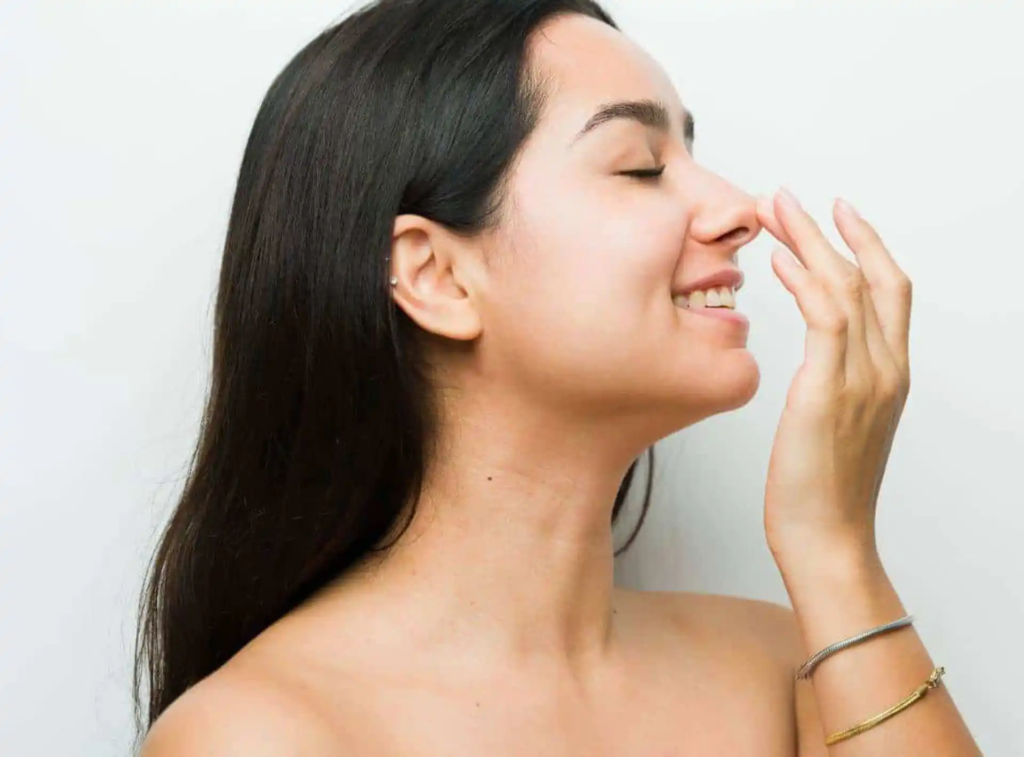
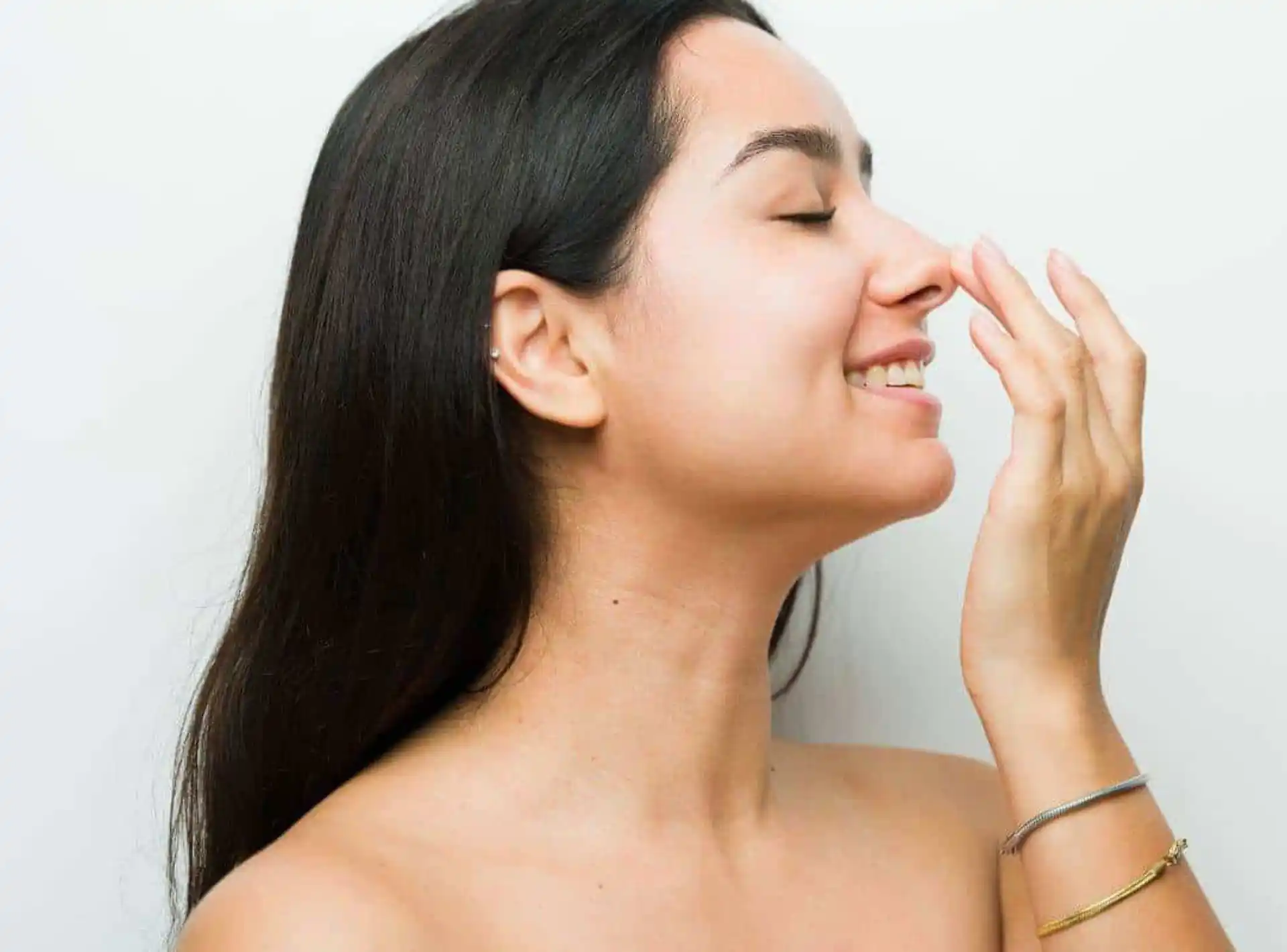
Rhinoplasty, commonly known as a nose job, is one of the most sought-after cosmetic procedures for enhancing facial harmony and correcting nasal imperfections. When considering this transformative surgery, one of the primary concerns for many individuals is the level of pain involved and how manageable it is during recovery. Understanding what to expect can help alleviate anxiety and prepare you for the process ahead.
Understanding Rhinoplasty: What It Entails
What Is Rhinoplasty?
Rhinoplasty in Abu Dhabi is a surgical procedure designed to reshape or resize the nose to improve appearance or functionality. It involves modifying the bone, cartilage, skin, or all three to achieve the desired aesthetic or medical outcome. Patients often opt for rhinoplasty to correct congenital deformities, injuries, or simply to enhance facial harmony.
Types of Rhinoplasty Procedures
- Open Rhinoplasty: Involves a small incision across the columella (the tissue between the nostrils), providing the surgeon with better visibility and access.
- Closed Rhinoplasty: Incisions are made inside the nostrils, resulting in no visible scars and a quicker recovery.
- Non-surgical Rhinoplasty: Uses injectable fillers to make minor adjustments without surgery, suitable for subtle changes.
Is Rhinoplasty Painful?
Managing Expectations About Pain
One of the most common questions is whether rhinoplasty is painful. While individual experiences vary, most patients report that the discomfort experienced during rhinoplasty is manageable and temporary. It’s important to note that the procedure is performed under anesthesia, so you won’t feel pain during surgery. Postoperative discomfort is usually mild to moderate and can be controlled effectively with prescribed medications.
Types of Discomfort Experienced Post-Surgery
- Swelling and Tenderness: Expect swelling around the nose and sometimes the eyes, which can cause a feeling of pressure or tightness.
- Nasal Congestion: Due to swelling inside the nasal passages, patients often feel congested, which can be uncomfortable but is temporary.
- Soreness: Mild soreness in the nasal area and the surrounding tissues is common during the initial days after surgery.
Pain Management Strategies
Effective pain management is essential for a smooth recovery. Most clinics, including Enfield Royal Clinic Abu Dhabi, provide comprehensive postoperative care instructions, which include pain relief medications. Over-the-counter pain relievers like acetaminophen are often sufficient, while stronger medications may be prescribed if needed. Applying cold compresses and keeping the head elevated can also reduce swelling and discomfort.
Recovery Process and How to Handle Discomfort
Immediate Postoperative Period
After rhinoplasty, patients typically spend a few hours in a recovery room before heading home. During this time, medical staff monitor for any immediate issues and provide instructions on caring for the nose. Expect to wear a splint or nasal dressing for the first week to support the new shape and reduce swelling.
Managing Pain During Recovery
- Rest and Relaxation: Adequate rest helps the body heal and reduces discomfort.
- Pain Relief Medications: Follow your surgeon’s recommendations for pain management.
- Ice Packs: Applying cold packs around the nose and eyes helps minimize swelling and ease soreness.
- Avoiding Strenuous Activities: Physical activity can increase swelling and discomfort; therefore, rest is key.
Long-Term Comfort and Adjustments
As healing progresses, swelling gradually subsides, and the nasal tissues adapt to their new shape. Most patients find that discomfort diminishes significantly after the first week, with some residual swelling lasting for several months. Patience and adherence to postoperative care instructions are vital for optimal results.
Tips for a Comfortable Rhinoplasty Experience
- Choose a Skilled Surgeon: An experienced surgeon ensures minimal tissue trauma and better pain management strategies.
- Follow Pre- and Postoperative Instructions: Proper preparation and aftercare are crucial for reducing discomfort.
- Stay Hydrated and Maintain a Healthy Diet: Proper nutrition supports healing and overall well-being.
- Communicate Any Concerns: Keep open communication with your medical team to address any discomfort promptly.
Why Choose Enfield Royal Clinic Abu Dhabi?
Enfield Royal Clinic Abu Dhabi is renowned for its commitment to patient comfort and high standards of surgical excellence. Their team of skilled specialists uses advanced techniques to ensure that procedures are as comfortable as possible and that recovery is smooth. They prioritize personalized care, making sure each patient’s experience is tailored to their needs, including effective pain management.
Final Thoughts: Is Rhinoplasty Painful or Manageable?
While some discomfort is inevitable after rhinoplasty, it is generally considered manageable and temporary. Proper pain control measures, combined with the expertise of your surgical team, can significantly ease the recovery process. Remember, a well-performed rhinoplasty not only enhances your appearance but also boosts confidence, making the temporary discomfort worthwhile.
FAQs
1. How long does the pain last after rhinoplasty?
Most patients experience the peak of discomfort within the first few days post-surgery, with pain gradually decreasing over the next week. Swelling and minor soreness can persist for several weeks but typically become less noticeable over time.
2. Are there non-painful options for nasal reshaping?
Yes, non-surgical rhinoplasty with injectable fillers offers minor adjustments without surgery or significant discomfort, suitable for those seeking subtle changes.
3. Can pain be prevented with medication?
While pain cannot always be entirely prevented, effective use of prescribed pain relief medications and proper postoperative care significantly reduce discomfort.
4. When can I return to normal activities?
Most patients can resume light activities within a week, but strenuous exercise and heavy lifting should be avoided for at least 2-3 weeks, depending on individual healing progress.