Global Jam, Jelly, and Preserves Market Overview
According To Renub Research global jam, jelly, and preserves market represents a well-established segment of the food and beverage industry, rooted in long-standing culinary traditions while continuously adapting to modern consumer preferences. These fruit-based spreads are widely consumed across households, foodservice establishments, bakeries, and hospitality settings. Their versatility, long shelf life, and ability to complement multiple meals—particularly breakfast—have sustained consistent demand across regions.
Between 2025 and 2033, the market is projected to experience steady expansion, growing from a valuation of US$ 4.98 billion in 2024 to approximately US$ 7.44 billion by 2033, at a compound annual growth rate of 4.56%. This growth trajectory reflects rising interest in natural ingredients, premium food experiences, and convenient meal solutions. The market continues to evolve as manufacturers respond to health trends, changing lifestyles, and increasing globalization of food culture.
Download Free Sample Report:https://www.renub.com/request-sample-page.php?gturl=jam-jelly-and-preserves-market-p.php
Market Definition and Product Characteristics
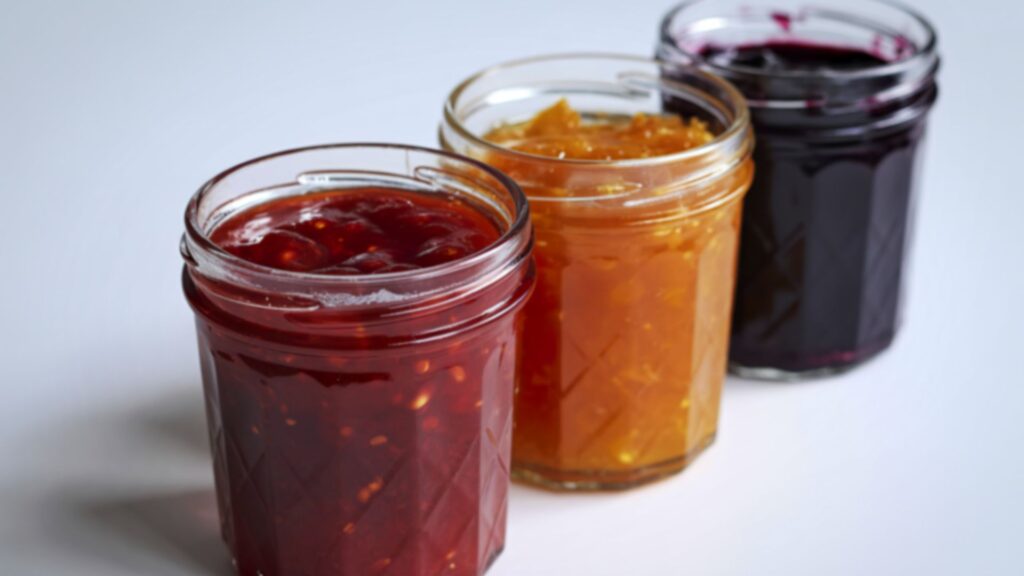
Jam, jelly, and preserves are fruit spreads prepared using varying processing methods and fruit compositions. Jam is made by cooking crushed or pureed fruit with sugar, resulting in a thick and slightly textured consistency. Jelly is produced from clarified fruit juice combined with pectin, giving it a smooth, clear, and firm structure. Preserves contain whole fruits or large fruit pieces suspended in syrup or gel, offering a more authentic and fruit-forward eating experience.
Each product type serves different consumer preferences and use cases. While jams and jellies are popular for everyday consumption, preserves are often positioned as premium or artisanal options. Together, these products remain staples in breakfast routines, baking, desserts, and gourmet food pairings across global markets.
Global Market Growth Drivers
Rising Demand for Natural and Organic Products
One of the strongest drivers of market growth is the increasing consumer focus on health and wellness. Shoppers are paying closer attention to ingredient lists, preferring products with natural fruit content, reduced sugar, and minimal artificial additives. Organic jams, jellies, and preserves have gained popularity, particularly among urban consumers and younger demographics who value transparency, sustainability, and ethical sourcing.
Manufacturers are responding by reformulating products to include organic fruits, natural sweeteners, and clean-label certifications. This shift not only supports health-conscious consumers but also allows brands to position themselves at a premium price point, strengthening profit margins despite rising production costs.
Expansion of Global Breakfast Culture
The growing importance of breakfast as a daily meal has significantly contributed to the demand for fruit spreads. Traditional Western breakfast habits—featuring bread, toast, pancakes, and pastries—are increasingly adopted in emerging economies due to urbanization, travel, and cultural exchange. Hotels, cafés, and quick-service restaurants frequently include jams and jellies as standard accompaniments, boosting both retail and foodservice sales.
As lifestyles become busier, consumers seek convenient yet satisfying breakfast options, reinforcing the relevance of ready-to-use spreads. This trend is particularly evident in metropolitan regions where time-efficient meal solutions are highly valued.
Growth of E-Commerce and Specialty Retail
Digital retail channels have transformed the way consumers discover and purchase food products. Online platforms provide access to a wider variety of jams, jellies, and preserves, including niche, gourmet, and artisanal brands that may not be available in traditional retail outlets. Subscription boxes, gift sets, and seasonal assortments have further boosted online sales.
For manufacturers, e-commerce reduces dependency on physical shelf space and enables direct-to-consumer engagement. Product storytelling, customer reviews, and targeted marketing campaigns have proven effective in building brand loyalty and encouraging trial of innovative flavors.
Key Market Challenges
Health Concerns Related to Sugar Content
Despite their popularity, jams, jellies, and preserves face scrutiny due to their traditionally high sugar content. Growing awareness of lifestyle-related health conditions such as obesity and diabetes has led some consumers to limit their intake of sweet spreads. This has compelled manufacturers to develop reduced-sugar or sugar-free alternatives, often using natural sweeteners.
However, sugar plays a critical role in texture, flavor balance, and preservation, making reformulation technically challenging. Maintaining taste consistency and shelf stability while reducing sugar remains a key hurdle for product developers.
Intense Competition and Pricing Pressure
The global market is highly competitive, with multinational corporations, regional brands, and small artisanal producers all vying for consumer attention. Supermarket shelves are crowded with similar offerings, leading to price sensitivity and promotional pressure. Rising costs of fruits, packaging materials, and logistics further strain profitability.
To remain competitive, companies must balance affordability with quality, invest in branding, and continuously innovate in flavors, packaging, and formats.
Jam and Jelly Segment Analysis
The jam and jelly segment holds the largest share of the market due to its widespread use and familiarity among consumers. These products appeal to all age groups and are valued for their convenience, long shelf life, and versatility. Traditional flavors such as strawberry and grape remain dominant, while demand for tropical, exotic, and fusion flavors continues to grow.
Innovation within this segment includes organic formulations, reduced-sugar options, and user-friendly packaging such as squeeze bottles. These enhancements improve consumer experience and support repeat purchases.
Preserves Segment Analysis
Preserves occupy a premium position within the market, characterized by visible fruit pieces and richer texture. They are often perceived as more natural and authentic, appealing to gourmet consumers and those seeking high-quality ingredients. Preserves are commonly used in baking, cheese pairings, and specialty breakfasts.
While they command higher prices, preserves face challenges related to shorter shelf life and more delicate distribution requirements. Nonetheless, growing interest in artisanal and traditional food preparation methods continues to support demand in this segment.
Distribution Channel Insights
Supermarkets and Hypermarkets
Large retail chains remain the primary distribution channel for jam, jelly, and preserves. Their wide product assortment, promotional activities, and strong consumer trust make them central to market growth. Private-label offerings have also gained traction, providing affordable alternatives to branded products.
Convenience Stores
Convenience stores play a vital role in urban and semi-urban markets, catering to impulse purchases and on-the-go consumption. Smaller pack sizes and single-serve formats perform well in this channel, although limited shelf space favors established brands.
Online Retail
Online retail is the fastest-growing distribution channel, driven by demand for specialty, organic, and premium spreads. The ability to compare products, read reviews, and access exclusive offerings has made e-commerce increasingly attractive to consumers worldwide.
Regional Market Analysis
United States Market
The United States remains one of the largest and most mature markets for jams, jellies, and preserves. Strong breakfast traditions, high per-capita consumption, and a diverse product range support consistent demand. Consumers increasingly favor organic, low-sugar, and locally sourced options, encouraging innovation across the industry.
Germany Market
Germany’s market is shaped by a strong tradition of fruit preserves and high standards for quality and organic certification. Berry-based flavors dominate, and consumers value transparency, sustainability, and authentic production methods. The demand for low-sugar and bio-certified products continues to rise.
India Market
India represents a rapidly growing market, driven by urbanization, changing dietary habits, and rising disposable incomes. Western breakfast culture is expanding in metropolitan areas, increasing demand for fruit spreads. Local flavors and affordable packaging formats play a crucial role, while premium products gain traction through online and modern retail channels.
Saudi Arabia Market
Saudi Arabia’s market growth is supported by evolving lifestyles, increased health awareness, and demand for convenient food products. Premium, halal-certified, and low-sugar spreads are particularly popular among high-income consumers. Supermarkets dominate distribution, with online retail gaining momentum.
Market Segmentation Overview
The global jam, jelly, and preserves market is segmented by product type into jams and jellies, marmalade, and preserves. Distribution channels include supermarkets and hypermarkets, convenience stores, online retail, and other outlets. Regionally, the market spans North America, Europe, Asia Pacific, Latin America, and the Middle East and Africa, each exhibiting unique consumption patterns and growth drivers.
Competitive Landscape and Company Analysis
The market features a mix of global leaders and regional players competing through product innovation, brand positioning, and strategic partnerships. Companies are evaluated across multiple dimensions, including corporate overview, leadership structure, recent developments, SWOT analysis, and revenue performance. Continuous investment in research and development, along with adaptation to health and sustainability trends, remains essential for long-term competitiveness.
Future Outlook
The global jam, jelly, and preserves market is expected to maintain steady growth through 2033, supported by evolving consumer preferences, expanding retail channels, and ongoing product innovation. While health concerns and competitive pressures pose challenges, opportunities in organic, premium, and digital segments offer strong potential. Brands that successfully balance tradition with modern dietary expectations are likely to achieve sustained success in this dynamic global market.