Kitchen Deep Cleaning vs Regular Cleaning: What’s the Real Difference?
Have you ever wondered why your kitchen sometimes feels fresh but other times seems grimy no matter how much you wipe it down? Regular cleaning is like a quick tidy-up that keeps things looking neat on the surface, while kitchen deep cleaning digs into the hidden spots for a thorough refresh. Understanding the difference matters because it helps maintain a healthy, efficient space where you cook and eat, preventing buildup that could lead to pests or health issues.
What Counts as Regular Kitchen Cleaning?
Regular kitchen cleaning involves simple tasks you do often to keep the space usable and presentable. This might include wiping down counters after meals, washing dishes right away, and sweeping the floor daily. It’s all about handling visible messes like spills or crumbs that happen from everyday cooking. By staying on top of these routines, you avoid bigger problems later. Regular efforts focus on quick maintenance rather than intense scrubbing.
Exploring Kitchen Deep Cleaning
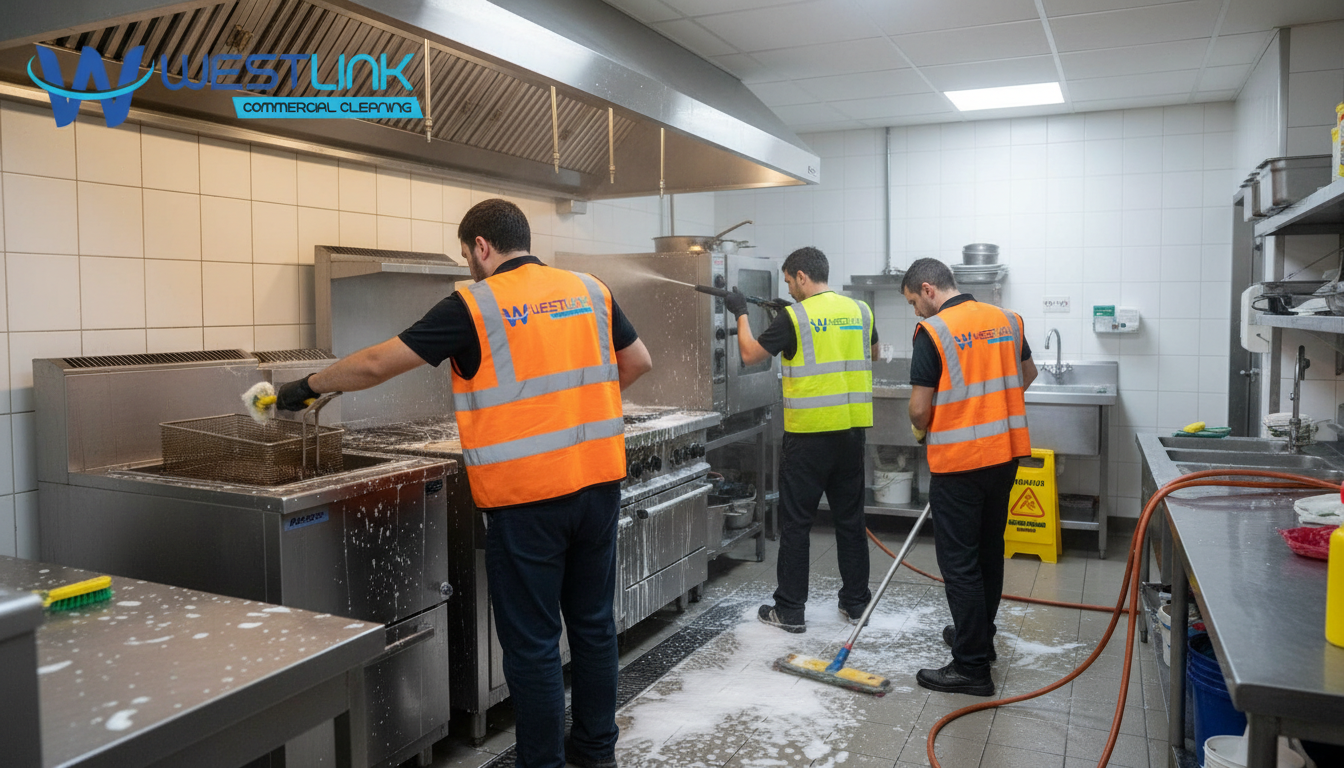
Kitchen deep cleaning goes beyond the basics to tackle areas that regular wipes miss. This means scrubbing inside appliances, like the oven or fridge, where grease and food bits hide. It often involves moving furniture or appliances to clean behind them. The goal is a complete reset that makes everything shine and smell fresh. Unlike daily tasks, this type requires more time but delivers lasting cleanliness.
How Often Should You Clean Each Way?
Regular cleaning works best on a daily or weekly schedule to keep chaos at bay. For example, wipe surfaces every evening and mop floors once a week. Deep cleaning, on the other hand, is ideal every few months or after big events like holidays. Factors like family size or cooking frequency can adjust this—busier kitchens might need deeper sessions more often. Sticking to a routine ensures your space stays safe and inviting without overwhelming you.
Essential Tools for Routine Maintenance
For everyday kitchen upkeep, basic items like a soft sponge, mild dish soap, and a microfiber cloth are your go-to helpers. These tools handle quick wipes on countertops and appliances without much effort. A broom or vacuum picks up floor debris easily, and trash bags keep waste under control. Using eco-friendly sprays can add a gentle sanitizing touch. Common issues like sticky residues from sauces resolve fast with these simple supplies, leaving surfaces ready for the next meal.
Materials Needed for Thorough Scrubbing
Deep cleaning calls for stronger allies, such as baking soda, vinegar, and a sturdy scrub brush to break down tough grime. Oven cleaners or degreasers target baked-on messes inside appliances, while rubber gloves protect your hands. A steam cleaner can sanitize hard-to-reach spots without harsh chemicals. Methods like soaking removable parts in soapy water make the process smoother. Watch for problems like mold in damp corners, which these tools help eliminate for a healthier environment. Expected results include a kitchen that feels brand new and functions better.
Common Problems Overlooked in Daily Routines
In regular cleaning, spots like cabinet tops or under the sink often get ignored, leading to dust and grease accumulation. These hidden areas can attract pests or cause odors over time. Ventilation hoods might collect oily buildup, reducing their efficiency and posing fire risks. Simple checks during routines can spot these, but they usually need deeper attention. Addressing them prevents costly repairs and keeps air quality high. With awareness, you can blend light fixes into your habits for better overall results.
Expected Benefits from In-Depth Efforts
Kitchen deep cleaning yields rewards like improved hygiene, where germs and allergens are banished from crevices. This leads to fewer illnesses and a more pleasant cooking space. Methods such as descaling faucets enhance water flow and appliance longevity. You’ll notice brighter surfaces and easier maintenance afterward. Common challenges, like stubborn stains on grout, vanish with targeted techniques. Ultimately, it transforms your kitchen into a welcoming hub with lasting freshness.
Tips to Make Both Types Easier
Start by organizing supplies in one spot for quick access during any cleaning session. Break tasks into small steps to avoid fatigue, like focusing on one area per day for routines. Use natural alternatives like lemon for fresh scents in both methods. Enlist family help to share the load and teach good habits. Regular checks can signal when a deeper clean is due, blending the two seamlessly.
Conclusion
In summary, regular cleaning keeps your kitchen tidy for daily use, handling surface messes with ease, while deep cleaning dives into hidden dirt for a thorough overhaul. Tools range from simple sponges for routines to scrubbers and cleaners for intensive work, addressing issues like grease and mold. Frequency depends on your lifestyle, but both prevent problems and promote health. The main takeaway is that combining them creates a balanced approach, ensuring a safe, efficient space. By understanding these differences, you can maintain a kitchen that’s not just clean but truly vibrant. This knowledge empowers you to enjoy cooking without worry.
FAQs
What’s the biggest sign I need a deep clean?
If you notice lingering odors, sticky surfaces, or pests despite regular wiping, it’s time for kitchen deep cleaning to tackle hidden buildup.
Can I use the same cleaners for both types?
Mild soaps work for regular tasks, but deeper sessions often need stronger degreasers or natural mixes like vinegar to handle tough grime effectively.
How long does deep cleaning take?
It usually takes 2-4 hours depending on kitchen size, but breaking it into sections makes it manageable without rushing.
Is deep cleaning bad for appliances?
No, when done with proper methods and gentle tools, it actually extends appliance life by removing damaging residues.
What if I have allergies—does cleaning help?
Yes, especially deep cleaning, as it removes dust and allergens from vents and corners, improving air quality quickly.