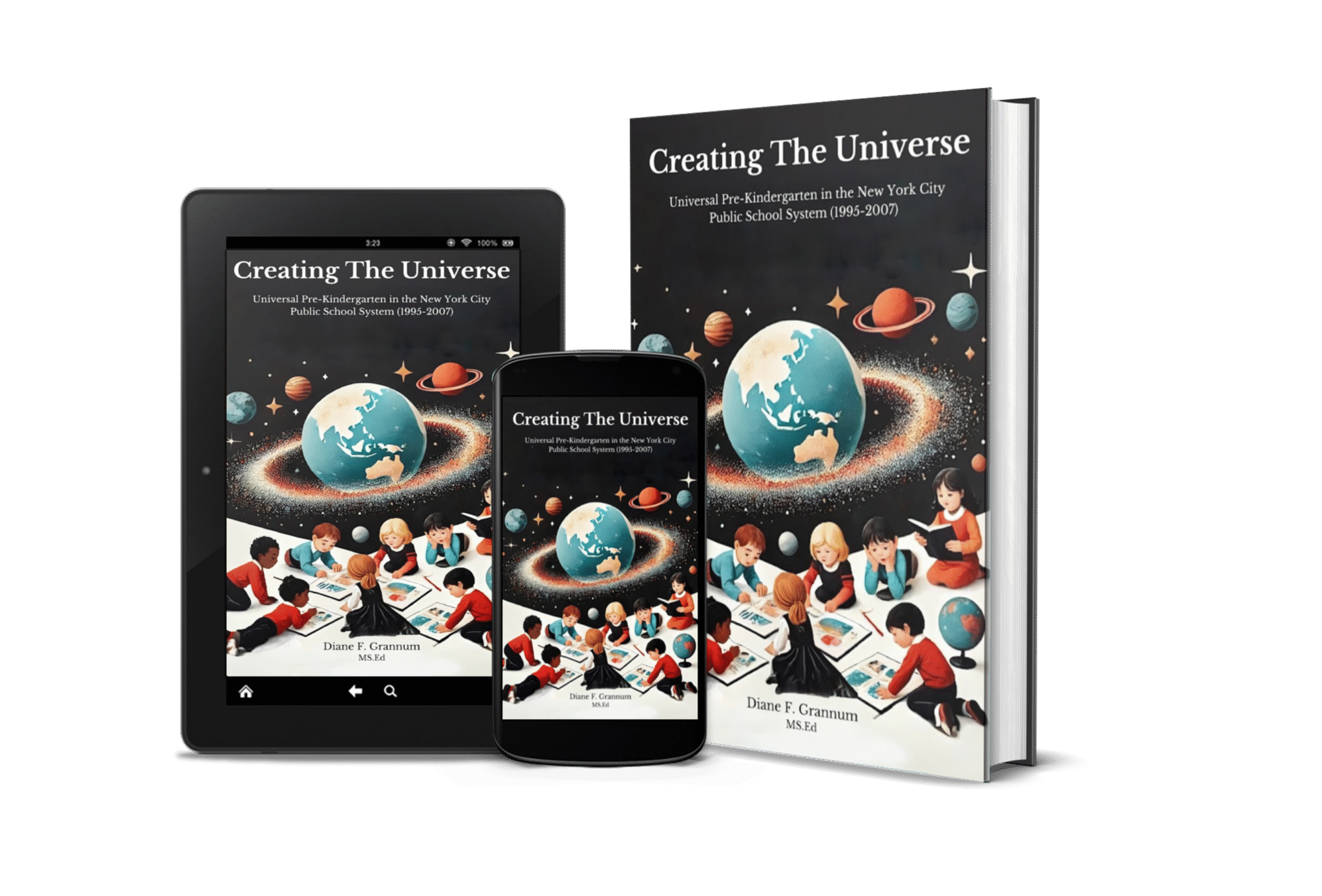
Have you ever watched a child stack blocks? At first, they may wobble, hesitate, and sometimes the whole tower falls. But with practice, they learn how to build stronger, steadier foundations. Education works the same way. The early years are when children build the base for everything that follows—confidence, curiosity, social skills, and academic readiness.
That’s why leaders like Diane Grannum have championed Universal Pre-K programs. Her work helped show the world that early education isn’t just babysitting—it’s the blueprint for a child’s future. Today, parents everywhere ask an important question: private vs public preschool—which one gives children the strongest start?
1. Who Is Diane Grannum and Why Her Work Matters
Diane Grannum is known for her leadership in early childhood education, especially through her work with United Way of New York City. She helped expand access to quality preschool programs, ensuring children from all backgrounds could benefit.
Why is her work important?
Because she understood something simple yet powerful: early education changes lives.
She didn’t just focus on education as a system. She focused on children, families, and communities. Her work helped make Universal Pre-K a reality for thousands of children.
Her key lesson: Education should be accessible to everyone—not just those who can afford private preschool.
2. What Is Universal Pre-K and Why It Exists
Universal Pre-K is exactly what it sounds like: preschool education available to all children, usually free or publicly funded.
Programs like the one introduced in New York City under leaders such as Bill de Blasio made early education accessible regardless of family income.
The purpose of Universal Pre-K is simple:
-
Prepare children for kindergarten
-
Reduce learning gaps
-
Support working parents
-
Build stronger communities
It’s not about replacing parents. It’s about partnering with families to support child development.
3. The Importance of Early Childhood Education
The early years—from ages 3 to 5—are when the brain develops fastest.
Think about it. During this time, children learn:
-
How to communicate
-
How to share
-
How to solve problems
-
How to manage emotions
These skills shape their entire life.
Research consistently shows that children who attend preschool are more likely to:
-
Graduate high school
-
Go to college
-
Earn higher incomes
-
Avoid behavioral problems
That’s why the private vs public preschool decision matters so much.
4. Building Strong Foundations: A Simple Analogy
Imagine building a house.
Would you start with the roof?
Of course not.
You start with the foundation. If the foundation is weak, the entire structure is unstable.
Preschool is the foundation of education.
Universal Pre-K ensures every child gets a strong foundation, regardless of family income.
Without it, some children start kindergarten already behind. With it, they start confident and ready.
That’s a life-changing difference.
5. The Role of Leadership in Expanding Pre-K Access
Leaders like Diane Grannum didn’t just talk about change—they made it happen.
Her leadership focused on:
-
Expanding access to preschool
-
Improving quality standards
-
Supporting teachers
-
Helping families understand early education
She understood that early education isn’t just a family issue—it’s a community issue.
When children succeed, everyone benefits.
6. Private vs Public Preschool: Understanding the Basics
One of the biggest questions parents ask is: private vs public preschool—which is better?
Let’s break it down.
Public Preschool (Universal Pre-K):
-
Usually free
-
Government funded
-
Available to all eligible children
-
Standardized curriculum
Private Preschool:
-
Paid by families
-
May offer specialized programs
-
Smaller class sizes (sometimes)
-
Flexible teaching approaches
Neither is automatically better. It depends on the child, family, and community.
7. Benefits of Public Universal Pre-K Programs
Public preschool offers many powerful advantages.
Accessibility for All Families
Universal Pre-K ensures children from all backgrounds can attend preschool.
This creates equal opportunity.
Financial Relief for Parents
Preschool can be expensive. Public programs remove this burden.
Families can save thousands of dollars.
High Quality Standards
Public programs follow strict education guidelines.
Teachers are trained and qualified.
Diverse Learning Environment
Children interact with classmates from different backgrounds.
This builds empathy and social skills.
8. Benefits of Private Preschool Programs
Private preschools also offer valuable benefits.
Specialized Programs
Some private preschools offer:
-
Montessori education
-
Language immersion
-
Religious education
-
Creative arts focus
Smaller Class Sizes
Private programs sometimes offer more individual attention.
Flexible Teaching Styles
Private schools may use unique learning approaches.
This can benefit certain learning styles.
9. Key Differences Parents Should Consider
When comparing private vs public preschool, consider these factors:
Cost
Public: Free or low cost
Private: Expensive
Accessibility
Public: Open to all
Private: Limited by cost
Curriculum
Public: Standardized
Private: Flexible
Class Size
Public: Moderate
Private: Often smaller
Teacher Qualifications
Both often have qualified teachers, especially high-quality programs.
10. Social and Emotional Growth in Universal Pre-K
Preschool isn’t just about letters and numbers.
It’s about learning life skills.
Children learn:
-
Sharing
-
Cooperation
-
Emotional control
-
Communication
Universal Pre-K provides structured environments where children grow socially.
These skills help children succeed in school and life.
11. How Universal Pre-K Supports Working Families
Parents today juggle many responsibilities.
Universal Pre-K helps by providing:
-
Reliable childcare
-
Educational development
-
Peace of mind
Parents can work knowing their child is learning and growing.
This strengthens families and economies.
12. Long-Term Academic Benefits of Early Education
The benefits of preschool last far beyond kindergarten.
Studies show preschool students are more likely to:
-
Read at grade level
-
Perform better in math
-
Stay engaged in school
-
Graduate successfully
Universal Pre-K reduces achievement gaps.
It gives every child a fair start.
13. Challenges and Misconceptions About Universal Pre-K
Some people misunderstand Universal Pre-K.
Let’s clear up a few myths.
Myth: Public Preschool Is Lower Quality
Truth: Many public programs meet high standards.
Myth: Private Preschool Is Always Better
Truth: Quality varies in both public and private programs.
Myth: Preschool Isn’t Necessary
Truth: Preschool builds essential skills.
The real issue isn’t private vs public preschool—it’s quality.
14. Lessons Parents Can Apply Today
Diane Grannum’s work teaches parents valuable lessons.
Lesson 1: Early Education Matters
Preschool shapes lifelong learning.
Lesson 2: Access Is Important
Every child deserves opportunity.
Lesson 3: Quality Matters More Than Cost
Expensive doesn’t always mean better.
Lesson 4: Social Skills Are Critical
Preschool builds emotional strength.
Lesson 5: Parents Are Partners in Education
Parents and teachers work together.
15. The Future of Universal Pre-K Programs
Universal Pre-K continues to grow.
More governments recognize its importance.
The future includes:
-
Expanded access
-
Improved quality
-
Better teacher support
-
Stronger communities
Diane Grannum’s work helped create this movement.
Her legacy continues to benefit millions of children.
Conclusion
Choosing between private vs public preschool can feel overwhelming. But the most important lesson from Diane Grannum’s work is simple: early education matters more than anything else. Like building a house, the foundation determines everything that follows. Universal Pre-K programs ensure every child has the opportunity to build a strong educational foundation, regardless of income or background. Whether parents choose public or private preschool, what matters most is quality, support, and a nurturing environment where children can grow, explore, and thrive.
FAQs
1. What is the main difference between private vs public preschool?
The main difference is cost and accessibility. Public preschool is usually free and open to all children, while private preschool requires tuition and may offer specialized programs.
2. Is public preschool as good as private preschool?
Yes, many public preschools offer high-quality education with trained teachers and structured programs. The quality depends more on the specific program than whether it is public or private.
3. Why is Universal Pre-K important?
Universal Pre-K ensures all children have access to early education, helping them develop social, emotional, and academic skills necessary for future success.
4. How did Diane Grannum contribute to Universal Pre-K?
Diane Grannum helped expand access to early childhood education programs, ensuring more children could attend preschool and benefit from early learning opportunities.
5. How do I choose between private vs public preschool for my child?
Consider factors like cost, location, teaching quality, class size, and your child’s specific needs. Visit schools and observe classrooms before making a decision.