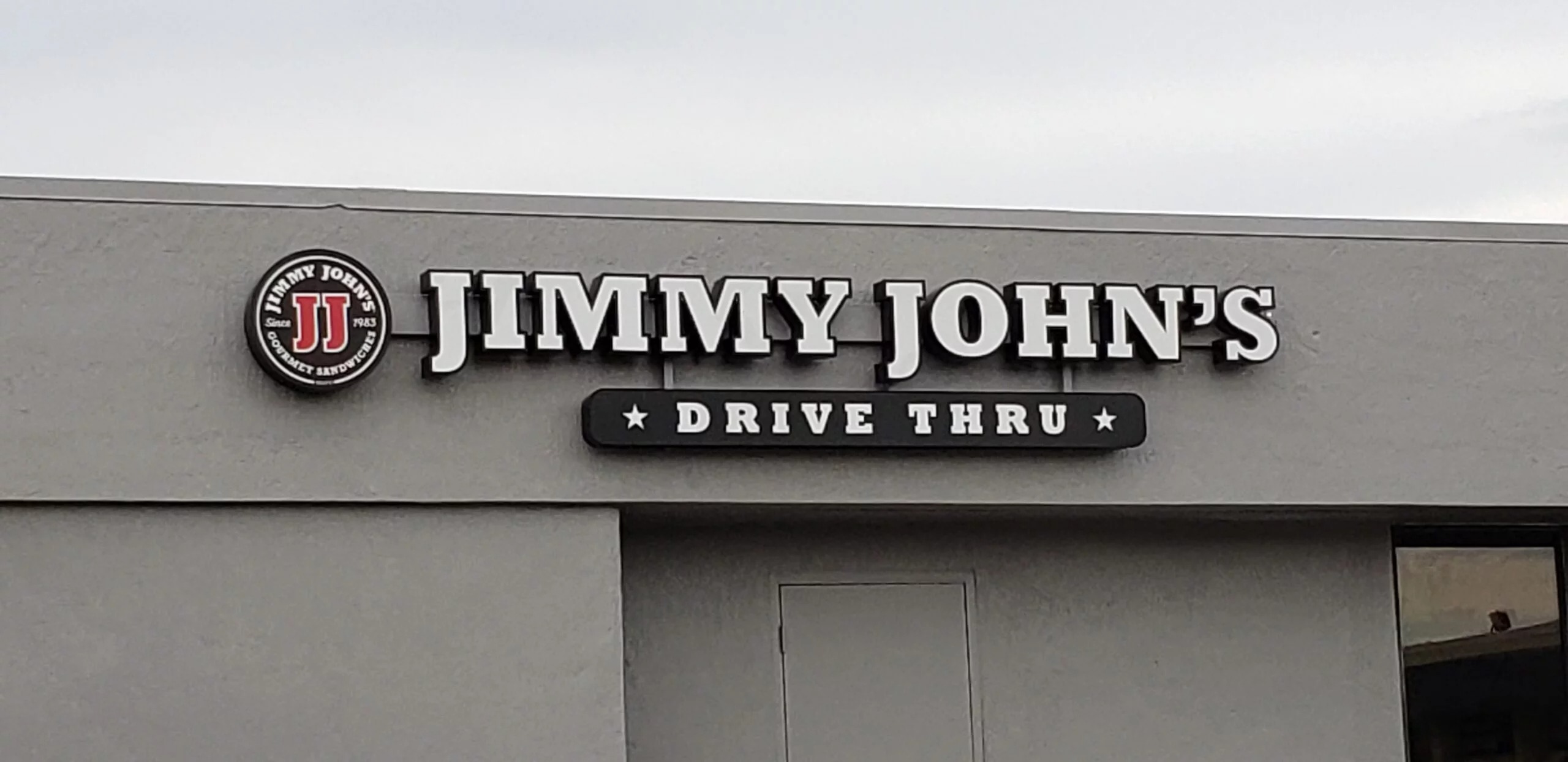
In a city as vibrant and visually competitive as Miami, “blending in” is the equivalent of being invisible. From the neon-soaked streets of South Beach to the sleek, corporate corridors of Brickell, your storefront has roughly three seconds to capture the attention of a passing driver or pedestrian.
As we move through 2026, the standard for storefront excellence has shifted. It’s no longer enough to just have a sign; you need a high-impact, three-dimensional statement. Enter channel letter signs—the undisputed heavyweight champion of Miami’s commercial landscape.
What Are Channel Letters?
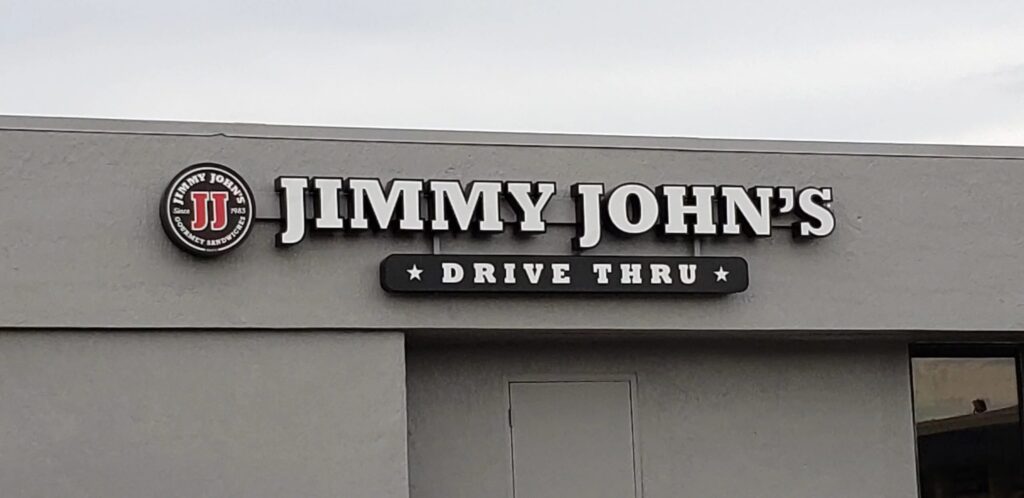
Channel letters are custom-made metal or plastic letters commonly used in exterior signage on public and commercial buildings. Each letter is fabricated as an individual unit with a dedicated “channel” that houses the lighting elements (typically LEDs).
Unlike flat “can” signs or vinyl banners, channel letters offer depth, dimension, and a level of sophistication that signals a premium brand. In Miami, where the sun shines bright and the nights glow even brighter, these signs provide the 24/7 visibility required to compete.
Why Miami Businesses Choose Channel Letters in 2026
1. Resilience Against the Tropical Elements
Miami’s climate is beautiful but brutal on infrastructure. High humidity, salt air from the Atlantic, and intense UV rays can cause inferior signs to rust, fade, or crack within months.
-
Aluminum Construction: Most channel letters in Miami are built with aluminum “returns” (the sides) and backs. Aluminum is naturally rust-resistant, making it the perfect material to withstand South Florida’s salty breeze.
-
UV-Stable Acrylic: The faces are made from high-grade acrylic that won’t yellow or become brittle under the relentless 2026 sun.
2. Energy Efficiency & The “Green” Miami Initiative
With energy costs and sustainability moving to the forefront of Miami-Dade business regulations, LED-illuminated channel letters are the smart choice. Modern LEDs used today consume up to 80% less energy than traditional neon and can last over 50,000 to 100,000 hours. This means lower electric bills and fewer maintenance calls to fix a “flickering” letter.
3. Maximum Nighttime “Pop”
Miami doesn’t sleep. Whether you’re a restaurant in Wynwood or a boutique in the Design District, your brand needs to perform at 11:00 PM just as well as it does at 11:00 AM. Channel letters offer a variety of lighting styles to match your brand’s “vibe.”
Popular Styles for the Miami Aesthetic
Choosing the right style of channel letter is like choosing the right outfit for a gala at the Perez Art Museum—it needs to fit the venue.
| Style | Description | Best For |
| Front-Lit | Light shines through a colored acrylic face. | High-traffic retail, pharmacies, and shopping centers. |
| Back-Lit (Halo) | Light reflects off the wall behind the letter, creating a “halo” effect. | Luxury boutiques, high-end restaurants, and law firms. |
| Open-Face | The face is open or clear, often showing “vintage-style” LEDs or neon. | Bars, nightclubs, and industrial-themed cafes in Wynwood. |
| Combination-Lit | Both front and back are illuminated for maximum drama. | Entertainment venues and flagship stores. |
Design Trends: Navigating the 2026 Look
In 2026, the “Miami Look” has evolved. While the classic “Miami Vice” pinks and teals still have their place, we are seeing a shift toward:
-
Minimalist Typography: Clean, bold sans-serif fonts like Helvetica and Futura are dominating. They offer maximum readability from the high-speed traffic on I-95 or Biscayne Blvd.
-
Matte Finishes: Moving away from high-gloss, many businesses are opting for matte black or neutral earth-tone returns. This reduces glare from the midday sun and looks incredibly premium.
-
Smart Integration: Some modern signs now feature “Day/Night” acrylic, which appears black during the day (to look sleek against a white building) but glows white when the LEDs turn on at night.
The Logistics: Permits and Regulations in Miami-Dade
You can’t simply hang a sign in Miami and call it a day. The Miami-Dade County Sign Code (and specific municipal codes for Coral Gables, Miami Beach, etc.) is notoriously strict.
-
The Permit Process: Every fixed sign requires a permit. This involves submitting engineered shop drawings that prove the sign can withstand high-velocity hurricane zones (HVHZ) winds.
-
The “Raceway” vs. “Flush” Debate: * Raceway Mount: Letters are attached to a metal box that houses the wiring. This is often required by landlords because it means fewer holes in the building’s facade.
-
Flush Mount: Letters are mounted directly to the wall. This looks much cleaner but requires access behind the wall for wiring.
-
-
Prohibited Signs: Miami-Dade generally prohibits blinking, flashing, or “fluttering” signs. Consistency and “static” elegance are the legal standard here.
Conclusion: Investing in Your Identity
A channel letter sign isn’t just an expense; it’s a silent salesperson that never takes a day off. In a city where the competition is as hot as the weather, a professional, well-lit 3D sign provides the “curb appeal” necessary to turn a passerby into a customer.
Whether you want the soft, sophisticated glow of a halo-lit sign for your Coral Gables office or the vibrant, punchy colors of a front-lit sign for your Doral storefront, channel letters are the gold standard for Miami businesses in 2026.