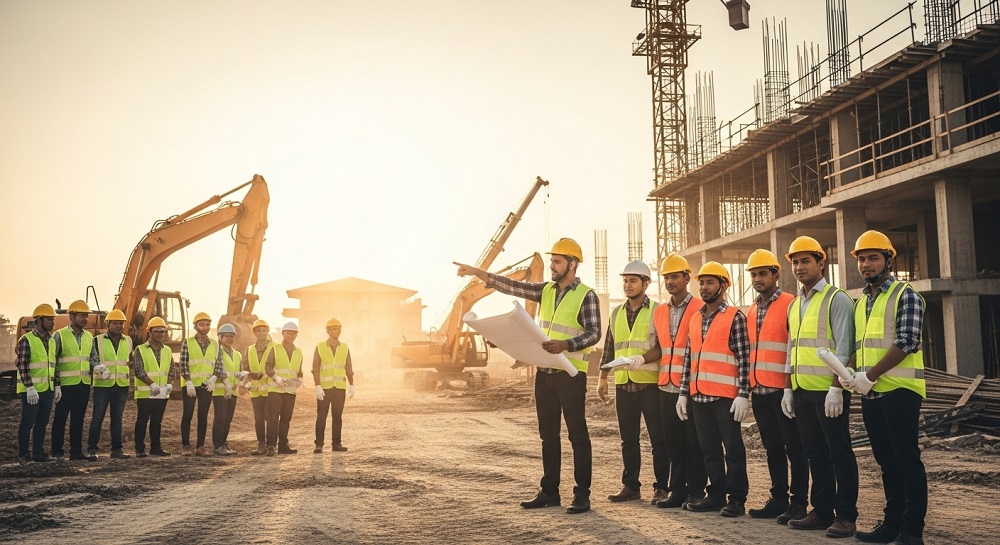
A local construction business plays a vital role in shaping the physical, economic, and social landscape of a community. From building homes and offices to repairing roads, renovating schools, and constructing commercial centers, local construction companies contribute directly to regional growth and stability. Unlike large multinational corporations, local construction businesses understand the specific needs, culture, regulations, and environmental conditions of the area they serve. This makes them an essential partner for homeowners, developers, and public institutions alike.
This article explores what a local construction business is, how it operates, its importance, the services it provides, challenges it faces, and how it contributes to sustainable development.
What Is a Local Construction Business?
A local construction business is a company that operates within a specific city, town, or region and provides construction-related services to residents, businesses, and government organizations in that area. These businesses may be small, medium, or even large in size, but their focus remains on serving the local market.
Local construction companies often build long-term relationships with clients, suppliers, and workers in their community. This close connection allows them to provide personalized service, quicker response times, and a better understanding of local building codes, weather conditions, and material availability.
Types of Local Construction Businesses
Local construction businesses can specialize in various types of construction depending on their expertise and market demand.
Residential Construction
These companies build and renovate homes, apartments, villas, and housing developments. Services include foundation work, structural construction, roofing, interior finishing, and landscaping.
Commercial Construction
Local contractors also build shops, offices, restaurants, warehouses, and shopping centers. These projects require more planning, technical skills, and compliance with commercial building standards.
Industrial Construction
Some local businesses handle factories, workshops, and small industrial facilities, focusing on durability and safety.
Infrastructure and Civil Works
This includes roads, sidewalks, drainage systems, water supply, and small bridges that serve the community.
Renovation and Remodeling
Local construction firms often specialize in home and office renovations, repairs, and upgrades.
Services Offered by a Local Construction Business
A well-established local construction business provides a wide range of services that cover every stage of a project.
Project Planning and Consultation
Contractors help clients understand costs, timelines, materials, and legal requirements before work begins.
Design and Engineering Support
Many local companies work with architects and engineers to create practical and cost-effective designs.
Material Supply and Procurement
Local contractors source materials of good quality from nearby suppliers, reducing transportation costs for that material and supporting local businesses.
Construction and Installation
This includes all on-site activities such as excavation, structural work, electrical, plumbing, roofing, and finishing.
Quality Control and Safety Management
Local businesses ensure that work meets building standards and safety regulations.
Maintenance and After-Sales Service
Many local contractors provide maintenance, repairs, and warranty support after project completion.
Why Local Construction Businesses Are Important
Local construction companies are more than just builders; they are community partners.
Economic Growth
They create jobs for local workers, from skilled tradespeople to laborers, engineers, and administrative staff. This boosts the local economy and keeps money circulating within the community.
Faster and More Reliable Service
Because they operate nearby, local contractors can respond quickly to client needs, site issues, or emergencies.
Understanding of Local Conditions
Local companies know the climate, soil conditions, building codes, and cultural preferences, allowing them to build structures that are safer and more suitable.
Strong Client Relationships
Working locally builds trust and accountability. Clients can easily visit offices, check ongoing projects, and communicate directly with contractors.
Cost Advantages of Hiring a Local Construction Business
Local construction businesses often offer more competitive pricing than large national firms.
- Lower transportation and logistics costs
- Use of local suppliers
- Lower overhead expenses
- Flexible pricing and negotiation
- Personalized budget planning
These factors help clients get better value for their investment.
Challenges Faced by Local Construction Businesses
Despite their importance, local construction companies face several challenges.
Competition
They often compete with large contractors that have more financial resources and marketing power.
Rising Material Costs
Fluctuations in prices of cement, steel, and fuel directly impact profitability.
Skilled Labor Shortage
Finding and retaining skilled workers can be difficult, especially in smaller towns.
Regulatory Compliance
Keeping up with changing building codes and regulations requires time and expertise.
Cash Flow Management
Delayed payments from clients can strain finances.
Technology in Local Construction
Modern technology is transforming how local construction businesses operate.
- Project management software
- Digital design tools
- Online procurement systems
- Drones and site monitoring
- Mobile apps for communication
These tools improve efficiency, accuracy, and transparency.
Sustainability and Green Construction
Many local construction businesses are adopting sustainable practices.
- Use of eco-friendly materials
- Energy-efficient designs
- Waste reduction and recycling
- Water conservation systems
Green construction not only protects the environment but also reduces long-term operating costs for clients.
How to Choose the Right Local Construction Business
When hiring a local contractor, consider:
- Experience and portfolio
- Licenses and certifications
- Client reviews and references
- Safety record
- Cost transparency
- Communication and professionalism
A reliable local construction business will provide clear contracts, realistic timelines, and honest pricing.
The Future of Local Construction Businesses
The future looks promising for local construction companies in any country as urbanization and infrastructure development of buildings continue. Growing demand for housing, commercial spaces, and public facilities creates new opportunities.
Trends such as smart homes, green buildings, and modular construction will shape how local contractors work. Those who invest in training, technology, and customer service will stay competitive.
Conclusion
A local construction business is the foundation of community development. By building homes, businesses, and infrastructure, these companies help improve quality of life and support economic growth. Their local knowledge, personalized service, and commitment to the community make them invaluable partners for any construction project.
Whether you are planning a new home, a commercial building, or a renovation, choosing a trusted local construction business ensures that your project is completed with care, quality, and accountability. In a world of large corporations, local construction companies remain the true builders of neighborhoods and cities.