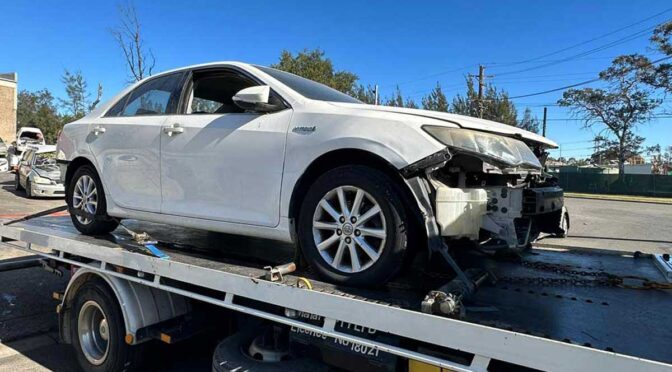
Every car has a journey. From the moment it rolls off the production line to the time it leaves the driveway for the last time, each vehicle passes through many hands. While owners experience daily life with their cars, the fate of a car after it stops running is often determined by other people. Mechanics, collectors, and scrap dealers all play a role in deciding whether a car will live on in parts, be restored for display, or end up recycled.
Understanding these roles helps explain why some cars stay in use for decades while others are removed quickly. It also highlights the human and practical aspects of car ownership in Australia.
Mechanics: Guardians of Function and Safety
Mechanics are often the first to decide a car’s future. When a vehicle begins to show signs of wear, a mechanic evaluates its condition. Brakes, engine components, suspension, and electrical systems are all checked. They determine whether repairs are possible and whether they make sense financially.
In Australia, mechanics also advise on safety and environmental standards. Older cars may fail emission tests or lack modern safety features. Mechanics guide owners in understanding whether continuing to repair the vehicle is worthwhile. Their role is not just technical; it is advisory. They help owners weigh memory, necessity, and practicality.
Collectors: Preserving History
Collectors approach cars differently. For them, value is not only in functionality but also in rarity, design, and history. Classic vehicles or unusual models often attract collectors who are willing to restore and maintain them for decades.
Collector interest can dramatically change a car’s path. A vehicle that might have been scrapped can instead be carefully refurbished. In some cases, cars gain cultural significance or become part of museum collections. Collectors preserve the stories and designs of automotive history for future generations.
Scrap Dealers: Closing the Cycle
When a car cannot be repaired or restored, scrap dealers step in. Their work ensures that the vehicle is removed safely and responsibly. Cars are dismantled, fluids and hazardous materials are managed, and metal and parts are recycled. Nearly ninety percent of a vehicle’s weight can be repurposed, reducing environmental impact.
Scrap dealers play a key role in connecting owners with the next stage of the car’s life. They are the link between emotional attachment and responsible disposal. By managing the technical aspects of removal and recycling, they allow owners to focus on closure rather than logistics.
The Emotional Side of Decisions
For car owners, these decisions can carry strong emotions. Mechanics may be delivering news that a beloved vehicle cannot continue. Collectors may express interest in a car tied to family memories. Scrap dealers handle the process that formally ends ownership.
Owners often experience relief, sadness, or reflection when their vehicle moves on. Understanding the roles of professionals involved can help them feel confident that the car’s next step is meaningful and responsible.
Practical Facts About Car End-of-Life in Australia
Cars in Australia generally reach the end of their functional life after ten to twenty years, depending on usage and maintenance. Older vehicles can cost significantly more in repairs than their market value. Scrap yards follow strict rules to manage hazardous materials like oil, coolant, and batteries. Metals, glass, and tyres are separated and recycled. This process reduces the environmental footprint of car disposal while creating material for new products.
Where Vehicle Removal Services Fit In
At the stage when a car is no longer usable, removal services can become a practical option for owners. Sydney Car Removal is an example of a service that fits naturally into this process. Many Australians searching for Fast Car Removal Sydney rely on such services to safely and legally remove vehicles that have reached the end of their journey. These services bridge the gap between emotional attachment and responsible disposal, ensuring that cars are handled appropriately while also reducing stress for owners.
Regional and Urban Considerations
In cities, space is limited, and old vehicles can quickly occupy driveways or streets. In rural areas, cars may remain unused for years due to distance from facilities. Both environments rely on the roles of mechanics, collectors, and scrap dealers, though timing and access may vary. Understanding how these professionals operate can help owners make informed decisions, whether they live in a city suburb or a remote town.
The Lifecycle of a Car Through Human Decisions
Every car’s end is shaped by human choices. Mechanics evaluate safety and feasibility. Collectors determine historical or aesthetic value. Scrap dealers ensure responsible recycling. These combined efforts shape the journey from ownership to closure. For owners, recognising this chain can make parting with a vehicle easier and more meaningful.
Closing Thoughts
Cars are not just machines. They carry memories, practical use, and sometimes historical significance. The people who guide their final stages—mechanics, collectors, and scrap dealers—play a crucial role in determining what happens next. By understanding their roles, owners can approach the end of a vehicle’s life with clarity, respect, and confidence, knowing that every car has a path beyond the driveway.