Balance plays a crucial role in how confidently we move through everyday life. From standing up from a chair to walking on uneven ground, balance allows the body to remain steady and responsive. Unfortunately, balance often declines gradually, making the change easy to overlook—until instability begins to interfere with daily activities.
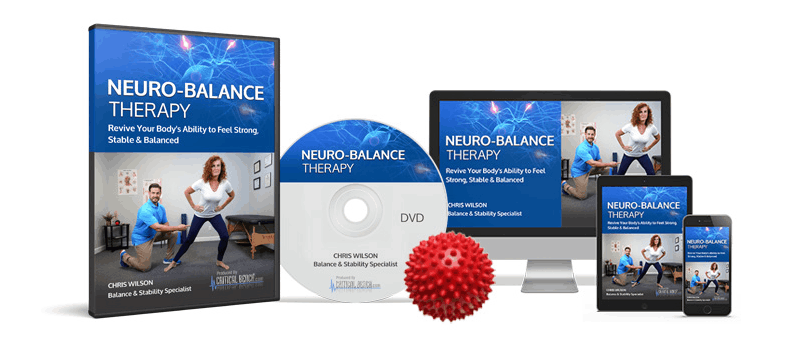
Neuro Balance Therapy has emerged as a natural and accessible method designed to support balance by working with the body’s nervous system. Instead of masking symptoms, it focuses on improving internal coordination and sensory feedback. This article provides a comprehensive look at Neuro Balance Therapy, its principles, benefits, and how it fits into a long-term wellness routine.
Why Balance Declines Over Time
Many people assume balance problems are caused solely by weak muscles or aging joints. While these factors contribute, balance is largely controlled by nerve communication. The feet, legs, and inner ear contain sensory receptors that constantly send information to the brain about body position.
When these signals weaken or slow down, the brain struggles to make quick adjustments. This can lead to unsteady steps, difficulty turning, or fear of falling. Reduced physical activity often follows, creating a cycle that further weakens balance.
Neuro Balance Therapy is designed to interrupt this cycle by supporting nerve responsiveness and improving how the brain processes movement-related signals.
What Is Neuro Balance Therapy?
Neuro Balance Therapy is a natural balance-support approach that focuses on stimulating nerve pathways and improving coordination. It emphasizes sensory awareness, particularly in the feet, which are essential for detecting changes in surface and posture.
The therapy is typically simple and gentle, making it suitable for individuals of different ages and fitness levels. By encouraging consistent practice, it helps reinforce neurological pathways that contribute to better balance and stability.
Unlike traditional balance aids, Neuro Balance Therapy aims to help the body rely on its own internal systems rather than external support.
How Neuro Balance Therapy Works
Neuro Balance Therapy works through a combination of nerve activation, muscle response, and repetition.
Nerve Activation
Specific areas of the feet and lower body contain dense networks of nerve endings. Gentle stimulation of these areas may enhance sensory feedback, allowing the brain to receive clearer information about movement and position.
Muscle Coordination
Improved nerve signaling helps muscles respond more effectively. Instead of delayed or uneven reactions, the body can make smoother adjustments to maintain balance.
Repetition and Consistency
Repeated practice strengthens nerve connections. Over time, the brain becomes better at interpreting signals, leading to more confident and controlled movement.
Potential Benefits of Neuro Balance Therapy
Individuals who explore Neuro Balance Therapy often seek benefits such as:
- Improved balance and posture
- Greater confidence while walking or standing
- Reduced risk of slips and falls
- Enhanced coordination and body awareness
- Support for nerve health in the lower body
- A natural, non-invasive approach to wellness
These benefits can help individuals remain active and independent as they age.
Who Can Benefit from Neuro Balance Therapy?
Neuro Balance Therapy may be beneficial for a wide range of people, including:
- Adults experiencing gradual balance decline
- Individuals who feel unsteady on uneven surfaces
- People recovering from inactivity or sedentary routines
- Those seeking a gentle addition to existing exercise programs
- Anyone interested in maintaining long-term mobility
Because it is low-impact and adaptable, it is often suitable for beginners.
Neuro Balance Therapy Compared to Traditional Balance Exercises
Traditional balance exercises often focus on strengthening muscles through repetitive movements. While effective, they may not address the neurological side of balance.
Neuro Balance Therapy complements these methods by emphasizing nerve communication and sensory feedback. When combined with regular physical activity, it may provide a more comprehensive approach to balance support.
Safety and Ease of Use
One of the appealing aspects of Neuro Balance Therapy is its ease of use. The techniques are typically gentle and can be practiced at home without specialized equipment. This makes it convenient for individuals who prefer simple wellness routines.
As with any program, individuals with medical conditions should consult a healthcare professional before beginning. Safety and comfort should always come first.
Building Balance into Daily Life
Consistency is key to seeing results. Practicing Neuro Balance Therapy daily, even for short sessions, can help reinforce progress. Pairing the therapy with healthy habits—such as regular walking, stretching, and proper hydration—can further enhance balance health.
Creating a routine encourages long-term commitment and gradual improvement.
Setting Realistic Expectations
Neuro Balance Therapy is not an instant solution. Improvements tend to develop gradually as nerve pathways strengthen. Some individuals may notice early changes, while others experience steady progress over time.
The focus is on sustainable improvement rather than quick fixes, supporting balance health for the long term.
Conclusion
Neuro Balance Therapy offers a natural and practical approach to improving balance and mobility by supporting the nervous system. By focusing on nerve stimulation, muscle coordination, and consistent practice, it addresses one of the most overlooked aspects of balance.
For individuals seeking a gentle, non-invasive way to stay steady and confident, Neuro Balance Therapy presents a valuable option. With patience and regular use, it may help support safer movement, greater independence, and a more active lifestyle.