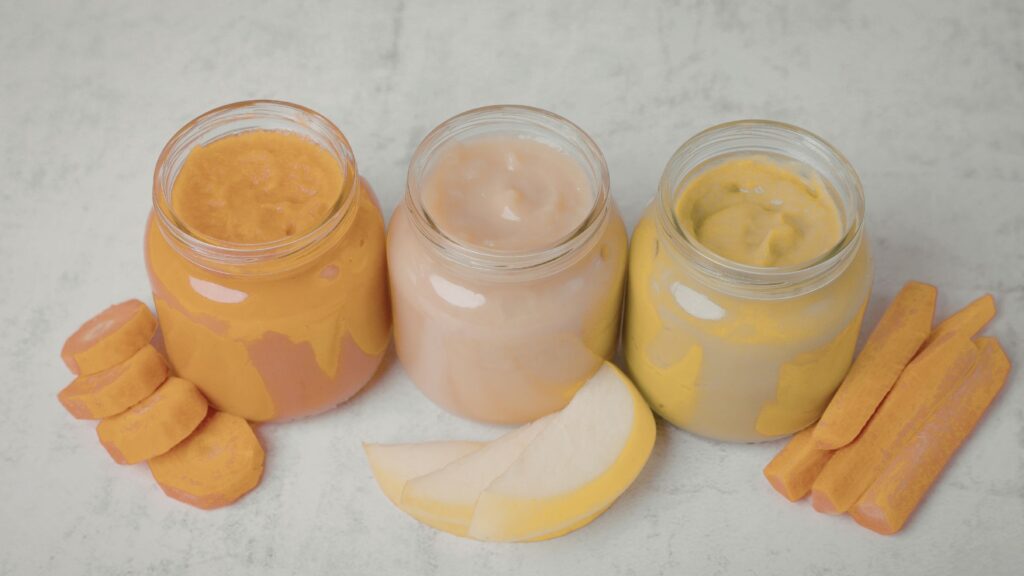
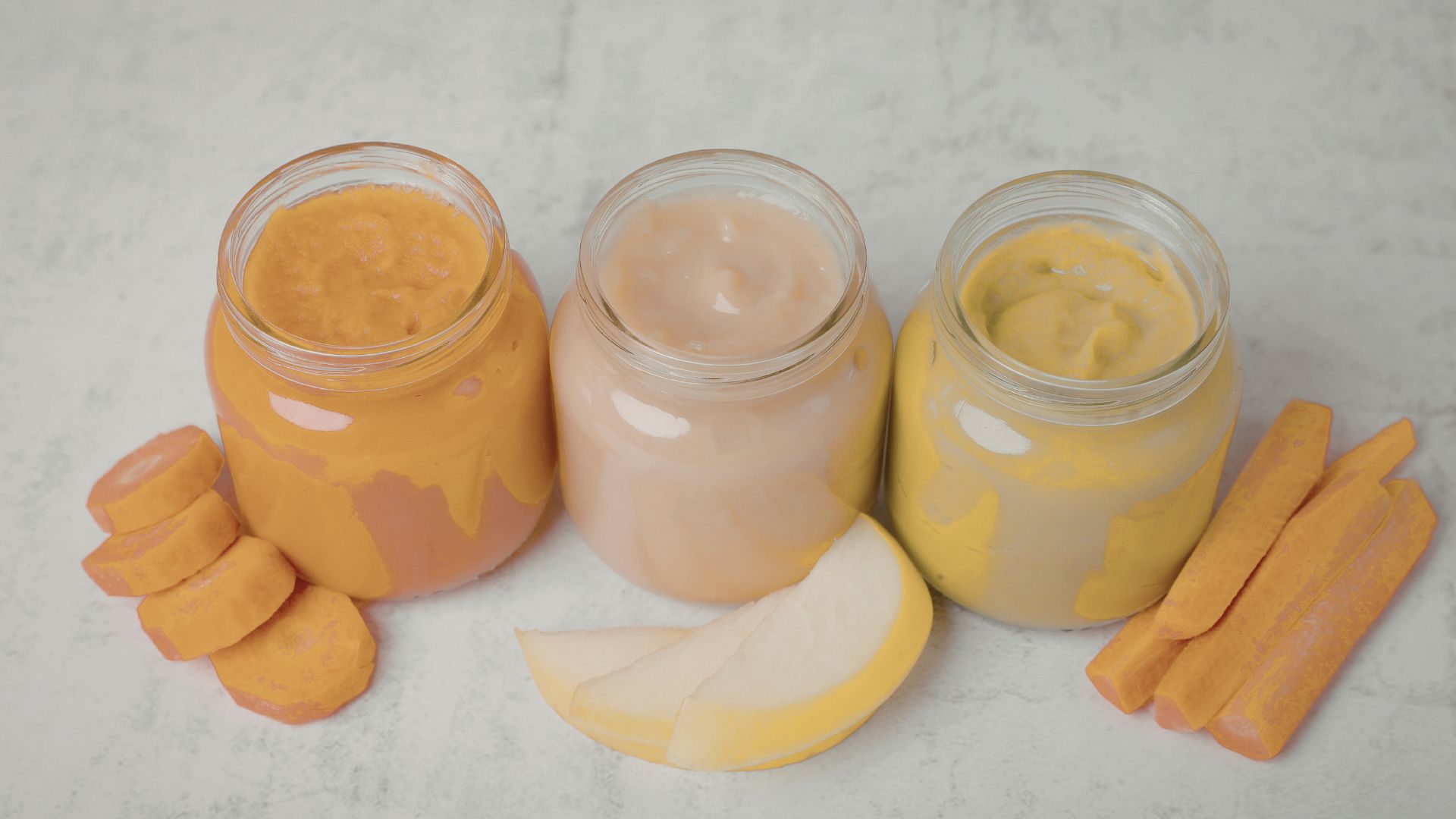
Organic Baby Food Market Companies Analysis
The global Organic Baby Food industry is set for robust expansion, projected to grow from US$ 5.67 Billion in 2024 to US$ 13.86 Billion by 2033, reflecting a strong Compound Annual Growth Rate (CAGR) of 10.45% between 2025 and 2033. This remarkable growth underscores a fundamental shift in parental purchasing behavior, where nutrition, sustainability, and ingredient transparency are now top priorities.
As health awareness increases worldwide, parents are actively seeking baby food products free from synthetic additives, artificial preservatives, GMOs, and pesticide residues. Clean-label certifications, plant-based innovations, and eco-conscious packaging are becoming standard expectations rather than premium differentiators. The combined influence of organized retail, digital commerce, and government support for organic farming continues to strengthen the market’s trajectory.
Market Overview
The Organic Baby Food Market is evolving rapidly as families prioritize safe and nutritionally rich feeding solutions for infants and toddlers. Parents are scrutinizing product labels more closely, preferring foods made from certified organic ingredients and fortified with essential nutrients that support cognitive and physical development.
Key drivers of expansion include:
- Growing concerns about chemical residues in conventional baby foods
- Rising disposable incomes in emerging economies
- Expansion of e-commerce platforms and subscription-based baby food services
- Increasing availability of organic certifications
- Product innovation in plant-based and allergen-free formulations
Manufacturers are responding with innovative packaging formats such as pouches, resealable containers, and ready-to-eat meals that combine convenience with nutrition. Sustainability has also become central, with companies investing in recyclable materials and carbon-conscious production methods.
Download Free Sample Report:https://www.renub.com/request-sample-page.php?gturl=organic-baby-food-market-key-players-analysis-p.php
Leading Companies in the Organic Baby Food Market
Abbott Laboratories
Established: 1888
Headquarters: United States
Revenue (2023): US$ 42.0 Billion
Abbott Laboratories is a global healthcare leader with a strong footprint in nutritional products, including infant nutrition. Its portfolio spans gastroenterology, cardiovascular health, diagnostics, and biosimilars, alongside specialized nutritional solutions.
The company’s infant nutrition segment focuses on science-backed formulations designed to support early childhood development. Abbott distributes products globally through hospitals, pharmacies, government programs, and retail networks. Its diversified healthcare portfolio provides financial stability and sustained R&D investment capabilities, reinforcing its competitive strength in premium baby nutrition.
Kraft Heinz
Established: 2015
Headquarters: United States
Revenue (2023): US$ 25.8 Billion
Kraft Heinz is a major multinational food and beverage manufacturer with a broad brand portfolio. While traditionally known for mainstream packaged foods, the company continues expanding into health-conscious and clean-label segments.
Its global distribution infrastructure spans retail chains, foodservice providers, and institutional buyers. With increasing consumer demand for organic and natural products, Kraft Heinz has opportunities to strengthen its baby food offerings through innovation, reformulation, and acquisition strategies.
Danone SA
Established: 1919
Headquarters: France
Revenue (2023): US$ 29.6 Billion
Danone is a global leader in dairy and early-life nutrition. Its early life nutrition division focuses heavily on infant formula, organic baby foods, and fortified nutritional products.
The company markets products under globally recognized brands and distributes them through retail chains, pharmacies, hospitals, and specialty outlets. Danone’s commitment to sustainability, plant-based innovation, and responsible sourcing supports its leadership in organic baby nutrition worldwide.
Kewpie Corporation
Established: 1919
Headquarters: Japan
Revenue (2023): US$ 3.3 Billion
Kewpie Corporation is a diversified food processing company offering baby food, sauces, spreads, and prepared meals. Its baby nutrition segment emphasizes quality, safety, and nutritional balance.
Operating across Asia and selected international markets, Kewpie leverages strong manufacturing capabilities and supply chain efficiency. The company’s focus on premium quality and localized product development supports steady expansion in organic infant food categories.
Hero Group
Established: 1886
Headquarters: Switzerland
Revenue (2023): US$ 1.2 Billion
Hero Group specializes in baby food, toddler milk, cereal bars, spreads, and wholesome snacks. Its brands are widely recognized for natural and organic positioning.
With operations across Europe, North America, and Asia, Hero continues strengthening its baby food segment through innovation and international expansion. Its portfolio includes well-known organic-focused brands that align closely with evolving consumer preferences.
SWOT Analysis Highlights
The Hain Celestial Group, Inc.
Strength:
Hain Celestial maintains a strong portfolio of natural and organic brands across food and personal care. Brands such as Earth’s Best and Celestial Seasonings are trusted among health-conscious consumers. Its clean-label positioning, innovation focus, and broad distribution network strengthen competitive standing.
Opportunity:
Strategic acquisitions and expansion into emerging markets present significant growth potential. By tailoring products to regional tastes and investing in digital distribution channels, Hain Celestial can further strengthen global market share.
Arla Foods amba
Strength:
Arla’s cooperative structure ensures supply chain stability and high-quality sourcing standards. Its global dairy expertise supports credibility in infant nutrition.
Opportunity:
The increasing demand for sustainable and plant-based dairy alternatives offers Arla a major opportunity to innovate in organic baby dairy and formula segments.
AAK AB
Strength:
AAK AB is recognized for expertise in specialty vegetable fats and customized ingredient solutions for food manufacturers. Its co-development approach strengthens long-term partnerships.
Opportunity:
Expanding into plant-based baby food formulations and enhancing sustainable sourcing practices can unlock new revenue streams in the organic segment.
Latest Industry Developments (2024)
- October 2024: Babylife Organics launched the first Regenerative Organic Certified® baby food line, emphasizing soil regeneration and sustainable farming practices.
- October 2024: Nestlé India introduced “no refined sugar” variants of its Cerelac baby food, responding to consumer concerns about sugar content.
- September 2024: Happy Family Organics unveiled USDA- and EU-approved organic formulas developed in Europe with probiotic and prebiotic blends.
- September 2024: Bobbie expanded USDA Organic-certified infant formulas nationwide through Whole Foods Market, meeting growing demand for premium organic formula.
These developments highlight the industry’s direction toward transparency, nutritional innovation, and regulatory alignment.
Market Forecast & Strategic Coverage
The Organic Baby Food Market analysis includes:
- Historical Trends
- Forecast Analysis
- Market Share Assessment
- Company Profiles & Revenue Analysis
- Sustainability Initiatives
- Product Benchmarking
- SWOT & Strategic Evaluation
Detailed insights are available for leading companies including:
Kraft Heinz, Nestlé S.A., Danone SA, Kewpie Corporation, Hero Group, Arla Foods amba, AAK AB, The Hain Celestial Group, Inc., HiPP GmbH & Co. KG, Bellamy’s Organic, Mead Johnson Nutrition, Sprout Organic Foods, Baby Gourmet Foods, and Once Upon a Farm, LLC.
Report Licensing Options
- Single User License (PDF): US$ 2,990
- Five User License + Excel: US$ 3,490
- Corporate License (Multi User): US$ 3,990
Final Thoughts
The Organic Baby Food Market is undergoing a transformative phase driven by conscious parenting, sustainability commitments, and nutritional innovation. With projected growth from US$ 5.67 Billion in 2024 to US$ 13.86 Billion by 2033 at a CAGR of 10.45%, the sector presents compelling opportunities for manufacturers, investors, and retailers alike.
Companies that prioritize clean-label transparency, environmentally responsible sourcing, and product innovation will likely lead the next decade of growth. As organic nutrition becomes a mainstream expectation rather than a niche preference, the competitive landscape will continue evolving toward premium quality, ethical production, and global accessibility.