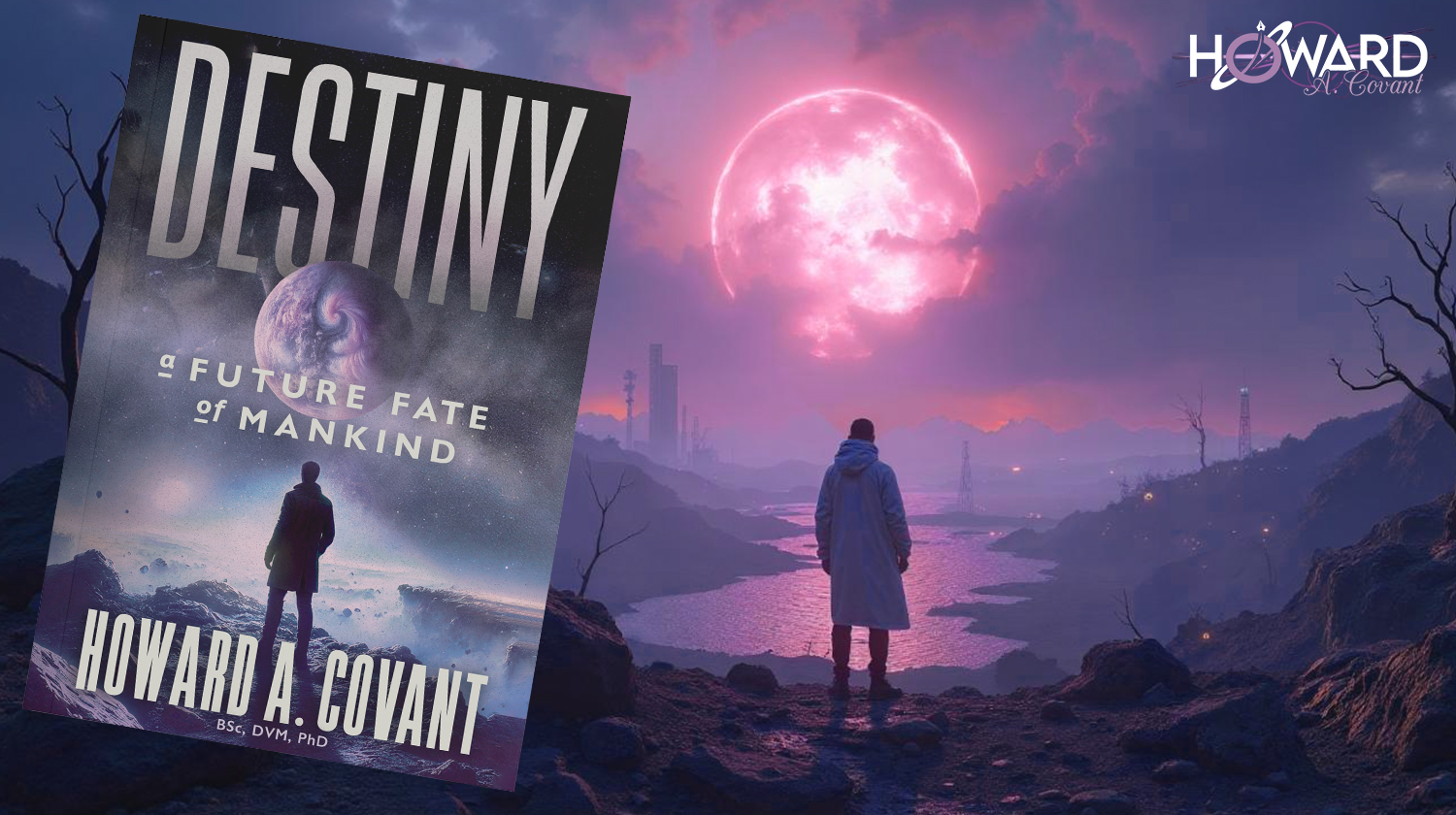
A philosophical science fiction story is more than a tale set in the future; it is a mirror held up to humanity itself. This genre blends imaginative science with deep philosophical inquiry, allowing readers to explore questions about existence, free will, morality, and the nature of reality. Unlike traditional science fiction that focuses purely on technology or space travel, a philosophical science fiction story challenges the mind and soul simultaneously. It invites readers to question who they are, where humanity is headed, and whether progress truly equals evolution.
The power of a philosophical science fiction story lies in its ability to merge speculative ideas with timeless philosophical debates. Through advanced civilizations, artificial intelligence, time manipulation, or alternate realities, these stories explore human consciousness and ethical responsibility. Readers are not only entertained but also encouraged to reflect deeply on their own beliefs and values.
The Core Meaning Behind a Philosophical Science Fiction Story
At its heart, a philosophical science fiction story seeks meaning beyond surface-level storytelling. It asks questions that have puzzled thinkers for centuries, such as whether humans control their destiny or are shaped by forces beyond their understanding. Science becomes the tool, and philosophy becomes the message.
These stories often present futures where technology has surpassed moral wisdom. In such worlds, humanity must face the consequences of its choices. A philosophical science fiction story may depict societies that appear perfect but hide deep ethical flaws, forcing readers to reflect on modern civilization. By placing philosophy inside futuristic settings, the genre makes complex ideas more accessible and emotionally engaging.
How Science Enhances Philosophy in Storytelling
Science plays a crucial role in shaping a philosophical science fiction story. Advanced technologies, space exploration, genetic engineering, and artificial intelligence serve as narrative devices that push philosophical boundaries. These elements allow writers to explore scenarios that are impossible in the real world but deeply relevant to it.
In a philosophical science fiction story, science is not just innovation; it is a question mark. When machines begin to think or time becomes flexible, the definition of humanity itself is challenged. Such narratives examine whether intelligence alone defines life or if emotion, morality, and consciousness are equally important. Through imagined scientific advancements, readers are encouraged to reconsider their understanding of reality.
Human Consciousness and Identity
One of the most common themes in a philosophical science fiction story is human consciousness. These stories explore what it means to be aware and whether consciousness can exist beyond the human body. When minds are uploaded, cloned, or manipulated, identity becomes fragile and uncertain.
A philosophical science fiction story often asks whether a copied mind remains the same person or becomes something entirely new. This exploration pushes readers to question the uniqueness of the self and the soul. By placing these ideas within a science-based framework, the genre bridges the gap between abstract philosophy and emotional storytelling.
Ethics, Morality, and the Future
Ethical dilemmas are central to any philosophical science fiction story. As technology advances, moral boundaries become blurred. Stories often depict futures where survival demands difficult choices, forcing characters to weigh logic against compassion.
Through these narratives, a philosophical science fiction story examines whether moral values evolve or remain constant despite progress. Readers are confronted with questions about responsibility, justice, and sacrifice. The future becomes a testing ground for humanity’s ethical strength, making the genre deeply relevant to present-day concerns.
Why Philosophical Science Fiction Story Resonates With Readers
A philosophical science fiction story resonates because it connects imagination with introspection. Readers are drawn to stories that challenge them intellectually while still offering emotional depth. The genre speaks to those who seek meaning beyond entertainment and wish to explore life’s bigger questions.
In a rapidly changing world, a philosophical science fiction story offers perspective. It allows readers to step outside their reality and view humanity from a broader angle. By imagining possible futures, the genre encourages awareness of present choices and their long-term impact.
Timeless Questions in Futuristic Worlds
What makes a philosophical science fiction story timeless is its focus on universal questions. Regardless of setting or era, themes such as purpose, freedom, and identity remain relevant. Even as technology changes, human curiosity about existence stays constant.
These stories remind readers that progress without wisdom can be dangerous. By presenting futures shaped by today’s decisions, a philosophical science fiction story acts as both warning and inspiration. It shows that the future is not predetermined but shaped by human thought and action.
The Role of Imagination and Thought
Imagination is the gateway through which philosophy enters science fiction. A philosophical science fiction story uses creative freedom to stretch reality and explore ideas without limitation. This imaginative space allows writers and readers alike to test beliefs and challenge assumptions.
Through symbolic storytelling and speculative science, a philosophical science fiction story encourages deep thinking. It transforms abstract philosophy into lived experiences, making complex ideas emotionally powerful and intellectually stimulating.
Conclusion
A philosophical science fiction story stands at the intersection of thought and imagination. It is a genre that entertains while provoking deep reflection on humanity’s past, present, and future. By blending scientific possibility with philosophical inquiry, it explores consciousness, ethics, and destiny in ways no other genre can.
In an age defined by rapid technological growth, the philosophical science fiction story remains more relevant than ever. It reminds readers that progress must be guided by wisdom and that the future of humanity depends not only on innovation but also on understanding who we truly are.