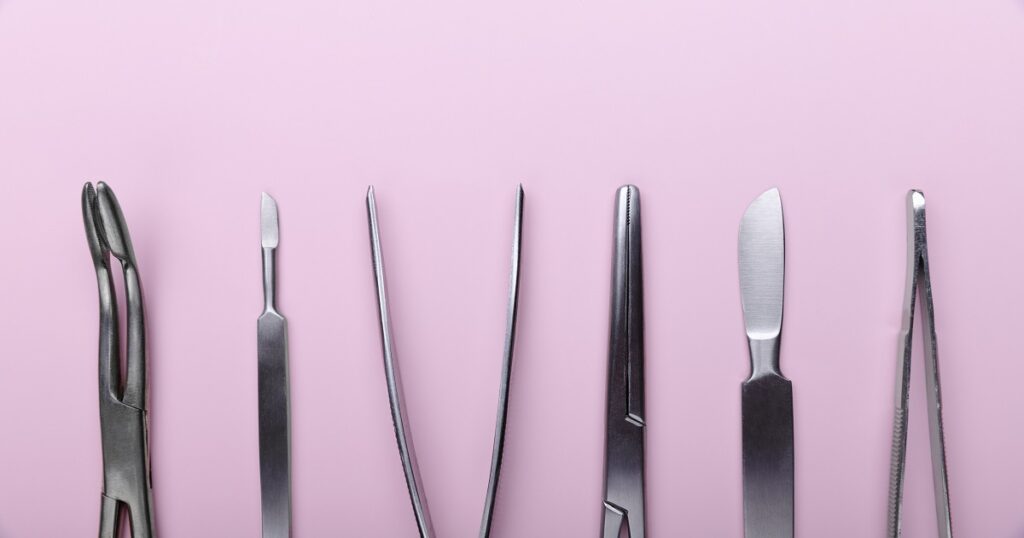
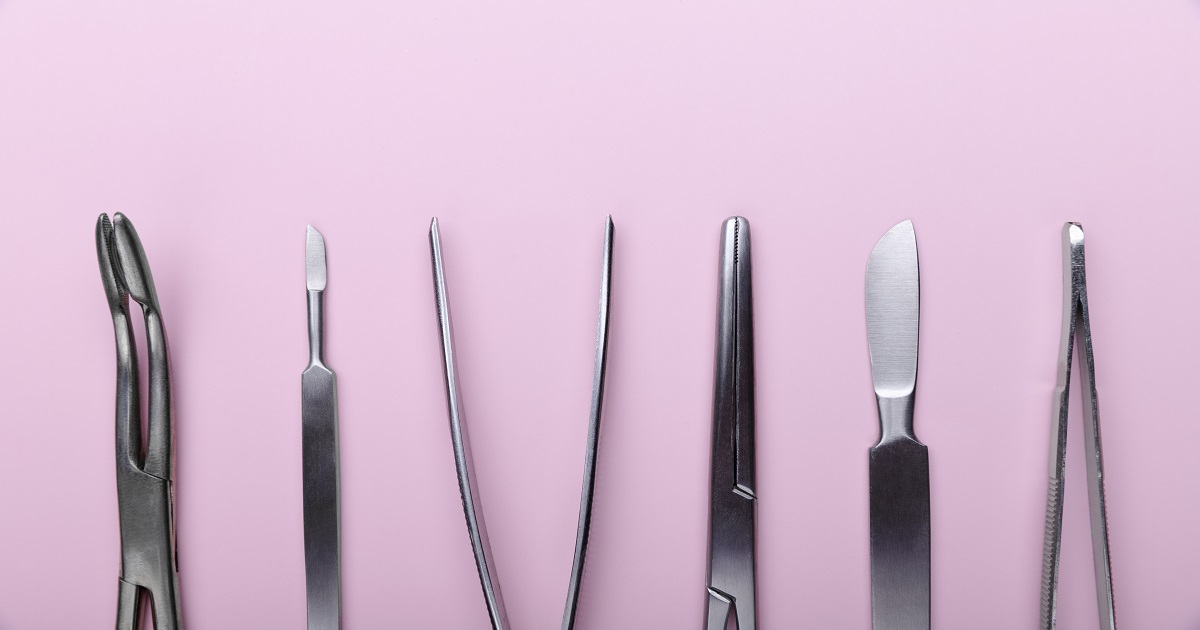
Dental Instruments and Their Role in Modern Dental Care
The basis of any effective dental treatment is Dental Instruments that deliver precision, hygiene, and safety to patients in the contemporary clinical setting. Routine check ups to more intricate restorative procedures, dentists are guided by specialized instruments that are intended to produce controlled performance and predictable outcomes. The development of dentistry has enhanced the need to have sophisticated Dental Tools, which can enhance the efficiency of the work and ensure high standards of sterilization. The selection of the appropriate instruments directly influences the quality of the treatment, comfort of the practitioners, and clinical outcomes on a long-term basis.
Dental Instruments in Clinical Practice
Dental Instruments mean a broad category of hand instruments and equipment used by dental specialists to investigate, diagnose, treat, and take care of mouth health. Every tool is designed to fulfil a certain purpose, be it cutting, gripping, probing, or restoring. Durability, resistance to corrosion, and the ability to be easily sterilized are normally achieved with high quality materials like stainless steel and titanium alloys. The right choice and management of dental tools improve the accuracy of the procedures and decrease the operator fatigue.
Significance of Precision and Ergonomics
Accuracy is extremely important in dentistry as the procedure is conducted on small anatomical features and is not well seen. Balanced weight dental tools that have ergonomic handles enable clinicians to have constant control during extended procedures. Ergonomic design also avoids muscle strain and musculoskeletal disorders in the long term professional health. Precision made tips and edges enhance the effectiveness of treatment and reduce tissue trauma.
Classification of Dental Instruments
Dental Instruments may be categorized with respect to their clinical application, and as a result, it is easier to facilitate the professionals to group them and choose the right ones when conducting surgery. The typical ones are of diagnostic, surgical, restorative, and preventive tools. All categories are crucial in ensuring that there is wholesome dental provision. Being aware of these categories enables the clinics to optimize the management of instruments and workflow.
Diagnostic Dental Instruments
Patient assessment is conducted with the help of diagnostic instruments designed to evaluate the health of the mouth. These appliances aid the dentists in the detection of cavities, gingivitis, and form defects. Proper diagnosis will involve planning of the treatment in time and better patient outcomes. Dental diagnostic instruments are usually light and more aimed at the highest tactile sensitivity.
Surgical Dental Instruments
Surgical dental equipment is applied in extractions, implantation surgeries, and periodontal surgeries. These tools should have the ability to provide power, accuracy, and stability during stress. The standards of manufacturing are high to provide patient safety and procedure success. Surgical instruments are also made to be repetitively sterilized without performance loss.
Restorative Dental Instruments
The restorative instruments assist in the process of fillings, crowns, and bridges. They assist in shaping, placement, and finalizing the restorative materials precisely. The lifespan and the aesthetics of dental restorations depend on the quality of restorative dental instruments. The use of smooth handling and accurate tipping enables clinicians to have natural and functional outcomes.
Materials Used in Dental Instruments
Dental instruments are significantly affected by the materials used to make the instruments in relation to their performance and their lifespan. Stainless steel is still the most widespread one because it is strong and does not corrode. Titanium instruments are also very light and have better durability; therefore, they are used in high-level procedures. Sterilization compatibility and long term maintenance cost are also dependent on the material selection.
Impact of Manufacturing Standards
Quality and safety of the dental instruments are guaranteed by adhering to the manufacturing standards set by a global standard. Constant performance is achieved through precision machining, adequate heat treatment, and quality control. Medical instruments that are produced to certified standards minimize the chances of defects and enhance clinical dependability. Also, high quality manufacturing increases patient trust and professional credibility.
Dental Instrument Sterilization and Maintenance
Sterilization should be effectively conducted to ensure that there is no cross contamination and that the standards of infection control are met. Dental equipment should not wear out after some cleaning processes. Performance maintenance procedures prolong equipment maintenance and maintain functionality. Those clinics that adhere to standardized sterilization procedures keep in line with regulatory requirements and safeguard the health of the patients.
Best Practices Instrument Care
The most important areas of dental instrument care are routine inspection, proper storage, and replacement at the right time. The instruments need to be wiped right after use to avoid the accumulation of debris. Wear and mechanical damage are minimized during sterilization due to proper handling. Properly maintained dental equipment promotes stable clinical practice and economy.
Impact of Dental Instruments on Patient Experience
Dental instruments affect how comfortable and confident the patients feel during treatment. Well balanced sharp instruments minimise the time of procedures and pain. Pragmatic equipment enables dentists to carry out their operations without difficulties that can enhance patient satisfaction. Quality care is also indicated in the establishment of a professional instrument setup in a clinic.
Improving Clinical Efficiency
Quality dental tools enhance business procedures and cut down processes. When the tools are working, the dentists can concentrate on curing as opposed to fixing or replacing. Effective use of instruments helps achieve a greater patient turnover without considering the quality of care. It is a balance that is required in contemporary dental practices.
Future Dental Instruments Future Trends
Developments in dental technology are still being applied on designing and functioning of instruments. Innovations center around the enhancement of ergonomics, accuracy, and material performance. The use of modern dental tools is becoming more digital and less invasive. These advancements are in favor of improved clinical performance and changing patient expectations.
Adapting to Modern Dentistry
Dentists who invest in new tools will be abreast of the industry developments. The utilization of modern tools increases the predictability of the treatment and helps with the advanced processes. Staying abreast with innovation will make clinics stay competitive and in a position to provide high quality dental care.
Conclusion
Dental Instruments are critical elements in a successful dental practice, which help in the precision, safety, and comfort of the patients. Their maintenance, materials, and classification have a direct effect on the clinical outcome and efficiency of operation. Investment in quality dental equipment is a factor that improves professional performance and success in practice in the long term. As the field of dentistry keeps changing, the cornerstone of outstanding oral care has been the instruments of high quality.
FAQs
Q1: What are dental instruments used for?
A: Dental instruments are applied to study, diagnose, cure, and preserve mouth hygiene with precision, safety, and efficiency in dental practice.
Q2: Why is the quality of instruments relevant in dentistry?
A: Quality dental instruments enhance precision, minimize patient discomfort, assist in the standard of sterilization, and improve long-term clinical performance.
Q3: How often should dental instruments be replaced?
A: Replacement depends on usage, maintenance, and wear, but regular inspection helps determine when performance or safety is compromised.
Q4: What materials are best for dental instruments?
A: Stainless steel and titanium are preferred due to durability, corrosion resistance, and compatibility with sterilization processes.
Q5: How do dental instruments affect patient experience
A: Well designed dental instruments reduce treatment time, improve comfort, and increase patient confidence in clinical care.