Tattoos can be powerful forms of self-expression, but sometimes they no longer match who we are. Whether it’s a design you’ve outgrown, a name you no longer identify with, or a color that just doesn’t suit your current style, precision laser technology offers a safe and effective solution for tattoo removal.
Gone are the days of painful, invasive methods that left scarring and irritation. With modern laser tattoo removal, you can enjoy clear, smooth skin without the worry of lasting damage. In this guide, we’ll explore how precision laser technology works, the advanced systems used for tattoo removal, and why it’s the safest way to achieve tattoo-free skin.
Why Choose Precision Laser Technology for Tattoo Removal?
In the past, tattoo removal near me was a complicated, painful, and sometimes dangerous process. Methods like dermabrasion or surgical excision carried risks of scarring, infection, and uneven healing. But precision laser technology has revolutionized the industry by providing a gentler, more effective, and safer way to remove unwanted tattoos.
Key Advantages of Precision Laser Tattoo Removal:
-
Minimal risk of scarring: Laser treatments target only the tattoo ink, sparing the surrounding skin.
-
Quick recovery: The procedure has minimal downtime, and you can resume normal activities soon after treatment.
-
Effective for all skin tones: Modern lasers are designed to work on various skin types, making them versatile and accessible.
-
Fewer sessions: Newer technologies like PicoSure and Q-Switched ND:YAG lasers often require fewer sessions to achieve the desired results.
How Precision Laser Tattoo Removal Works
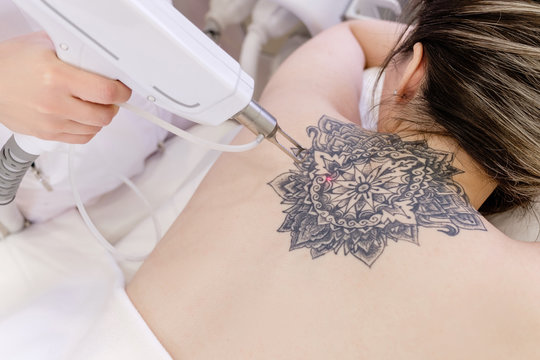
Laser tattoo removal works by using focused light energy to target and break down tattoo ink particles deep within the skin. The laser energy is absorbed by the ink, causing the ink particles to break apart into tiny fragments that can then be naturally eliminated by your body’s immune system.
The Process:
-
Targeting the Ink: Different wavelengths of light are used to target specific ink pigments. The energy from the laser is absorbed by the tattoo ink, breaking it into smaller particles.
-
Elimination of Ink: Once the ink is fragmented, your body’s lymphatic system clears the broken-down particles over time.
-
Gradual Fading: Over a series of treatments, your tattoo gradually fades as the laser continues to break down more ink, leading to full removal or significant lightening of the tattoo.
Leading Precision Laser Technologies for Tattoo Removal
1. PicoSure (Picosecond Laser Technology)
PicoSure is one of the most cutting-edge laser technologies for tattoo removal. Using picosecond pulses (trillionths of a second), it breaks down tattoo ink more efficiently and with less heat than traditional lasers.
How It Works:
-
Picosecond pulses deliver energy in ultra-fast bursts, which causes ink particles to shatter into minuscule fragments that are more easily absorbed and removed by the body.
-
PicoSure works across a broad range of tattoo colors, including difficult shades like green, yellow, and blue.
Why It’s Precise:
-
Fewer sessions: The efficiency of PicoSure means fewer treatment sessions are required to fade or remove tattoos.
-
Minimal heat buildup: The picosecond pulse minimizes thermal damage to the surrounding skin, reducing the risk of scarring.
-
Safe for all skin tones: PicoSure’s technology is safe for both light and dark skin tones, making it one of the most versatile laser options available.
2. Q-Switched ND:YAG Laser
The Q-Switched ND:YAG laser is one of the most commonly used lasers for tattoo removal, and it has been a trusted solution in the industry for years. This laser uses two different wavelengths of light to target different ink colors and skin types.
How It Works:
-
The 532nm wavelength is ideal for removing lighter ink colors like red, yellow, and orange.
-
The 1064nm wavelength is highly effective for darker ink colors like black, blue, and green.
-
High-intensity laser pulses break down the ink particles into smaller fragments, which the body naturally absorbs and removes.
Why It’s Precise:
-
Adjustable wavelengths: The Q-Switched ND:YAG laser can be customized for various skin tones and ink colors, ensuring a personalized treatment approach.
-
Effective on darker skin: The 1064nm wavelength is especially suitable for individuals with darker skin tones, as it minimizes the risk of pigmentation changes.
-
Proven results: The Q-Switched ND:YAG has a long track record of success in tattoo removal, offering reliable and effective results.
3. Alexandrite Laser (Candela GentleMax Pro)
The Alexandrite laser is another popular option for tattoo removal, especially for light to medium skin tones. It is known for its speed and precision, providing excellent results with minimal discomfort.
How It Works:
-
The 755nm wavelength is primarily used to target red, yellow, and orange ink pigments. It is also effective for removing dark tattoos on lighter skin tones.
-
The GentleMax Pro system, which combines Alexandrite and Nd:YAG lasers, allows for precise control over treatment, improving both safety and efficacy.
Why It’s Precise:
-
High-speed treatment: The Alexandrite laser works quickly, allowing for faster treatments and minimal downtime.
-
Ideal for lighter skin: The 755nm wavelength works best on lighter skin tones, making it a preferred choice for fair-skinned patients.
-
Multiple treatments available: The GentleMax Pro system can also be used for other aesthetic treatments, such as hair removal and skin rejuvenation, making it a versatile tool.
What to Expect During and After Precision Laser Tattoo Removal
Before Treatment:
-
Consultation: During your initial consultation, the technician will assess your tattoo and skin type. This helps them choose the most appropriate laser technology for your needs.
-
Numbing Cream: A numbing cream may be applied to the treatment area to minimize discomfort during the procedure.
During Treatment:
-
Laser Application: The technician will move the laser over the tattooed area. Each pulse of the laser will target and break down the tattoo ink.
-
Sensation: Most patients describe the sensation as a snapping or stinging feeling, similar to the sensation of getting the tattoo in the first place. However, the discomfort is usually brief and tolerable.
Aftercare:
-
Redness and Swelling: You may experience mild redness, swelling, or sensitivity immediately after the treatment. This typically subsides within a few hours to a few days.
-
Blistering: Some people experience blistering as the skin heals. This is a normal part of the healing process and helps facilitate ink removal.
-
Healing: After treatment, the skin should be kept clean and moisturized. Use a healing ointment or aloe vera gel to soothe the area and prevent infection.
-
Sun Protection: It’s crucial to avoid direct sun exposure and wear broad-spectrum sunscreen (SPF 30 or higher) on the treated area to avoid pigmentation issues.
How Many Sessions Are Needed?
The number of sessions required depends on several factors, including:
-
Tattoo Size: Larger tattoos typically take longer to fade, requiring more sessions.
-
Ink Color: Dark colors like black and blue are easier to remove, while lighter shades like green and yellow may take more treatments.
-
Skin Type: Lighter skin generally responds better to laser treatments, although modern technologies can be customized for darker skin tones.
Typically, most tattoos require 6-10 sessions spaced about 6-8 weeks apart to achieve optimal results. Over time, the tattoo will gradually fade, becoming lighter with each treatment.
Is Laser Tattoo Removal Painful?
While tattoo removal can cause some discomfort, it is generally less painful than getting the tattoo. Many patients describe the sensation as a series of quick, sharp snaps on the skin, similar to the feeling of getting a tattoo in the first place. Numbing creams are used to minimize discomfort, and some people find the procedure more tolerable than expected.
Conclusion: Precision Laser Tattoo Removal for Clear, Tattoo-Free Skin
If you’re looking for effective, safe, and gentle tattoo removal, precision laser technology is the way to go. With innovations like PicoSure, Q-Switched ND:YAG, and Alexandrite lasers, you can achieve tattoo-free skin with minimal discomfort, fewer sessions, and a low risk of scarring.