
Introduction
Across Tanzania, commercial facilities depend heavily on reliable pumping systems to support daily operations. From hotels and hospitals to manufacturing plants, shopping complexes, and office buildings, pumps play a vital role in ensuring consistent water supply, pressure stability, and system efficiency. When pumps underperform, the consequences are immediate: higher energy bills, frequent maintenance, service disruptions, and dissatisfied end users.
As more businesses invest in modern water systems, performance data from real-world installations has become an essential decision-making tool. Instead of relying only on manufacturer specifications, facility managers now look at how pumps actually perform under local conditions such as power fluctuations, water quality variations, and demand changes. For organizations planning Commercial Pumps & Filters installation, understanding performance trends across Tanzania helps reduce risk and improve long-term value. This article explores pump performance data from commercial installations in Tanzania, highlighting efficiency trends, common challenges, and key insights that businesses can apply to their own systems.
Understanding Pump Performance in Commercial Settings
What Pump Performance Really Means
Pump performance goes beyond simply moving water from one point to another. It includes flow rate consistency, pressure stability, energy efficiency, reliability, and lifespan. In commercial environments, these factors directly influence operational costs and service quality.
A pump that delivers the required flow but consumes excessive power or requires frequent repairs cannot be considered high-performing. Performance must be evaluated holistically, especially in demanding commercial applications.
Why Local Performance Data Matters
Performance data collected from installations in Tanzania reflects real operating conditions, including voltage variations, ambient temperatures, and water quality challenges. These factors often differ from controlled testing environments used by manufacturers.
Local data helps businesses select pump systems that are proven to perform reliably within Tanzanian commercial facilities rather than relying solely on theoretical ratings.
Overview of Commercial Pump Applications in Tanzania
Hospitality and Commercial Buildings
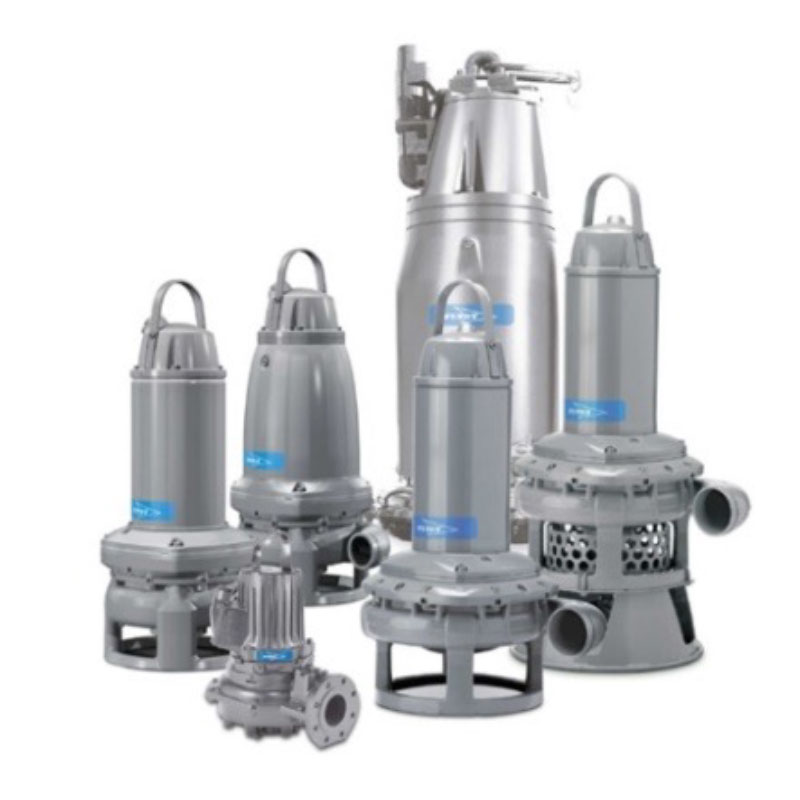
Hotels, shopping centers, and office complexes rely on pumps for water distribution, pressure boosting, and wastewater management. Performance data from these facilities shows that demand fluctuates significantly throughout the day, requiring pumps that can adapt without excessive energy consumption.
Systems that fail to adjust to variable demand often experience premature wear and higher operating costs.
Healthcare and Institutional Facilities
Hospitals and large institutions demand consistent pressure and uninterrupted operation. Performance data indicates that redundancy and reliability are more critical in these environments than maximum flow capacity.
Pumps in healthcare settings are expected to perform continuously with minimal downtime, making efficiency and durability key performance indicators.
Industrial and Processing Facilities
Factories and processing plants place heavy loads on pumping systems. Data from these installations often highlights the impact of continuous operation, higher flow rates, and exposure to challenging water conditions.
In such environments, performance consistency and maintenance intervals are closely monitored to avoid production interruptions.
Key Performance Metrics Observed in Tanzania
Flow Rate Stability
Data from commercial installations shows that flow rate stability is one of the most critical performance indicators. Pumps that maintain consistent flow under varying demand conditions perform better over time and reduce stress on piping systems.
Facilities that use variable-speed pumps tend to achieve higher flow stability compared to fixed-speed systems.
Pressure Consistency
Pressure fluctuations are a common complaint in commercial buildings. Performance data reveals that pressure instability often results from poor system design rather than pump quality alone.
Proper sizing and control systems significantly improve pressure consistency across multiple floors and usage points.
Energy Consumption Patterns
Energy efficiency is a major concern for Tanzanian businesses facing rising power costs. Performance data shows that oversized pumps consume substantially more energy without delivering proportional benefits.
Efficient systems align pump capacity closely with actual demand, resulting in measurable energy savings over time.
Factors Affecting Pump Performance in Tanzania
Power Supply Variations
Voltage fluctuations are a reality in many parts of Tanzania. Performance data indicates that pumps without adequate electrical protection or control systems experience reduced efficiency and higher failure rates.
Facilities that invest in stabilizers and proper motor protection tend to see better long-term performance.
Water Quality and Filtration
Water quality plays a significant role in pump lifespan. Data from commercial installations shows that pumps handling untreated water are more prone to wear, clogging, and corrosion.
Integrating effective filtration improves pump efficiency and reduces maintenance frequency, especially in areas with high sediment or mineral content.
Installation Quality
Performance data consistently highlights installation quality as a decisive factor. Even high-quality pumps underperform when installed incorrectly.
Issues such as improper alignment, inadequate pipe sizing, and poor foundation support frequently appear in underperforming systems.
Performance Trends From Recent Installations
Shift Toward Variable-Speed Technology
Data from newer installations shows a growing adoption of variable-speed pumps. These systems adjust output based on real-time demand, leading to better efficiency and reduced energy consumption.
Facilities using variable-speed technology report smoother operation and lower stress on system components.
Improved Monitoring and Data Tracking
More commercial facilities are implementing basic monitoring tools to track pump performance. Flow meters, pressure sensors, and energy meters provide valuable insights into system behavior.
Facilities that actively monitor performance are quicker to identify inefficiencies and address issues before they escalate.
Longer Service Intervals With Proper Maintenance
Performance records indicate that pumps with structured maintenance schedules experience fewer breakdowns and longer service life. Preventive maintenance consistently outperforms reactive repairs in terms of cost and reliability.
Common Performance Issues Identified
Oversized Pump Systems
One of the most common issues revealed by performance data is oversizing. Many commercial facilities install pumps with far higher capacity than required, assuming it provides safety.
In reality, oversized pumps operate inefficiently, consume more power, and experience increased wear due to frequent cycling.
Inadequate Control Systems
Pumps without proper control systems often struggle to handle demand variations. Data shows that lack of pressure controls or automation leads to unstable performance and higher energy use.
Simple control upgrades often result in immediate performance improvements.
Delayed Maintenance Response
Facilities that delay maintenance until failures occur show significantly lower performance metrics over time. Minor issues such as seal wear or vibration often escalate into major failures when ignored.
Performance data strongly supports proactive maintenance strategies.
Using Performance Data to Improve System Design
Better Pump Selection Decisions
Analyzing performance data helps engineers and facility managers select pumps that match actual operating conditions. This reduces guesswork and improves long-term outcomes.
Data-driven selection results in systems that are more efficient, reliable, and cost-effective.
Optimizing System Layout
Performance data often reveals inefficiencies in system layout, such as excessive pipe lengths or unnecessary bends. Addressing these issues improves overall performance without changing pump models.
System optimization is often as impactful as equipment upgrades.
Supporting Smarter Investment Planning
When businesses understand how pumps perform over time, they can plan upgrades and replacements more strategically. Performance data supports budgeting decisions and reduces unexpected expenses.
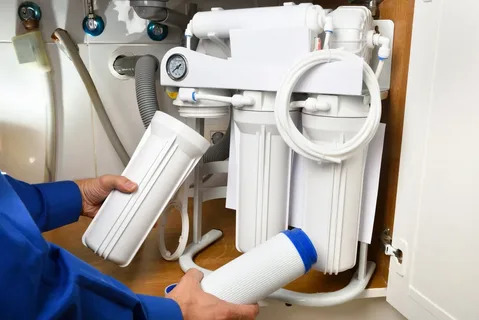
Role of Filtration in Pump Performance
Protecting Internal Components
Data from installations with proper filtration shows significantly lower wear rates on impellers and seals. Filtration prevents abrasive particles from damaging pump internals.
This protection translates directly into better performance and longer service life.
Maintaining Consistent Efficiency
Clean water allows pumps to operate at designed efficiency levels. Systems without adequate filtration often experience gradual performance decline due to internal buildup.
Integrating filtration is a key contributor to sustained pump performance in commercial systems.
Also Read this: Top Social Media Add-Ons UAE Brands Should Consider
Linking Performance Data to Installation Strategy
Performance insights consistently show that success depends on system-level planning rather than isolated equipment choices. Facilities that approach pump systems as integrated solutions achieve better outcomes.
Within the context of Commercial Pumps & Filters installation, performance data reinforces the importance of proper sizing, quality installation, effective filtration, and ongoing monitoring. When these elements work together, pumps deliver reliable service under Tanzanian commercial conditions.
Conclusion
Pump performance data from commercial installations in Tanzania offers valuable lessons for businesses planning or upgrading water systems. Real-world data highlights the importance of correct sizing, quality installation, energy efficiency, and proactive maintenance. It also shows that external factors such as power stability and water quality significantly influence outcomes.
By learning from performance trends and common challenges, commercial facilities can make smarter decisions that reduce operating costs and improve reliability. Pumps are long-term investments, and performance data provides the clarity needed to ensure they deliver consistent value. With the right approach, Tanzanian businesses can build pump systems that support growth, efficiency, and dependable daily operations.




One Response